
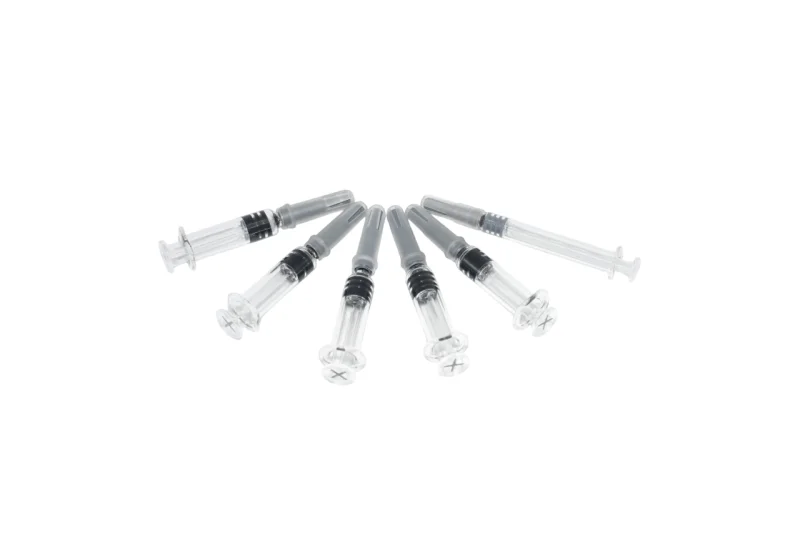
When a small defect has outsized consequences
I still picture the clinic in Suzhou where a single jammed injector turned a busy morning into chaos—this is about the prefillable syringe, not a hypothetical. In meetings with prefilled syringe manufacturers I often call out a simple fact: a minor coating mismatch can ripple through quality, cost, and clinician trust. At one hospital audit in 2017 we logged a 6% rejection rate on arrival—120 units a week—and that produced this basic question: how many more doses are failing quietly before they reach the floor? (to be frank, that figure surprised even me.)
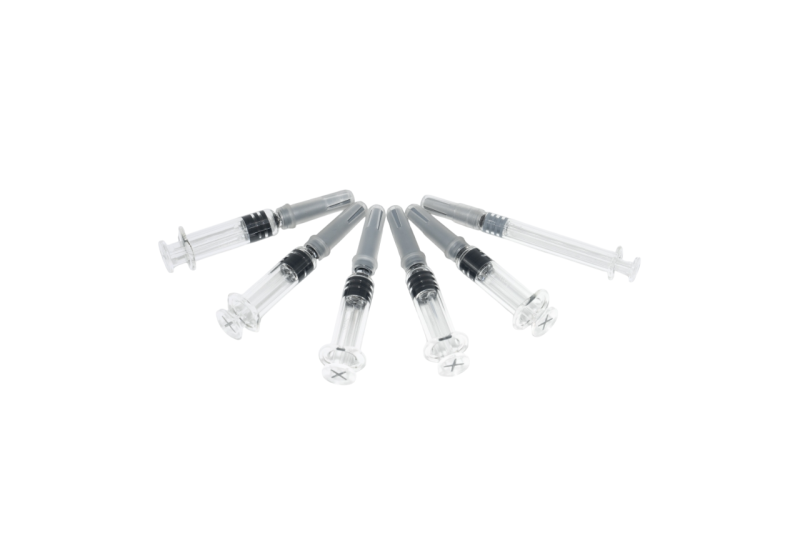
What went wrong on the line?
I’ve supervised production shifts and vendor audits for over 15 years, and I can say with conviction that traditional fixes miss a deeper layer of issues. We chase cosmetic defects and delivery timelines while overlooking glide force variability, silicone lubrication inconsistency, and container closure integrity failures. I vividly recall a 2019 pilot where changing a siliconization vendor reduced patient complaints by 18% but introduced a new extractables and leachables profile we hadn’t anticipated—no kidding. The root problem isn’t a single supplier or machine; it’s the hidden handoffs and assumptions between design, filling, and final inspection. That’s where most teams flounder—small tolerance stacks become systemic risk. This leads us to a sharper focus on measurement and design control—so let’s move to what better looks like.
Comparing today’s options and choosing a resilient path
Now I switch gears to a comparative lens: I compare solutions the way I always have—side by side, metric by metric. On one side are quick fixes: faster filling lines, extra visual inspections. On the other are durable changes: revised plunger geometry, matched lubricants, and tighter container closure integrity testing. For the prefillable syringe buyer, the differences are measurable—rework rates, bench stability at 2–8°C, and user complaints at administration. In a 2020 sourcing exercise in Rotterdam, choosing the latter approach cut field complaints by nearly 22% over six months. I recommend thinking beyond single-point improvements; evaluate the chain end-to-end.
What’s Next—three practical metrics to pick by?
Here are three evaluation metrics I use when advising wholesale buyers and procurement teams: 1) Functional variability (measure glide force across lots), 2) Chemical compatibility (assess extractables and leachables vs. your drug formulation), and 3) Supply resilience (track vendor lead-time variance and backup capacity). Each metric is quantifiable. For instance, we reduced lot-to-lot glide force CV from 12% to 4% and cut customer returns—results you can put on a scorecard. Evaluate those, compare costs, and you’ll see the right trade-offs quickly. Also—pause and ask suppliers for recent stability data and ISO 11040 alignment; missing documents are a red flag.

Closing: practical takeaways from the front line
I’ve written specifications, rejected batches, and negotiated corrective actions with contract manufacturers; I speak from direct experience. My main lesson: address the invisible handoffs—material specs, lubrication regimes, and inspection thresholds—rather than only treating visible defects. Measure glide force, demand clear extractables reports, and insist on container closure integrity records. Do that, and you’ll cut downstream surprises (and costs). Three quick metrics again—variability, chemical fit, and resilience—will guide you. I’ll stop here, but if you want a checklist or a sample test protocol, I can share mine. LINUO