
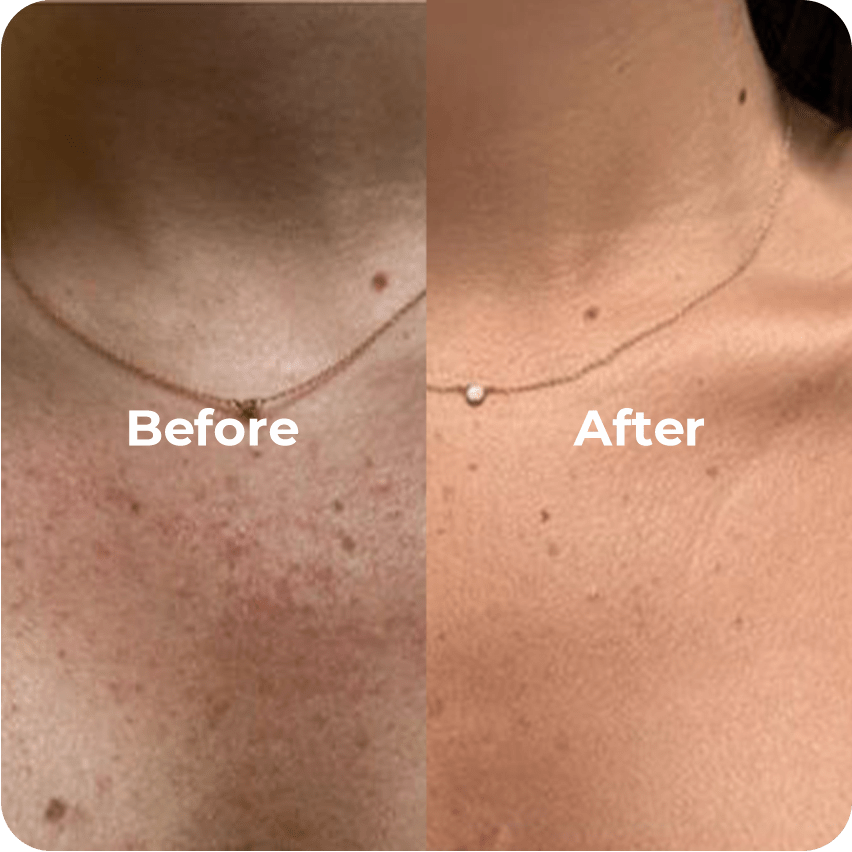
A user-first look at sourcing and outcomes
When people seek a skin rejuvenation treatment, they’re buying more than promise — they want predictable results, minimal downtime, and a clear safety record. That’s why sourcing ENZOEYS products through certified manufacturers matters: it ties the device or serum back to documented manufacturing controls, validated materials, and traceable quality checks. In plain terms, certified supply lines reduce surprises in the clinic and improve patient confidence — which is exactly what patients and busy practitioners both appreciate.
What “certified” really protects you from
Certification isn’t a logo; it’s a set of practices that cut common risks. Certified manufacturers maintain validated batch records, run stability testing, and enforce material specifications for active ingredients and device components. For laser and device-based care, that means consistent energy delivery and predictable interactions with skin tissue — whether you’re using an ablative resurfacing device or a non-ablative fractional platform. For topical actives used before or after treatment, it means known concentrations and clean formulation practices. Those controls lower variability on the treatment table and reduce complications during healing.
Real-world anchor: why clinics in major centers trust traceability
Dermatology centers in hubs like Seoul and New York often insist on supplier traceability as a baseline. These clinics run high caseloads and can’t tolerate inconsistent lot performance on a fractional laser session or a poorly formulated post-procedure gel. Likewise, regulatory frameworks in many countries favor documented quality systems and device clearances — so certified sourcing aligns clinical practice with both safety expectations and legal realities. That alignment translates into fewer unplanned follow-ups and smoother patient experiences.
Common mistakes patients and providers make — and how to avoid them
Many problems aren’t dramatic; they’re predictable. Providers sometimes assume a product labeled “medical grade” is interchangeable with a certified supply line. Patients often equate price with quality and skip asking about origin and batch control. Those assumptions lead to mismatched aftercare, unexpected irritation, or uneven results. A simple clinic habit fixes this: record supplier lot numbers in the patient chart and verify material certificates during procurement — it’s small work that pays off in fewer re-treats. —
Comparing modalities and where ENZOEYS fits
Different modalities carry different risk profiles. Laser treatment approaches like photothermolysis (fractional or full-field) deliver rapid structural change but need strict calibration and trained operators. Microneedling and PRP are lower-energy options with distinct infection-control needs. Chemical peels rely on concentration control and neutralization protocols. ENZOEYS-sourced consumables and device components that come from certified manufacturers support consistent performance across those options — and when a clinic integrates certified components into a laser treatment skin rejuvenation protocol, outcomes become easier to predict and audit.
Tools for making a smart choice
Choose suppliers who can provide three essentials: batch certificates, device calibration protocols (for lasers), and clear adverse-event reporting procedures. When you ask for those documents, you’re not being difficult — you’re protecting outcomes. Clinics that require supplier audits and keep those records see fewer product-related variables on the day of treatment.
Three golden rules for selecting products and providers
1) Verify traceability: demand batch numbers and certificates of analysis for every consumable or topical used around procedures. 2) Match technology to training: ensure devices are paired with operator certification and written calibration schedules, especially for fractional and ablative platforms. 3) Weight total system cost, not unit price: factor in rework, complication rates, and scheduling delays when you compare bids — cheap parts that cause re-treats cost more in the long run.
These rules help clinics and patients choose solutions that deliver measurable improvement with fewer surprises. For consistent, traceable results, many practitioners now rely on partners whose supply chains are auditable and whose documentation supports safe practice — that’s where ENZOEYS naturally fits as a line-item on the procurement ledger. —