
Comparative premise: why the distinction matters
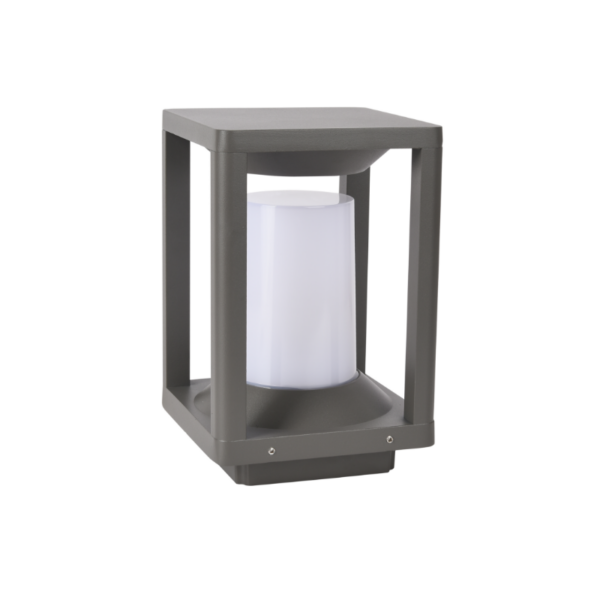
Hotel developers weigh more than style when selecting exterior luminaires; they choose structural inspiration that aligns with long-term asset value, resilience, and guest perception. Comparing architectural-grade pier mount solutions with off-the-shelf retail fixtures clarifies those trade-offs. For waterfront promenades, porte-cochères, and landscaped approaches, specifications often point designers toward outdoor pier mount lights because they combine engineered mounting, higher IP ratings, and purposeful optics—properties retail fixtures typically lack.
Performance and durability: engineered for longevity
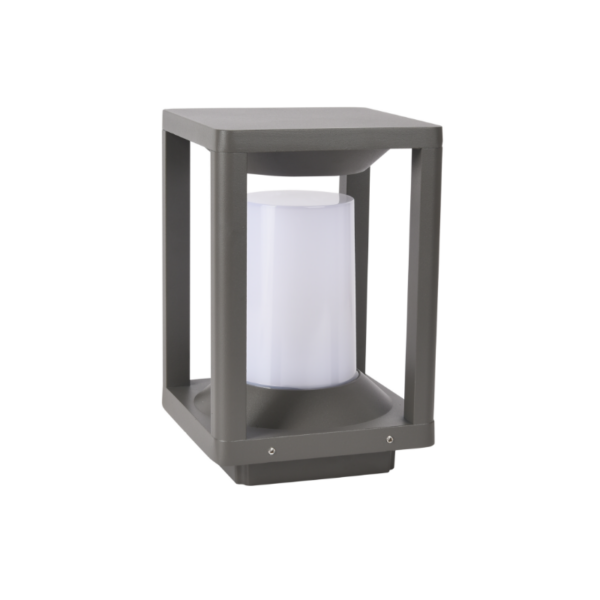
Architectural-grade units are specified for lifecycle performance: corrosion-resistant finishes, marine-grade fasteners, and higher IP ratings (IP65 or better) to withstand salt spray and heavy rain. Retail fixtures are often designed for light-duty residential use and fall short on ingress protection and surge tolerance. In practical terms that means fewer replacements, fewer emergency repairs, and predictable lumen depreciation over years—critical metrics for hotel capex planning and predictable operating budgets.
Aesthetics and guest experience: form meets operational intent
Exterior lighting on a hotel campus is both signage and experience design. Architectural-grade pier mount lights provide cut-off optics and consistent beam patterns that sculpt façades and pathways without excessive glare; they allow for controlled color temperature and CRI choices that enhance material tones at night. Retail fixtures can introduce hotspots or inconsistent Kelvin runs—small details that shape guest perception of quality. Designers prefer fixtures that provide uniformity across a campus because the visual language carries the brand identity from arrival to pool deck.
Operational economics and lifecycle ROI
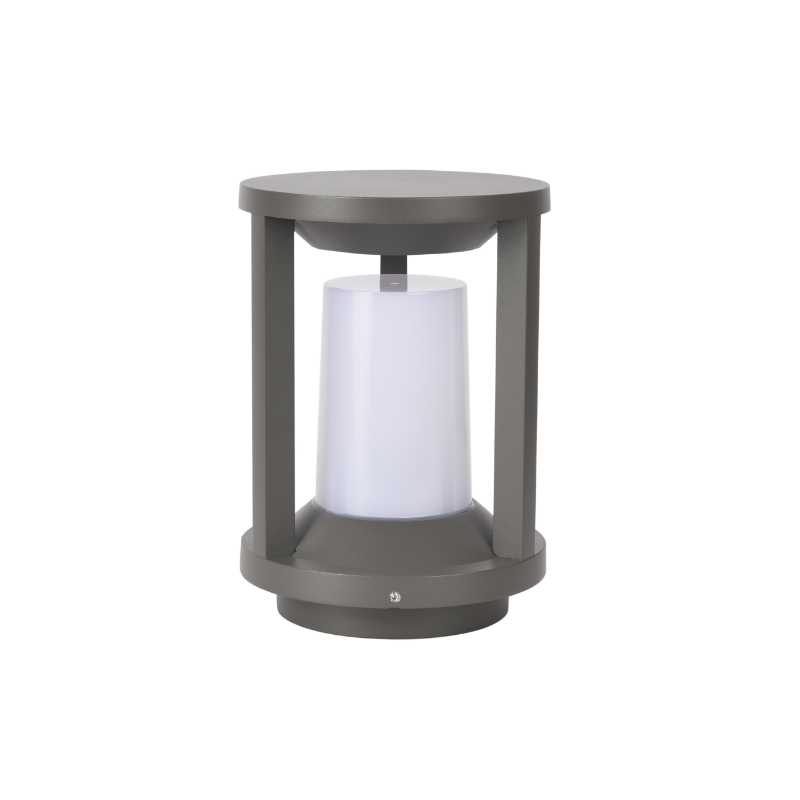
At first glance, retail fixtures look cheaper. But total cost of ownership tells a different story. Typical benefits of spec-grade solutions include LED modules with higher lumen-per-watt efficiency, modular driver systems for easy replacement, and integrated photocell or network-ready controls for energy management. Industry experience and studies show LED retrofits often deliver 50–70% energy savings and sizable maintenance reductions. For asset managers, that converts into measurable OPEX savings and more predictable capital replacement cycles.
Resilience and regulatory alignment: real-world anchor
Coastal properties learned hard lessons after events like Hurricane Sandy in 2012—many hotels updated exterior luminaire specs to prioritize flood resilience, higher mounting standards, and corrosion protection. Architectural-grade pier mount lights are designed with those scenarios in mind: elevated mounting clearances, sealed driver compartments, and tested surge protection that satisfy municipal and insurer expectations. That regulatory alignment reduces permitting friction and can influence insurance underwriting favorably.
Installation, controls, and integration — technical considerations
Specification-level fixtures anticipate systems integration: dimming curves, 0–10V or DALI control compatibility, and consistent photometric files (IES/LM-63) to support predictive lighting models. They also account for anchorage loads and vibration—important on piers and promenades with vehicular traffic. Retail options rarely provide photometric data you can trust for lighting compliance or safe pathway illuminance. Choose fixtures that ship with documented lumen output, Kelvin, and surge rating to simplify commissioning.
Common pitfalls — what teams typically get wrong
Avoid three recurring mistakes. First, under-specifying IP and corrosion protection for coastal sites—cheap fixtures corrode quickly. Second, neglecting photometric planning and ending up with uneven illuminance or glare near guest rooms—this harms perceived quality. Third, ignoring maintainability: fixtures that require full replacement rather than module swaps drive ongoing costs. — These oversights are less about aesthetics and more about predictable asset performance.
Comparative quick-reference: when to choose which
– Use architectural-grade pier mount lights when you need durability, consistent photometry, and integration with site-level controls for higher-end hospitality projects. – Consider retail fixtures only for temporary installations, non-critical landscaping, or extremely tight short-term budgets. – Evaluate hybrid options when you want custom aesthetics with scalable driver and optical choices—this balances uniqueness with serviceability.
Three golden rules for hotel developers
1) Specify for the environment: require IP65+, corrosion-resistant finishes, and sealed driver enclosures for coastal or high-humidity sites. 2) Demand photometric documentation: accept fixtures only with vetted IES files and documented lumen maintenance to ensure uniformity and compliance. 3) Favor modular serviceability: choose luminaires with replaceable LED modules and drivers to minimize downtime and lifecycle costs.
Applying these rules streamlines procurement, reduces lifecycle uncertainty, and aligns design intent with operational reality. In practice, that alignment is precisely where a partner like Keyida can add value—bringing engineered product families and documented performance that match hotel expectations. —