
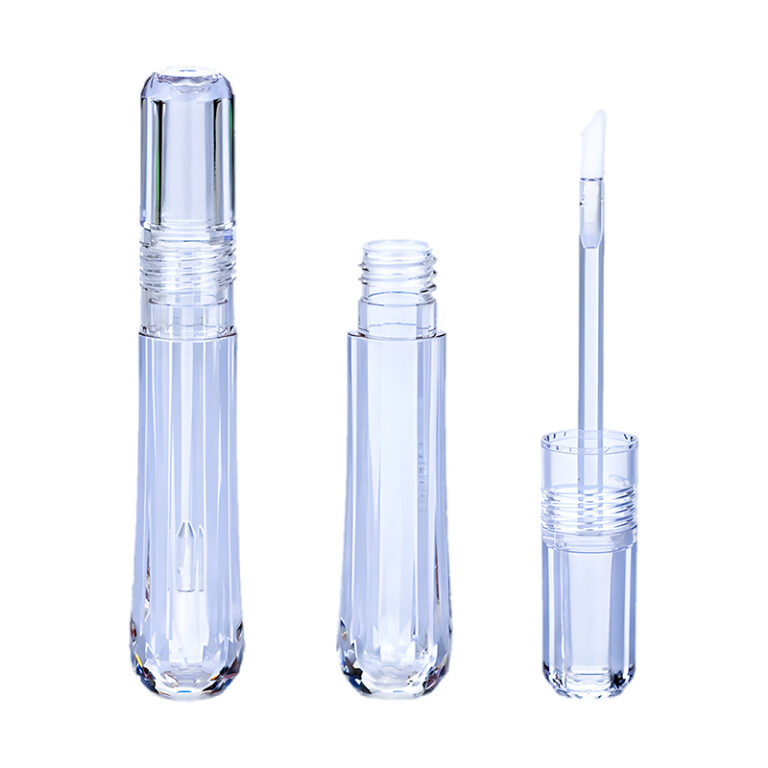
The Opening Move: Choose once, and choose well
Here is a plain truth: your launch date lives or dies by packaging. You stand before your first production run with your chosen lip gloss tube manufacturer on the line, the artwork approved, the shades named. In shops and showrooms of old, merchants learned to trust vessels before wares; we do the same with components today. Industry audits often place packaging faults among the top causes of delays, rework, and returns—tiny flaws that echo across the schedule. So, imagine the scene: a small team, late evening, cartons stacked, a defect discovered at the eleventh hour. Do we accept the slip, or prevent it upstream?
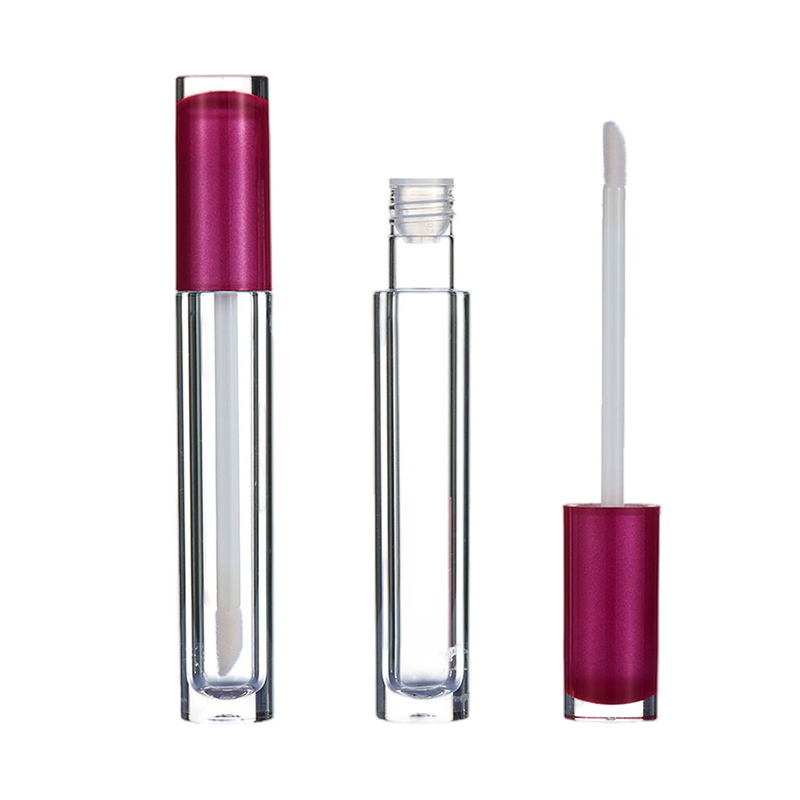
The figures vary by region, but the pattern holds: defects collect at handoff points, not only on the filling line but also during inbound checks. If the seal fails, the gloss bleeds. If the print smears, the brand blurs. And if the cap torque drifts, the shelf test fails (aye, the old lessons still apply). Might there be a steadier way to select, compare, and govern suppliers before those pressures mount? Let us pass from the opening claim to the practical ground.
The Hidden Friction After the Quote
Where do small details go wrong?
When teams compare lip gloss tube manufacturers, the checklist often stops at unit price, lead time, and MOQ. Yet pain gathers in the gaps: mismatched tolerances between neck finish and wiper, ink cure that cracks after transit, and PCR resin that scuffs if the blend and surface energy are off—funny how that works, right? Look, it’s simpler than you think: most post-quote issues trace to tooling control, resin selection, and process windows that were never locked. If the PE or PETG grade is vague, your drop testing will be, too. If silkscreening and hot-stamping lack adhesion specs, your first pallet becomes a lottery.
Traditional fixes come late. Extra QC sampling at arrival helps, but it only catches what already went wrong— and yes, it matters. Better is to push failure upstream. Ask for a capability study on critical dimensions, a wiper compatibility chart by viscosity band, and a seal integrity plan tied to cap torque ranges. These are small setups with large returns. The terms here are basic: injection molding stability, die-line control, print adhesion testing, and accelerated aging. But the discipline is often missing. The difference between a smooth launch and a bumpy one is seldom price alone; it is the clarity of limits around design, materials, and process.
Comparative Edge: New Methods That Change the Choice
What’s Next
Now compare two paths. One partner runs legacy fixtures and manual checks; the other builds in-line vision and digital color management at press. The second also tags batches with SPC data and posts a cap torque histogram for each lot. The principle is simple: measure early, correct fast. A forward-looking shop will tune hot-runner balance, track wiper pull-out force, and validate barrier performance with shorter cycles. An empty lip gloss tube manufacturer using these methods cuts surprises at the filler—because detection moves to the mold, not the warehouse. Your artwork? It benefits from ICC profiles and UV-cured inks that resist smudge. Your sustainability story? It stands on PCR resin ratios proven by scuff tests, not hopes.
Case in point—two similar bids, same price band. The legacy line shipped on time, but rework spiked at incoming QA. The data-driven line shipped with full traceability, and the filler speed held steady. Net effect: fewer holds, lower scrap, calmer teams. Small differences compound, then they define you. The lesson is not dramatic; it is practical. Choose the system, not the slogan. Advisory close-out, as promised: judge suppliers by three metrics. One, process capability on critical dimensions (Cp/Cpk on neck and wiper fit). Two, verified adhesion and seal tests under accelerated aging. Three, traceable SPC for print, torque, and weight through every batch. Steady inputs beget steady launches—plain as daylight. NAVI Packaging