
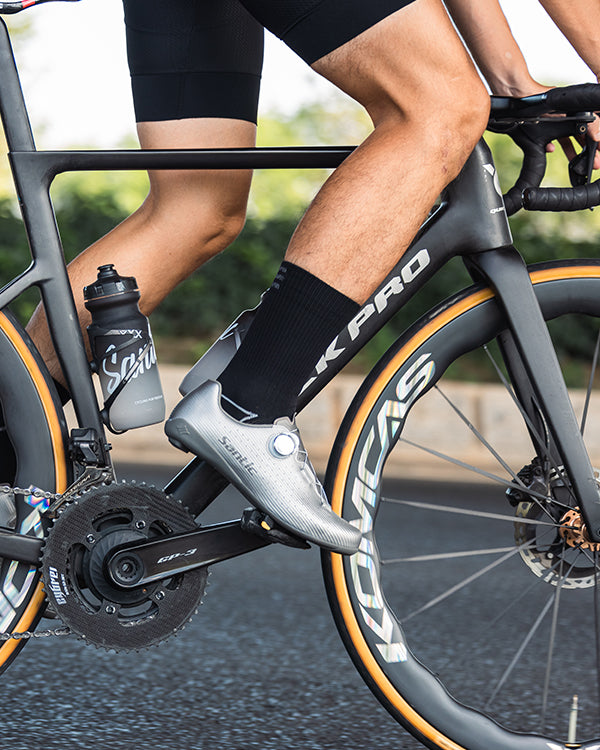
A Deep Dive into the World of Cycling Shoes
Imagine your feet beginning to ache halfway through a ride, leaving you questioning your choice of cycling shoes. Studies show that a significant number of cyclists experience discomfort, yet many overlook the importance of selecting appropriate footwear. So how do you choose cycling shoes that enhance performance while ensuring comfort?

When it comes to lightweight road cycling shoes, cyclists face a myriad of options that may complicate their decision-making process. The technical requirements—such as stiffness, fit, weight, and ventilation—play a crucial role in improving both efficiency and comfort. For instance, lighter shoes can significantly enhance pedaling efficiency, reducing energy loss with each stroke. Yet, despite this understanding, many riders still settle for shoes that merely look good or come with a familiar brand name. This often leads to poor performance and discomfort.
Identifying Hidden Pain Points
One common flaw in traditional cycling shoes is the imbalance between comfort and performance. Too many riders, including myself at times, fall into the trap of thinking that the most expensive model will automatically solve all issues of fit and comfort. What I’ve found, however, is that this approach often overlooks personal foot shape and preferred riding style. If you can relate, you’re not alone. Having a well-fitted shoe can prevent injuries and make your rides more enjoyable, changing your whole cycling experience.

What Makes Lightweight Cycling Shoes Different?
So, what’s next as we look for the right lightweight road cycling shoes? It’s essential to know that the construction materials significantly impact performance. For instance, carbon fiber soles can provide unmatched stiffness, thus translating every ounce of power into your pedals, while breathable mesh fabrics keep your feet cool and dry. The key is not just to look for the lightest shoe but to find a model that aligns with your specific cycling habits and foot dynamics. Additionally, pay attention to the closure system—whether laces, Velcro, or BOA—as each type offers varying degrees of adjustability.
Embracing Future Trends in Cycling Footwear
The world of cycling footwear is evolving rapidly. Today, manufacturers are integrating advanced technologies such as 3D printing and customizable fit systems into their designs. These innovations promise enhanced performance and personalized comfort. When you’re considering lightweight road cycling shoes, keeping an eye on these developments is wise, as they may soon become standard practice.
As we shift our focus to purchasing decisions, it’s vital to evaluate shoes based on three primary metrics: fit, type of closure, and the shoe’s stiffness index. Each of these factors plays an instrumental role in overall satisfaction and riding efficiency. Remember, trying on multiple options can often reveal surprising fits and performance metrics, leading to an informed choice rather than a hasty decision.
Final Thoughts on Choosing Lightweight Cycling Shoes
In conclusion, selecting the right pair of cycling shoes can significantly impact your cycling experience. Take the time to assess your needs, consider the materials and technologies available, and remember that comfort should never be sacrificed for aesthetic appeal. I firmly believe that investing in the right lightweight cycling shoes can actually transform your riding experience, allowing you to explore those extra miles feel fresh when you get off the bike!
For the best options available today, consider exploring innovative brands like Santic, which I believe offer excellent styles tailored for all levels of cyclists.