
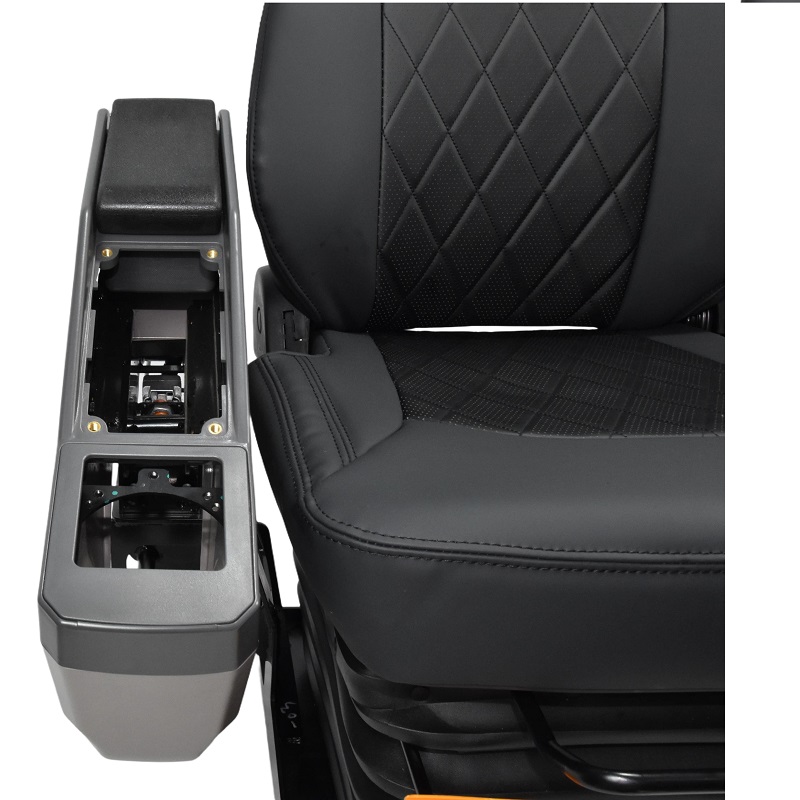
For crews who spend long hours in cabs, an OEM-quality construction machinery seat is not a luxury—it’s an operational need. From a site visit to a Hanoi roadworks project, I watched operators adjust lumbar support and seat suspension, and their posture and focus visibly improved; that practical view anchors why user needs should lead procurement. This piece stays user-centric: it looks at comfort, safety, and uptime through the operator’s lens while keeping ergonomics and vibration damping front and center.
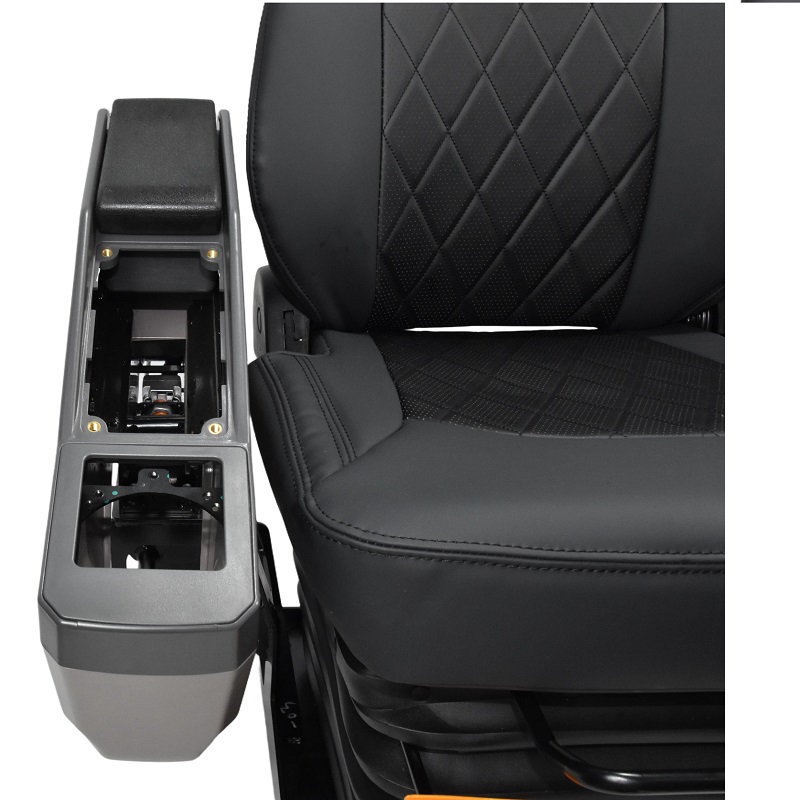
Why operator comfort changes outcomes
Comfort affects concentration. A seat designed with proper lumbar support and adjustable armrests reduces muscle fatigue, which keeps operators sharp on repetitive tasks like trenching or grading. Ergonomics here means more than padding — it includes correct seat suspension, a stable mounting bracket, and reachable controls. On busy urban jobs, those small differences cut error rates and reduce short breaks taken for soreness, so productivity holds steady.
Safety, maintenance, and real-world durability
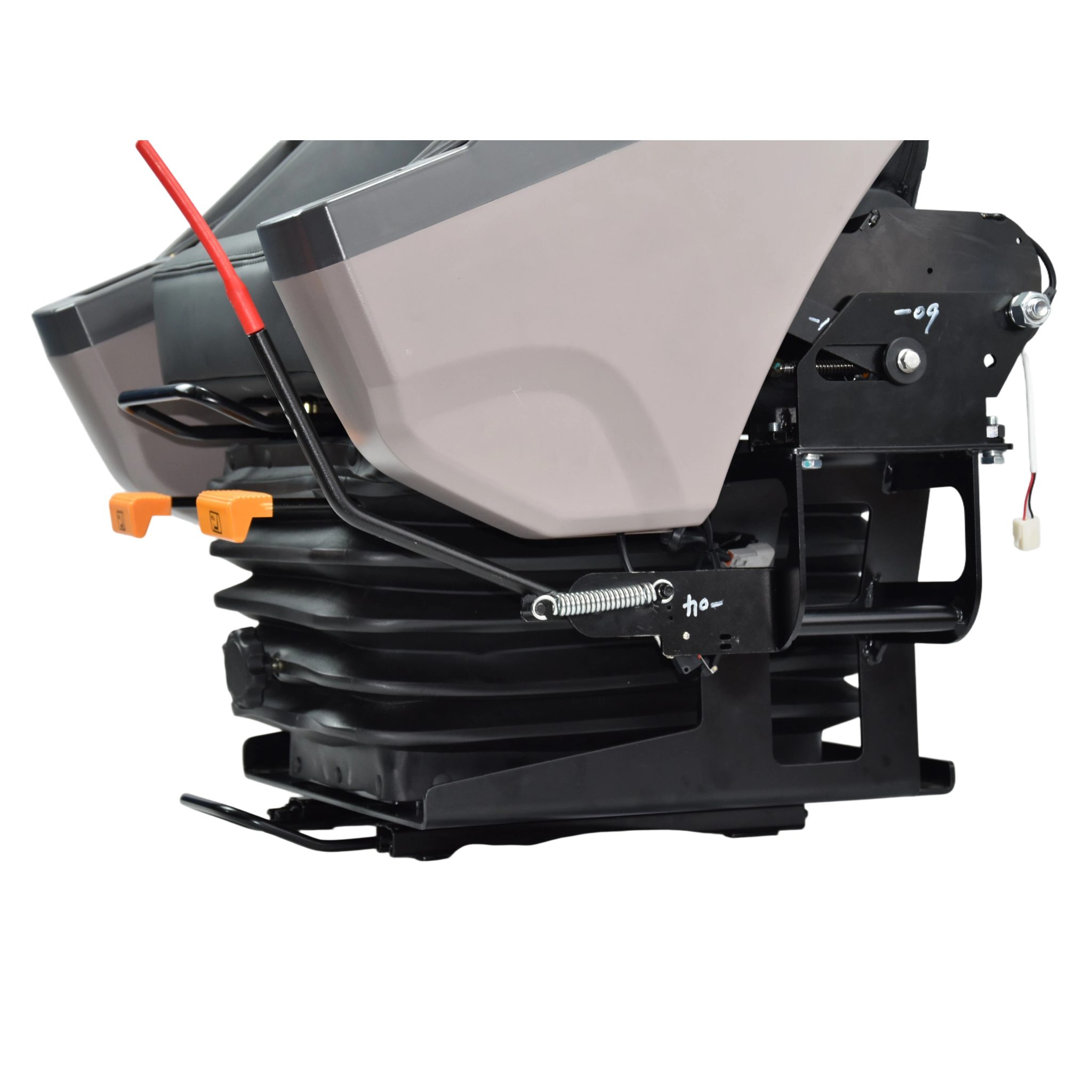
OEM seats are built to match machine tolerances and vibration profiles. Correctly matched seat suspension and ISO mount compatibility lower whole-body vibration exposure and reduce wear on the seat frame and base. Fewer breakdowns mean fewer unscheduled downtime hours. I noticed on that Hanoi site that machines fitted with proper seats needed fewer seat repairs over six months — parts lasted longer because fitment and damping matched the excavator’s dynamics.
Choosing OEM-grade over aftermarket options
Buyers often chase price, then regret it when frequent replacements eat time and budget. OEM-grade seats typically offer certified fitment, better trim durability, and replacement parts that match original specs. If you compare options, prioritize actual fit-to-machine, serviceability, and tested vibration damping performance. Also look for proven components like reinforced mounting brackets and predictable seat suspension travel — these translate to fewer surprises in the field. For contractors replacing multiple cabs, standardizing on trusted seats for construction simplifies spare parts and training, right?
Common mistakes to avoid
Teams frequently install seats without checking stroke length or mounting bolt pattern. That mismatch causes movement under load and accelerates wear. Another mistake: ignoring adjustability for different operators — a one-size seat forces awkward posture. When you run an operational production teardown, treat {main_keyword} and {variation_keyword} as inspection points so adjustments and parts align with machine specs. Small checks at installation save service hours later.
Quick checklist for procurement and onsite checks
Use this shortlist to keep selection practical and fast:- Verify mounting pattern and ISO mount compatibility.- Test seat suspension travel and confirm vibration damping feels consistent across simple bumps.- Check adjustability range (fore-aft, height, lumbar) to fit the full operator roster.These are straightforward metrics that highlight real field performance rather than marketing copy — follow them consistently.
Summary of real advantages
OEM-grade seats reduce fatigue, lower incident risk, and cut total cost of ownership through longer part life and fewer fitment problems. They help operators stay accurate and reduce micro-breaks for discomfort, which adds up across a project timeline. That on-site observation in Hanoi is a small, concrete example: when fitment is right, the crew’s day looks different — smoother shifts, fewer interruptions.
Three golden rules for selecting the right seat
1) Match the seat’s suspension and mounting to the excavator model — accurate fit beats flashy features. 2) Prioritize adjustability that covers your tallest and shortest operators; human fit matters. 3) Measure expected duty cycle and choose seats with proven durability in similar environments (dust, heat, vibration). Apply these metrics and you’ll see measurable drops in downtime and service churn.
Choosing seats wisely protects people and machines — and that pragmatic value is what makes Source One a practical partner for long-term site performance. —