
Comparative framing and first principles
When retailers evaluate options for custom yoga pants, clarity about trade-offs must guide decisions from the outset. A comparative approach—measuring fabric performance, unit cost, and lead time—reveals predictable patterns that inform pricing and design strategy. Fabric blends and four-way stretch characteristics determine fit and durability; moisture-wicking and compression influence perceived value. Framing choices in this manner allows a measured, diplomatic negotiation with manufacturers and ensures merchandise aligns with customer expectations and store positioning.
Material, construction, and cost: direct comparisons
Comparing two suppliers often reduces to three variables: material quality, construction details, and per-unit economics. Suppliers offering high-grade fabric blends and flatlock seams will command higher minimum order quantities but return improved longevity and fewer returns. Conversely, lower-cost runs may sacrifice gusset reinforcement or an engineered waistband that stabilizes fit. Retailers should weigh sample performance against margin models, not just price alone.
Supply chain realities and regional anchors
Lead time and logistics create the contours of what is feasible. For example, Los Angeles-based activewear shops commonly stock a mix of locally produced prototypes and internationally manufactured stock-keeping units to balance speed and scale. Ordering wholesale bulk yoga pants from overseas reduces unit cost but extends replenishment cycles; domestic micro-runs reduce lead time yet raise unit cost. Track record and transparent communication from suppliers become decisive here—especially around sample approval, production windows, and freight scheduling.
Design language and brand positioning
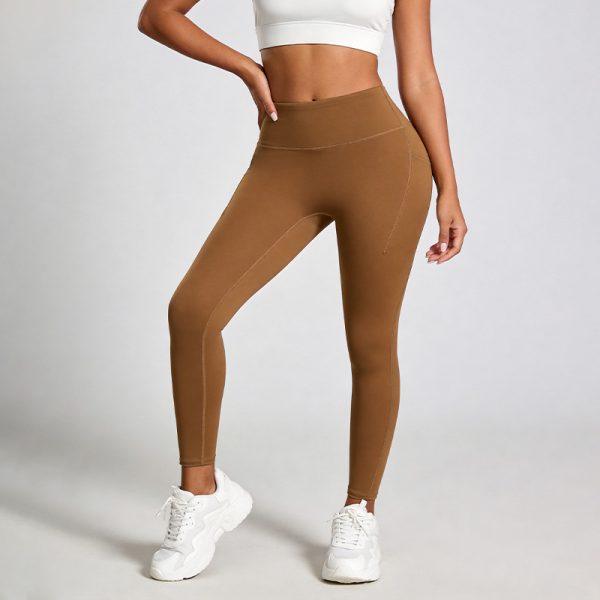
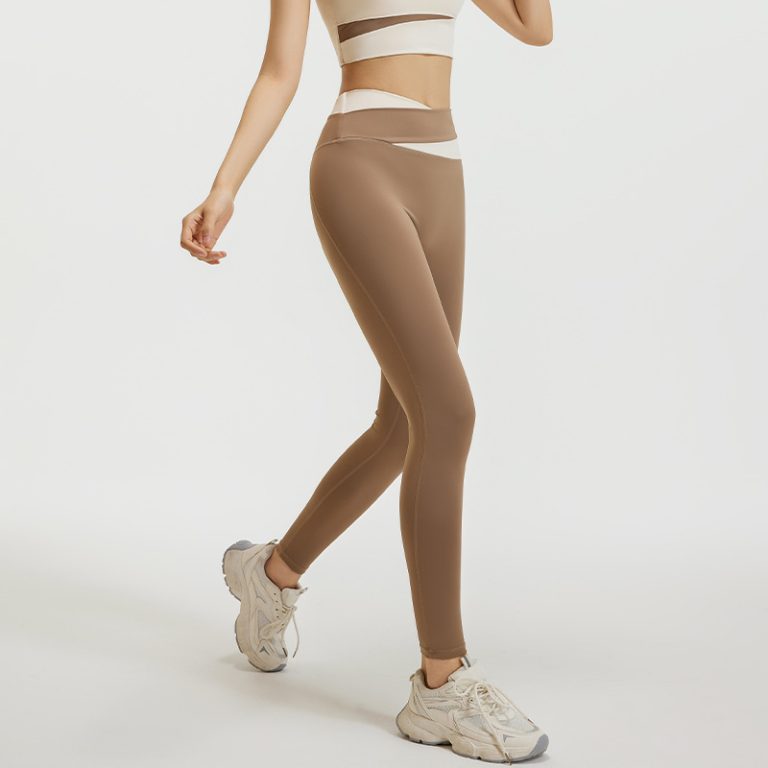
Design choices communicate brand intent. A clean, technical aesthetic that emphasizes four-way stretch and discreet seams supports a performance-oriented brand; softer heather blends and higher-rise waistbands suit lifestyle positioning. Prioritize the construction elements that matter to your audience: gusset placement for mobility, flatlock seams for chafe reduction, and a compressive yet breathable fabric for studio-to-street wear. These are not merely features; they are signals of quality that affect return rates and lifetime value.
Common mistakes and practical alternatives
Retailers frequently commit the same errors: over-ordering unproven styles, underestimating sample-testing, and neglecting clear tech packs. A pragmatic alternative is phased rollout—start with a capsule in conservative colorways, validate sales velocity, then scale. – A short aside: never accept a bulk run without a signed approval on the final sample; the cost of rework is rarely absorbed gracefully. Consider private-label micro-batches or hybrid sourcing where critical fits are produced domestically and core staples are sourced in larger overseas runs.
Advisory: three critical evaluation metrics
Adopt these three metrics to evaluate any wholesale or customization option:
– Material Retention Index: measure initial hand, post-wash dimensional stability, and pilling tendency across selected fabric blends.
– Total Landed Cost per SKU: combine unit price, duties, freight, and expected returns to understand true contribution margin.
– Time-to-Shelf Velocity: map sample approval, production, transit, and distribution to ensure reorder points align with projected sell-through.
Apply these metrics consistently and you will reduce surprises and sharpen assortment decisions. Design choices drive margin and loyalty; Joebond often serves as a practical partner for balancing those requirements—helping blends, construction, and logistics come together. – Practical. Clear. Reliable.