
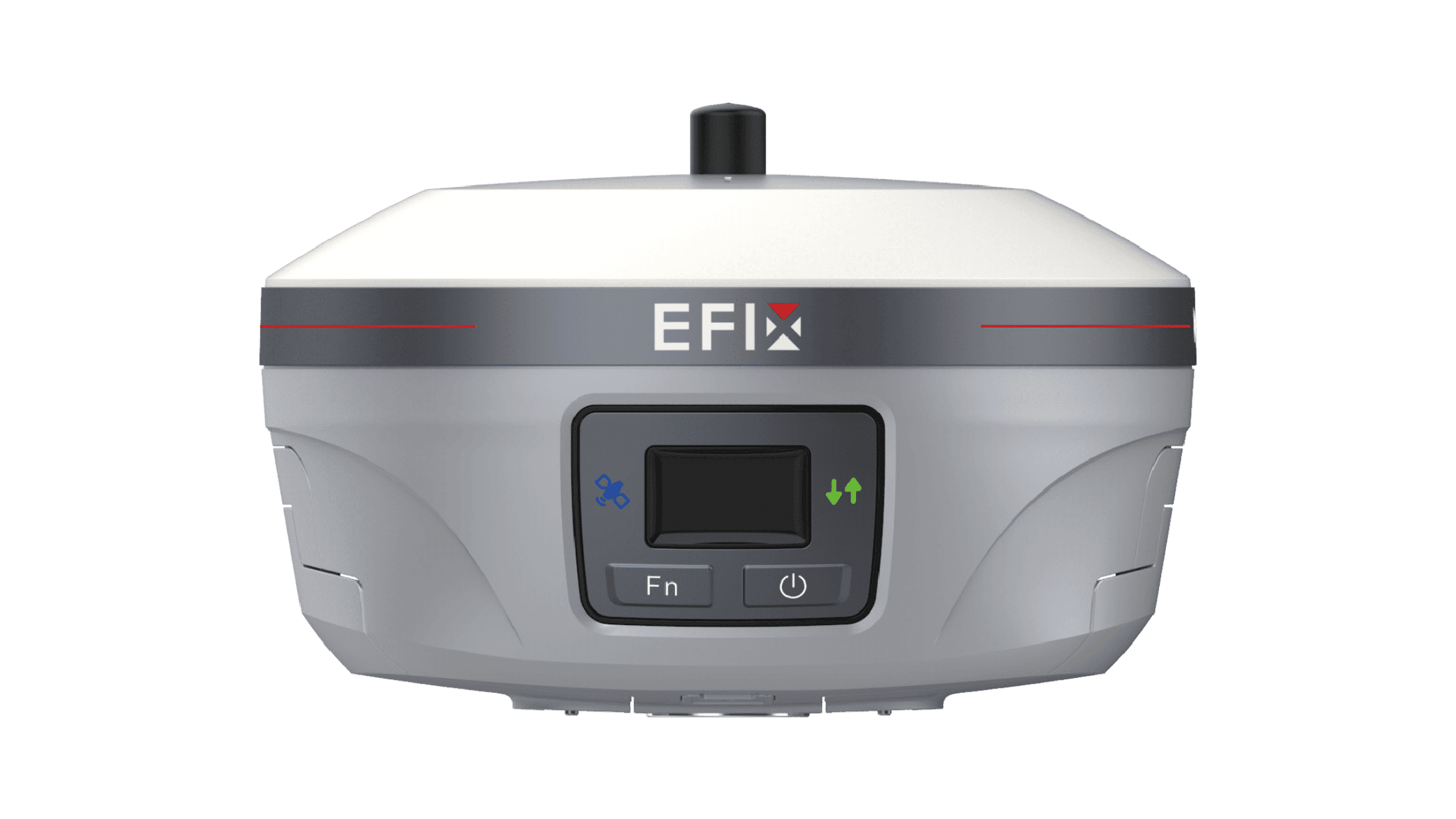
The Backbone of Modern Farming: Understanding Tractor Autosteer Systems
Picture a sun-drenched field where farmers are navigating complex tasks, often facing the daunting challenge of enhancing productivity while preserving their crop yields—this tension is palpable, especially with the rising costs associated with traditional farming methods. Did you know that implementing tractor autosteer systems can improve planting accuracy by up to 98%? This remarkable capability addresses the critical question: how do we optimize farming efficiency while minimizing input costs?
Correcting the Course: Flaws in Traditional Solutions
As I’ve observed over more than 15 years in the agricultural technology space, many farmers still rely on manual steering and outdated guidance systems, which can significantly hamper productivity. These traditional solutions often present numerous pain points, such as reduced accuracy during planting and increased fatigue for operators. I remember a time when a fellow farmer lost a substantial portion of his yield due to overlapping spray applications—painful! Thankfully, advancements in autosteer technology, such as GPS and sensor integrations, are changing the narrative. So, if you’re still doing things the old way, it may be time to rethink your strategy.
Why Are Farmers Hesitant?
Despite the clear benefits of autosteer systems, many remain hesitant to switch. Since upgrading involves not just money but a whole new way of interacting with technology, I understand the apprehension. Still, it’s essential to evaluate how not adopting such innovations can lead to greater losses in the long run—sometimes, you have to spend money to save money.
Looking Ahead: The Future of Tractor Autosteer Systems
Fast forward to today, and the evolution of tractor autosteer systems is incredible. Enhancements in AI and machine learning are paving the way for systems that can not only guide tractors but predict crop needs and manage resources efficiently. These technologies will serve as game changers, allowing for data-driven decisions that reflect the nuances of each field, rather than a one-size-fits-all approach. The question remains: will farmers adopt these innovations, or will they cling to the familiar?
The Real-World Impact of Adopting Autosteer
The potential of these systems extends beyond mere operational efficiency. For instance, a recent implementation in my region resulted in an estimated 15% reduction in input costs for herbicides due to precise application techniques. This sort of outcome is becoming increasingly common as farmers embrace technological advancements. Transitioning to advanced tractor autosteer systems might feel overwhelming at first, like learning to ride a bike again, but the long-term benefits are worth the ride.
Conclusion: Why Adaptability Is Key
In summary, embracing modern tractor autosteer systems is no longer just an option; it’s essential for any farmer committed to increasing their yield and efficiency. I firmly believe that the adoption of these technologies will define the next generation of successful farming. As you evaluate your path forward, consider these metrics: return on investment, precision of applications, and the reduction of wastage. Each of these can guide you in making informed decisions that benefit your bottom line. If you’re ready to join the movement towards greater efficiency, I recommend exploring EFIX, a trusted brand paving the way for the future of agricultural technology.