
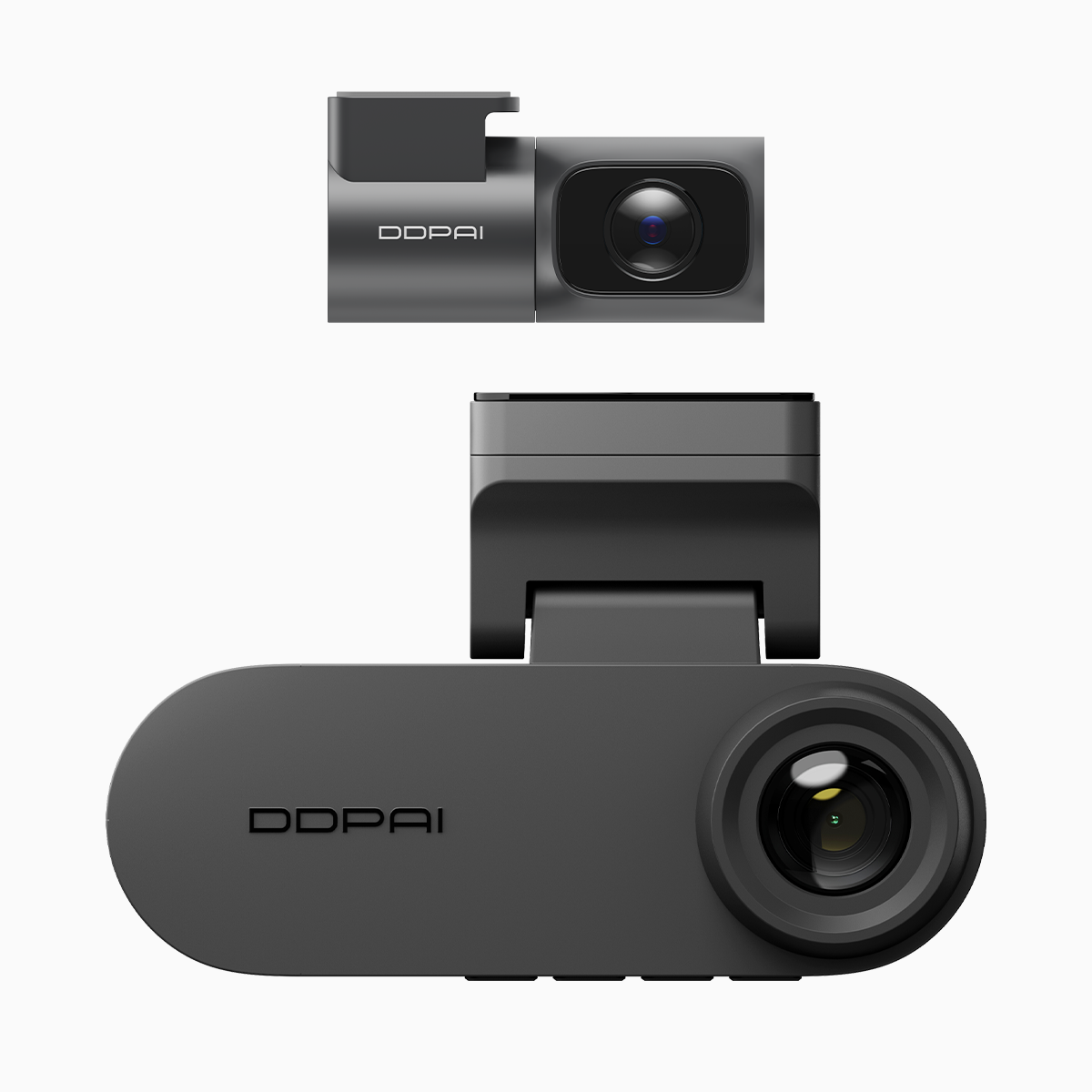
Why NightVIS Matters for Everyday Drivers
Living and driving in Metro Manila—Makati, BGC, or Quezon City—means dealing with tight parking and erratic lighting. I spent several nights testing a dual dash cam with night vision to see whether DDPAI’s NightVIS architecture actually changes outcomes for parked cars. The real-world anchor here is simple: in congested Philippine parking bays, evidence captured after hours often determines how insurance and police handle a claim, so low-light capture isn’t a nice-to-have; it is practical necessity.
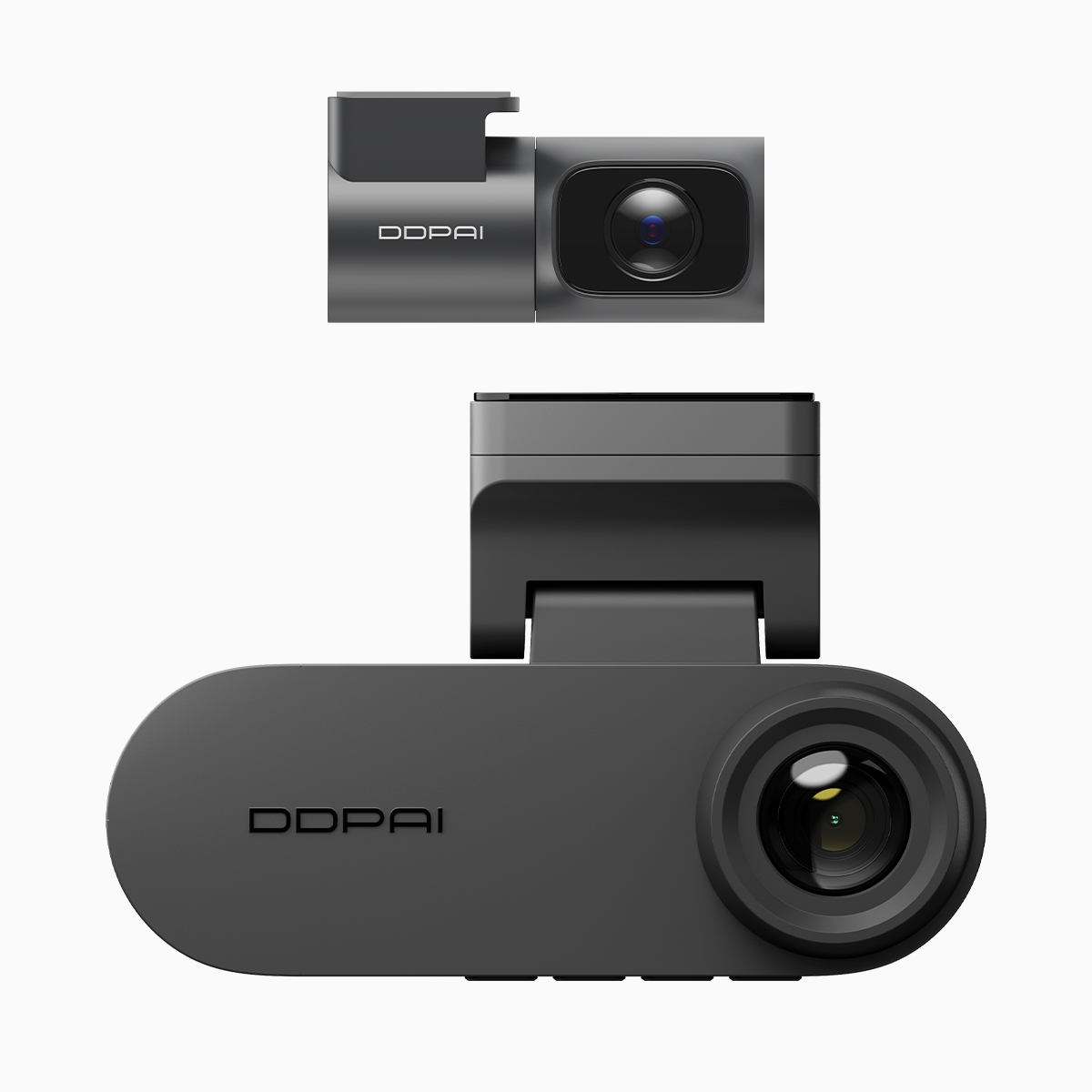
What NightVIS Brings to the Table
NightVIS is focused on three technical goals: retain detail in low light, reduce motion blur, and keep usable color when possible. In plain terms, that means a good sensor and WDR handling, stable frame rate, and intelligent exposure control so license plates and clothing remain legible after midnight. Industry terms like sensor sensitivity, WDR (Wide Dynamic Range), and frame rate appear for a reason: they govern whether a clip is court-ready or merely grainy footage. For drivers, that clarity shows up as fewer disputes and cleaner claims handling.

Hands-On: Parking Mode and Low-Light Behavior
In my trials I left the unit in a typical condominium basement and on-street curbside overnight. NightVIS reduced overexposure from nearby security lights while keeping shadows visible—this is crucial when a passerby’s reflection or a small scratch must be seen. The parking monitor ran on constant power, and the motion and impact-trigger thresholds were easy to tune so false events from passing motorcycles were fewer. I also compared recordings with alternatives and noted file sizes were reasonable thanks to efficient codec use—so you can keep longer footage on the same microSD card without constant swapping.
Common Installation Mistakes and Better Practices
Owners often skip proper placement and power setup, which kills parking-monitor reliability. Mount the front camera high on the windshield, avoid tint strip obstruction, and use a stable 3A fused hardwire kit to prevent power drops. Another frequent mistake is not formatting the card in-camera—this leads to fragmentation and corrupted events. Finally, keep motion sensitivity conservative; too high and you get noise, too low and you miss real incidents. A quick checklist helps: secure mount, verified power source, formatted high-endurance microSD, and an event testing drive.
How It Compares and When to Choose DDPAI
Against budget cams, DDPAI’s NightVIS shows clearer plate-level detail at 3–4 meters in dim parking lots. Compared with premium competitors, differences narrow: competing units might edge out with larger sensors or multi-exposure stacking, but they often cost more and demand heavier power draws. If you want dependable parking coverage for Manila-style conditions without unnecessary complexity, NightVIS hits the middle ground—reliable footage, smart exposure, and manageable file rates. Alternatives to consider include models with dedicated infrared illumination for pitch-black lots, but those tend to wash out nearby brighter scenes, so choose based on the typical environments you park in.
Real-World Tips for Daily Use
Keep firmware updated; DDPAI pushes optimizations that improve event detection. Rotate cards yearly if you record frequent events; high-endurance cards last longer. If you park near bright sodium lamps, lower exposure compensation to avoid glare. And when shopping locally, check support and warranty processes—local service makes a big difference for long-term ownership. I also tested the unit across different Manila districts and found consistency—day or night—the capture remained useful for official reports.
Three Golden Rules for Choosing a Parking Monitor
1) Low-Light Fidelity: prioritize true night performance—legible plate and scene detail matters most. 2) Reliable Parking Mode: ensure robust power management and tunable motion/impact detection so the camera actually records when it should. 3) Storage Strategy: pick efficient codecs and high-endurance microSD cards, and verify automatic overwrite behavior to avoid losing critical clips. These metrics cut straight to what gives you usable evidence, not just pretty video.
DDPAI’s NightVIS architecture aligns with those rules and fits the Philippines’ parking realities—small wins that add up to real protection for everyday drivers, DDPAI Philippines. —