
Why a framework beats guesswork
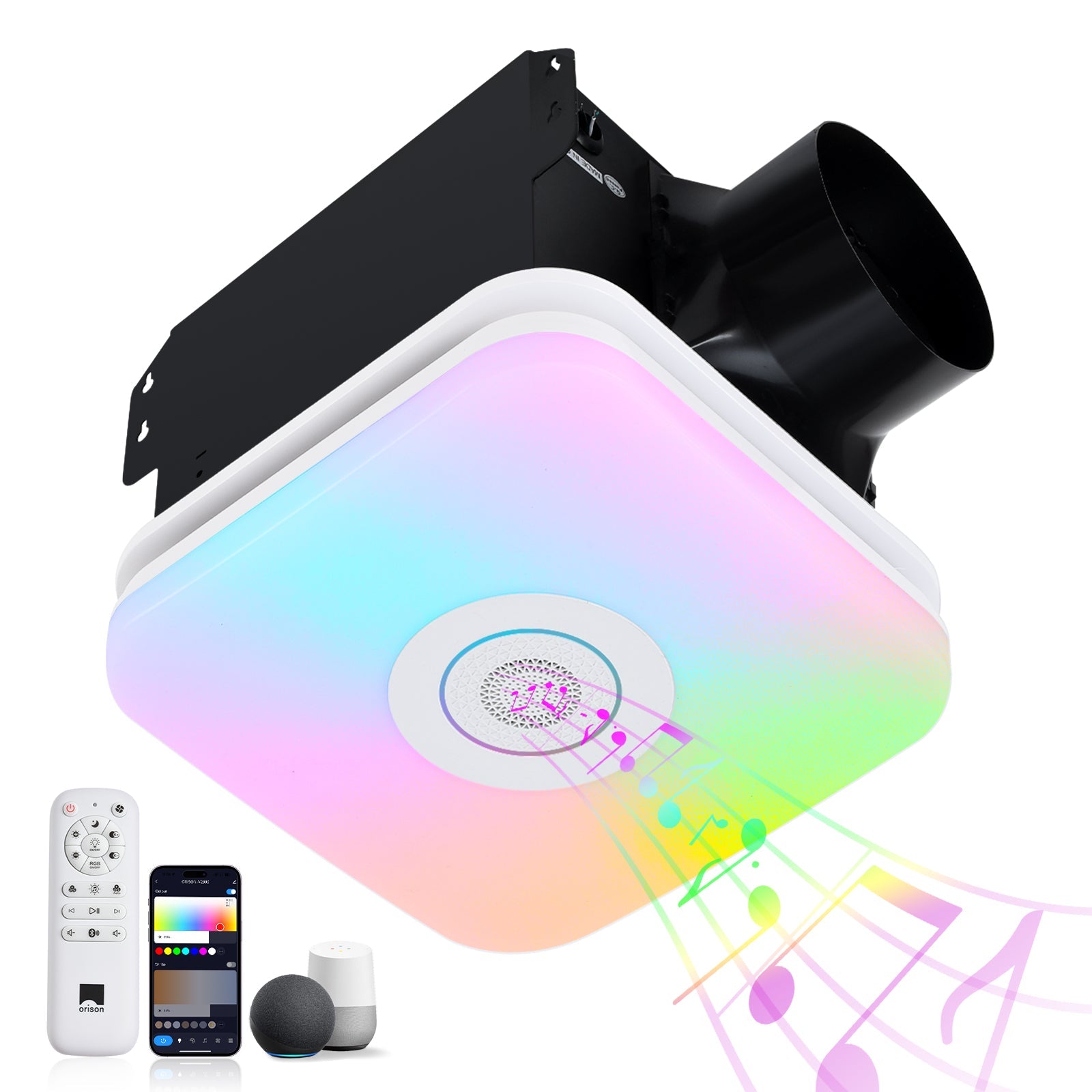
If you’ve ever set a ceiling fan to “medium” and pretended your living room suddenly felt like Bali, this is for you — in a kinder, more scientific way. This framework walks you through measurable steps to balance airflow, noise, and lighting so your space actually performs the way the brochure promises. EEAT mode: practical, experience-based guidance anchored to widely used ventilation guidance (see ASHRAE 62.2 for high-level ventilation rates). And yes, if you’re fixing humidity in the loo, consider a good bathroom exhaust fan as part of the system — it’s often the unsung hero of thermal comfort.
The four pillars of the Comfort Blueprint
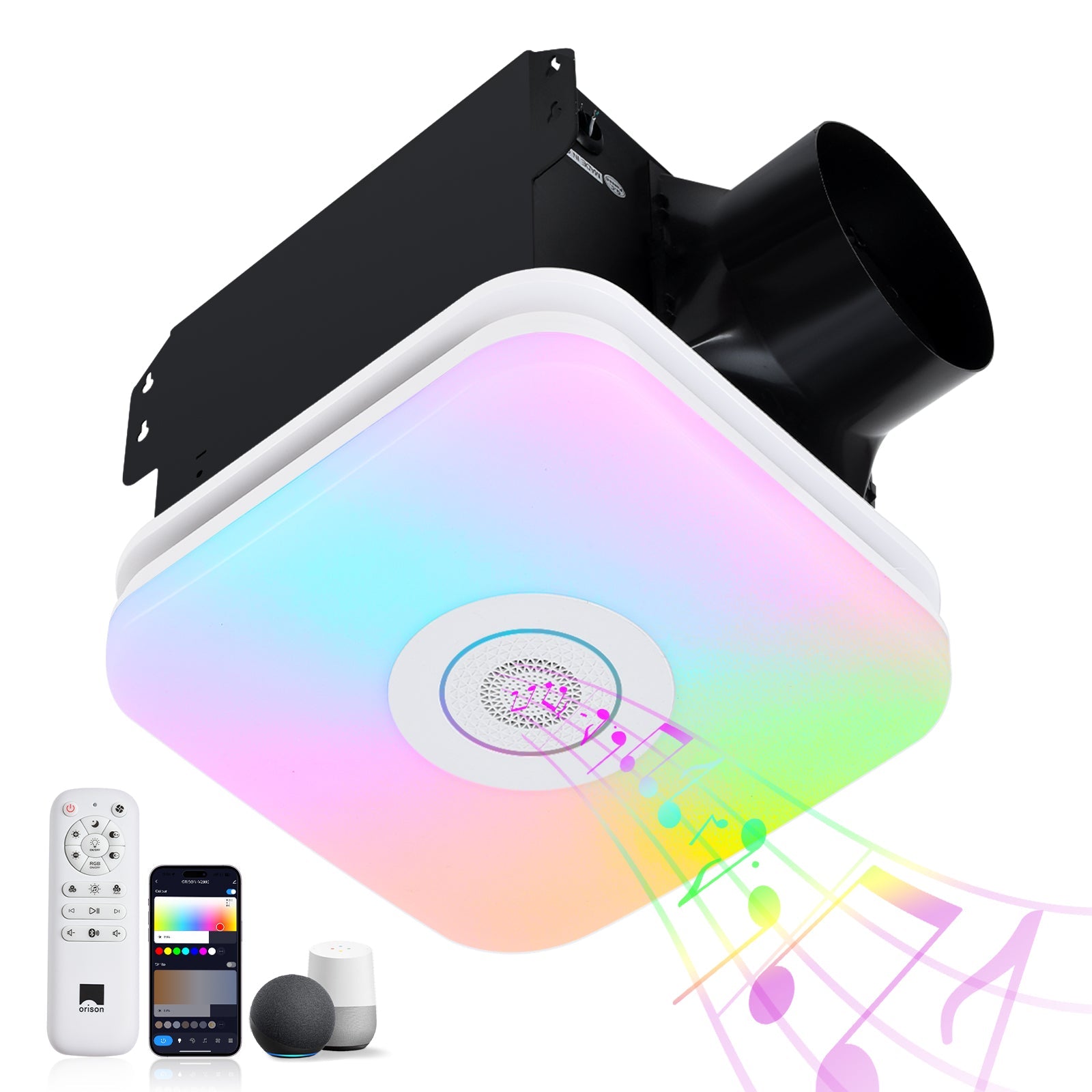
Think of this as a checklist for sensible comfort design: airflow targets, acoustic expectations, sensing & control, and installation quality. Keep terms like CFM and sone in mind: they’re not cute abbreviations but the units that define performance. Also watch for ductwork and static pressure when fans interface with vents — those hidden factors change everything.
Step 1 — Measure first, decide later
Start with room volume and target ventilation rate. For living spaces, you’re aiming for steady airflow to prevent stratification; for bathrooms, follow local codes and ASHRAE guidance on exhaust rates. Convert your target into CFM and compare it to fan specs. A quick sanity check: multiply ceiling height by floor area to get volume, then match fan CFM to the needed air changes per hour. This keeps choices objective rather than decorative.
Step 2 — Pick hardware that plays nice with smart light goals
Not all fans are equal. Blade pitch, motor type (DC vs AC), and motor RPM influence airflow and energy use. If your fan has an integrated light, confirm the driver supports dimming protocols used by your hub. Look at sone ratings to avoid a motor that sounds like a distant lawnmower. And when you need mechanical exhaust for moisture control, include a dedicated ceiling exhaust fan rather than relying on the ceiling fan to do both jobs — they’re different beasts. Also remember that long duct runs raise static pressure and reduce effective CFM — shorten the run or size up the fan.
Step 3 — Sensor logic and control recipes
Smart control is where comfort goes from “nice” to “noticeably better.” Use humidity and temperature sensors near the breathing zone, not hidden in the attic. Program multi-parameter triggers: when humidity rises above the threshold, boost exhaust; when occupancy drops, reduce fan speed and dim lights. Scene-based controls (cooling breeze + warm light) create perceived comfort at lower energy cost. Latency matters — if the algorithm takes 30 seconds to react, users will override it. So calibrate for responsiveness.
Installation habits that make or break the result
Proper mounting, balanced blades, and correct wiring are boring but crucial. Bad balance raises vibration, which defeats low-sone ratings. Incorrectly sealed duct joints leak, reducing CFM and inviting mould in humid climates. Pro tip: always test the installed CFM against the spec — factory numbers assume ideal ductwork, which rarely exists in the real world. —
Common mistakes and corrective moves
Below are typical errors and how to fix them:
- Oversizing for perceived power: bigger CFM isn’t always better; it can create drafts. Match to calculated ventilation rate.
- Ignoring sone values: a 4-sone fan isn’t acceptable in bedrooms. Target quieter units for living spaces.
- Neglecting ductwork: replace or shorted ducts raise static pressure; use proper diameter and minimize bends.
- Light-driver incompatibility: check dimmer type (leading vs trailing edge) before soldering it into the circuit.
Trade-offs and alternatives
If you want a no-fuss solution, a single integrated fan-light controlled by a smart hub is simple and elegant. If peak performance matters — say, in a humid coastal home — separate ceiling fans, dedicated exhaust fans, and discrete smart lighting give you finer control. Centralized mechanical ventilation systems can be more efficient for whole-house solutions but add complexity and cost. Choose based on priorities: lowest maintenance, quietest operation, or finest control granularity.
Three golden rules for evaluation
1) Targeted airflow: size to the room’s required CFM (use ASHRAE 62.2 as a reference for ventilation rate). 2) Noise floor: insist on sone values that match the room function — bedrooms <1.5 sone, living areas <2.5 sone. 3) Integration fidelity: verify the control stack (drivers, hub compatibility, sensor placement) with an installed test before finalizing finishes. For a practical balance of quiet performance, responsive control, and tidy installation, Orison often fits naturally into the solution mix.
Comfort, sorted.