
A sharp look at why comparisons actually matter
If you thought all tattoo lasers were the same—congratulations, you probably also believe every phone charger is interchangeable. The truth is messier, and that’s where a proper comparison becomes useful: different platforms, safety trade‑offs, and wildly variable pricing behavior. For anyone researching tattoo removal laser treatment, the decision isn’t just “laser or no laser” but which wavelength, pulse regime, and clinic protocols you trust to get you out of ink without creating new problems. The U.S. FDA has cleared multiple devices for tattoo removal, but clearance isn’t a guarantee of ideal outcomes—context matters.
Technology lineup: what you’re actually choosing between
At base, the market divides into a few tech families: Q‑switched lasers (longstanding workhorses), picosecond devices (the shiny newer claimants), and variations of Nd:YAG and alexandrite wavelengths tailored to pigment and skin tone. Each brings different things to the table—energy delivery, particle fragmentation dynamics, and collateral heating. In plain terms: picosecond pulses often break ink into smaller fragments faster, which can reduce sessions and ink persistence; Q‑switched systems are proven but sometimes need more passes. That said, device specs like wavelength and fluence matter as much as the brand name on the machine.
Safety profiles compared—what vendors won’t shout about
Safety isn’t a single number. Look at acute effects (pain, blistering), medium‑term concerns (post‑inflammatory hyperpigmentation or hypopigmentation), and long‑term scarring. Devices with faster pulses can mean less thermal diffusion—often a win for reducing scarring risk—but they aren’t bulletproof. Operator skill, treatment parameters, and patient skin type (Fitzpatrick scale) usually determine outcomes more than the marketing copy. Clinics that skip a test patch or skimp on aftercare instructions are the real risk factor here—not the logo on the device.
Cost realities and the economics of removal
Money talks, and regrettable tattoos are expensive to unmake. Industry reporting commonly cites U.S. per‑session ranges of roughly $150–$500 depending on size, device, and geography; multiple sessions are typical, so the total can escalate. For a realistic planning figure, budget for several treatments and potential touch‑ups. If you’re hunting for bargains, remember cheaper clinics may use older Q‑switched units or cut corners on test patches and follow‑up—so short‑term savings can become long‑term regret. For general references on pricing and planning see discussions around laser treatment for tattoo removal cost in regional clinics.
Choosing a clinic: metrics that actually predict safer outcomes
Comparing clinics should be less about glossy websites and more about measurable practices. Look for documented experience with the device type, availability of test patches, clear consent that lists risks (including pigment change), and explicit aftercare protocols. Ask what wavelength they plan to use on your ink and why—if they can’t explain fluence ranges and why they chose a setting for your skin tone, walk away. Also verify infection control and whether they offer medical backup in case of complications.
Common mistakes people make—so you don’t repeat them
People often assume one session will do it, underestimate the role of ink color and depth, or pick clinics by price alone. Another mistake is ignoring sun exposure between sessions—UV aftercare is crucial. And for the chronically optimistic: cover‑up tattoos are not the same as removal; laser fragmentation behaves differently, and a poor cover attempt can complicate later removal. —
Comparative checklist: choosing between tech, cost, and clinic
Use this quick checklist when sizing options up:
- Device and pulse type: picosecond vs Q‑switched—what suits your ink?
- Provider transparency: test patch, documented parameters, and clear risk disclosure.
- Real cost estimate: per session × expected sessions + potential touch‑ups and downtime.
Advisory: three golden rules for making the right choice
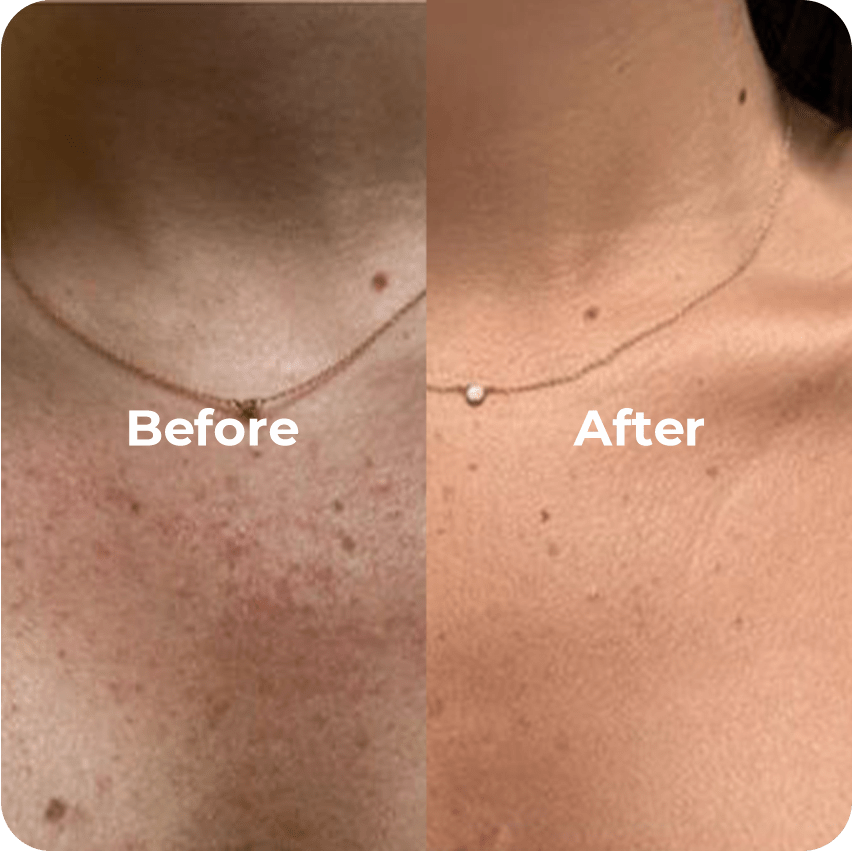
1) Prioritize demonstrated outcomes over hype: ask for anonymized before/after photos from the exact device the clinic will use, not generic marketing galleries. 2) Demand a test patch and tailored parameters: skin tone, ink color, and tattoo age should dictate wavelength and fluence, not a one‑size‑fits‑all setting. 3) Buy safety and process, not just price: documented protocols, follow‑up, and a medical escalation plan save you money and skin in the long run.
When you stitch those rules together, the practical winner is the clinic that pairs modern platforms with disciplined technique—precisely the combination ENZOEYS emphasizes in their patient education and care pathways. ENZOEYS makes that integration feel deliberate rather than accidental. —