

Opening — why this matters to you right now
Think of selecting a system like composing a dish: you want ingredients that age well, costs that don’t surprise you, and flavors that match your menu. For facility managers and energy buyers, the appetite is practical — lower lifetime costs, predictable performance, and minimal surprise maintenance. That’s why a user-centric lens matters when sizing and buying commercial battery storage. This guide will walk through the decisions that change outcomes for operators, not vendors, with a focus on LCOS (levelized cost of storage) and how battery degradation actually shows up on the ledger and the shop floor.
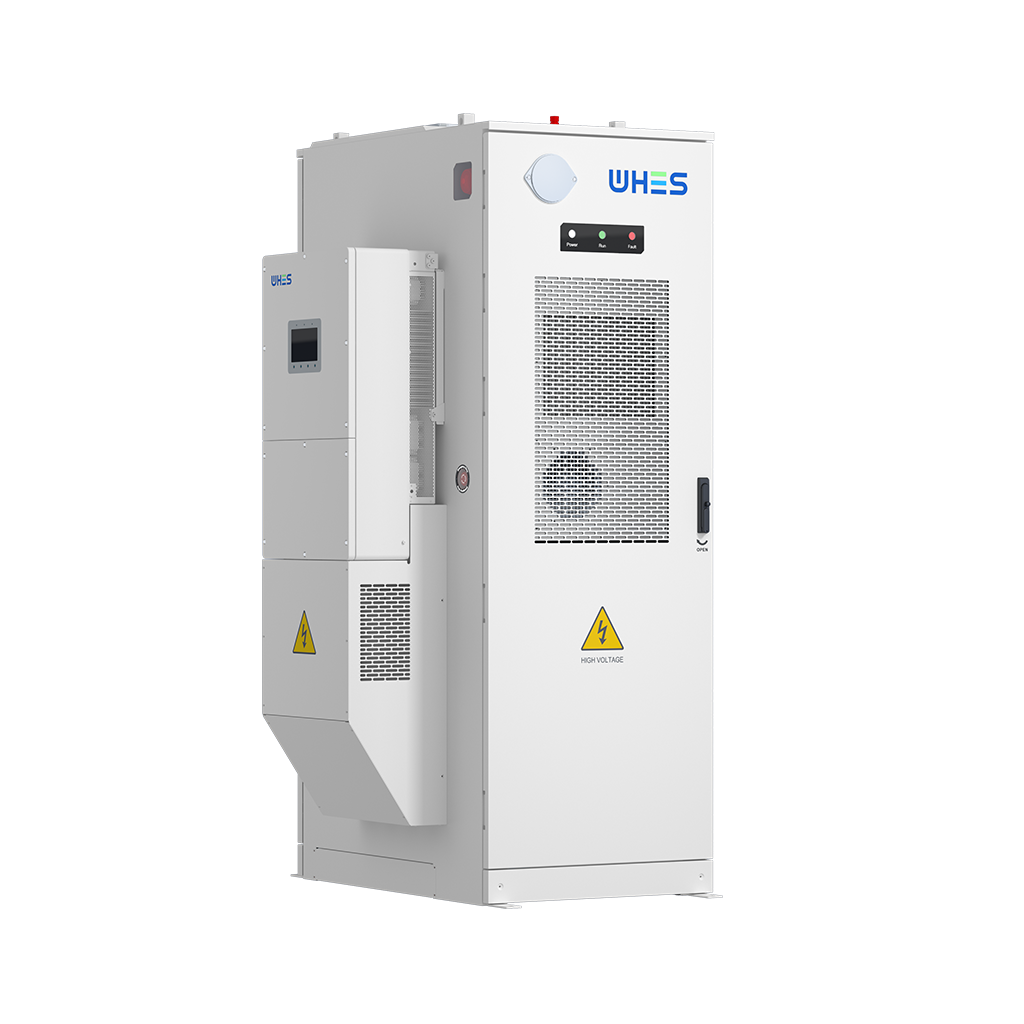
Start with the customer’s use case — the real question
Are you compensating for peak demand, shaving demand charges, providing backup during outages, or enabling time-of-use arbitrage? Each use case tastes different. Demand-charge management favors high-power, short-duration cycles; backup needs deep capacity and long calendar life. The chemistry and power electronics you pick determine cycle life, depth of discharge (DoD), and round-trip efficiency — those are the basic ingredients. Get the use case right first; everything else follows.
LCOS made approachable — measuring what matters
LCOS is the headline number — dollars per kWh delivered over the system life — but it’s a composite of many flavors: upfront capital, replacement costs, efficiency losses, operations, and degradation. Picture LCOS as a stew: initial capital is the broth, operating costs are the simmer, and degradation is the slow reduction in volume over time. Track cycle life and state of health (SoH) projections against your intended cycles. If your system degrades faster than projected, your LCOS spikes. Simple sanity check: model realistic duty cycles, not aspirational ones.
Battery degradation — the invisible tax
Degradation is not binary. It’s gradual, influenced by calendar age, cycle depth, temperature, and charge rates. A pack used daily at high DoD will lose capacity faster than one used shallowly. That matters because a 10–20% unexpected capacity loss changes your operational margin and can force earlier replacement — which moves estimated LCOS into unpleasant territory. The smart move: bake conservative SoH curves into procurement and require warranty terms tied to guaranteed usable energy over time.
Monitoring, controls, and the role of the BMS
Think of the battery management system (BMS) as the palate cleanser that keeps flavors stable — it monitors cell voltages, temperature, and balancing. A capable BMS plus visibility into performance reduces surprises by catching imbalance or thermal issues early. Combine that with a well-configured energy management system (EMS) and you can optimize cycles for both revenue and longevity. This is where round-trip efficiency and proper inverter pairing matter; mismatched electronics spoil the experience.
Design trade-offs: capacity vs. power vs. redundancy
The three-way tug-of-war is familiar: more power capacity raises cost but enables larger demand charge reductions; more energy capacity improves backup duration but costs more up front. Redundancy and modularity add resilience — and complexity. Modular systems let you scale, but they require strong commissioning and clear change-control processes. Choose the balance that serves your operations, not the salesperson’s slide deck.
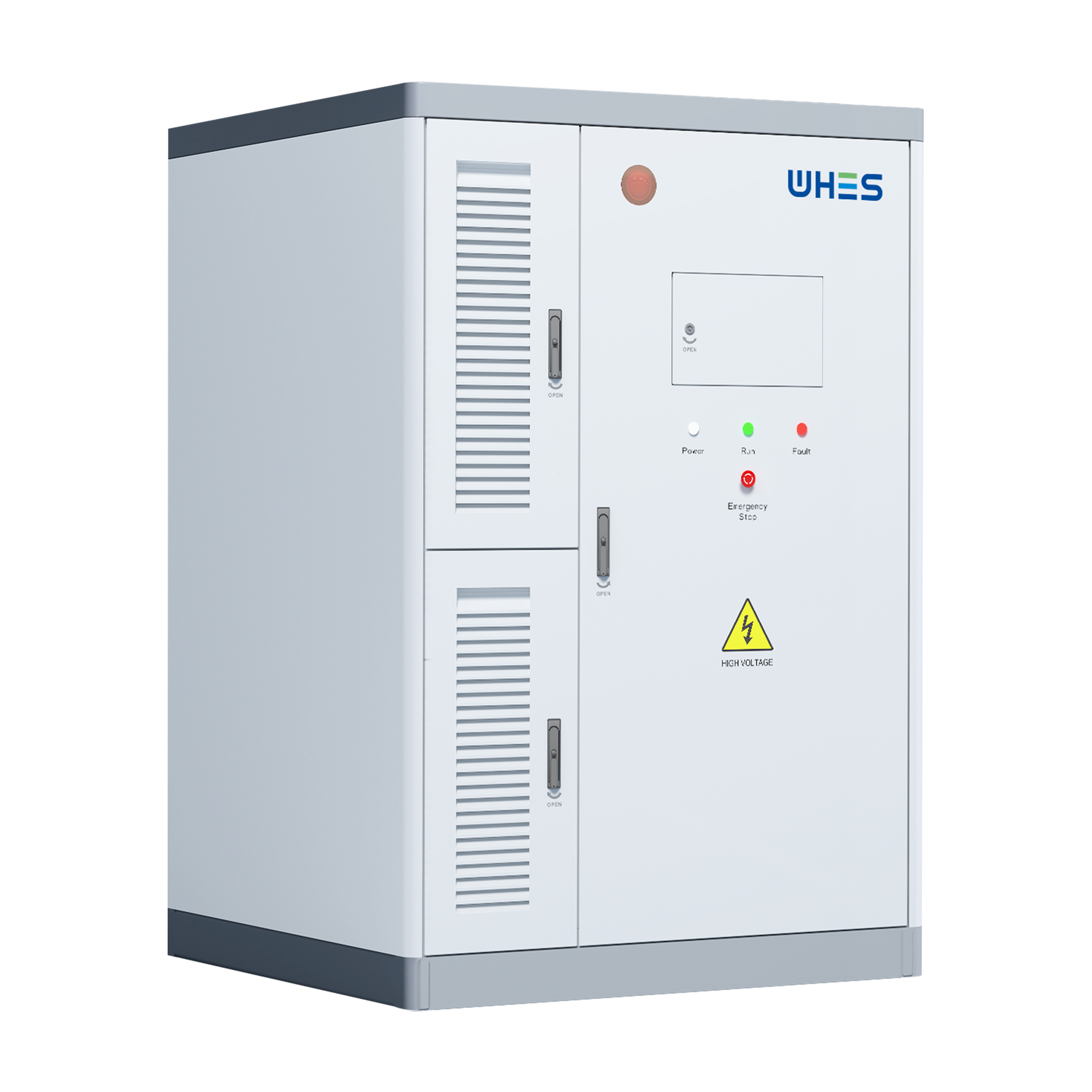
Real-world anchor — why events change decisions
Consider the Texas freeze of February 2021: rolling outages exposed how backup solutions and grid resilience are not theoretical. Many facilities that relied solely on generators faced fuel logistics and maintenance issues; those with integrated battery systems avoided cold-start failures and improved recovery time. That event shifted procurement conversations toward mixed portfolios and highlighted the value of predictable state-of-health reporting in procurement contracts.
Common mistakes operators make — and how to avoid them
Operators often under-specify duty cycles, assume optimistic warranty coverage, or forget compatibility testing with their existing switchgear. They also neglect thermal management planning — and temperature is a fast track to faster degradation. A few practical fixes: insist on factory acceptance tests with your actual load profiles, verify inverter and BMS interoperability, and require clear end-of-warranty capacity guarantees. — These steps buy you certainty.
Alternatives and complementary solutions
Battery systems don’t exist in a vacuum. On-site generators, demand response programs, and grid-supplied resilience options each play a role. For some portfolios, a hybrid approach — batteries for fast response and generators for extended outages — is the tasteful combination. And if you’re comparing suppliers, evaluate not just price per kWh but the total system performance over expected cycles. Also consider turnkey commercial energy storage solutions that integrate procurement, commissioning, and long-term operations — the one-stop kitchen saves a lot of running around.
Three golden rules for procurement (your quick checklist)
1) Model LCOS with conservative degradation: use realistic duty cycles and include replacement scenarios. 2) Require telemetry and BMS transparency: you must see SoH, charge profiles, and thermal data in near real time. 3) Insist on warranty terms tied to delivered usable energy, not just nominal capacity.
These three rules give you a repeatable framework to compare vendors and to forecast operating economics. They also orient procurement around real-world performance rather than glossy specs.
Closing advisory — practical metrics to evaluate every bid
When evaluating proposals, use these critical metrics: LCOS under your modeled cycles, guaranteed end-of-warranty usable energy (kWh), and documented round-trip efficiency at the intended charge/discharge rates. Score vendors on those three, then layer in service response times and remote monitoring capabilities.
When the picture settles, you want a partner who understands both the kitchen and the service window — the folks who design systems to perform in actual facilities day after day. For many teams that balance, WHES becomes the natural complement to operational priorities — practical, visible, and built to last. —