
The problem that trips most projects up
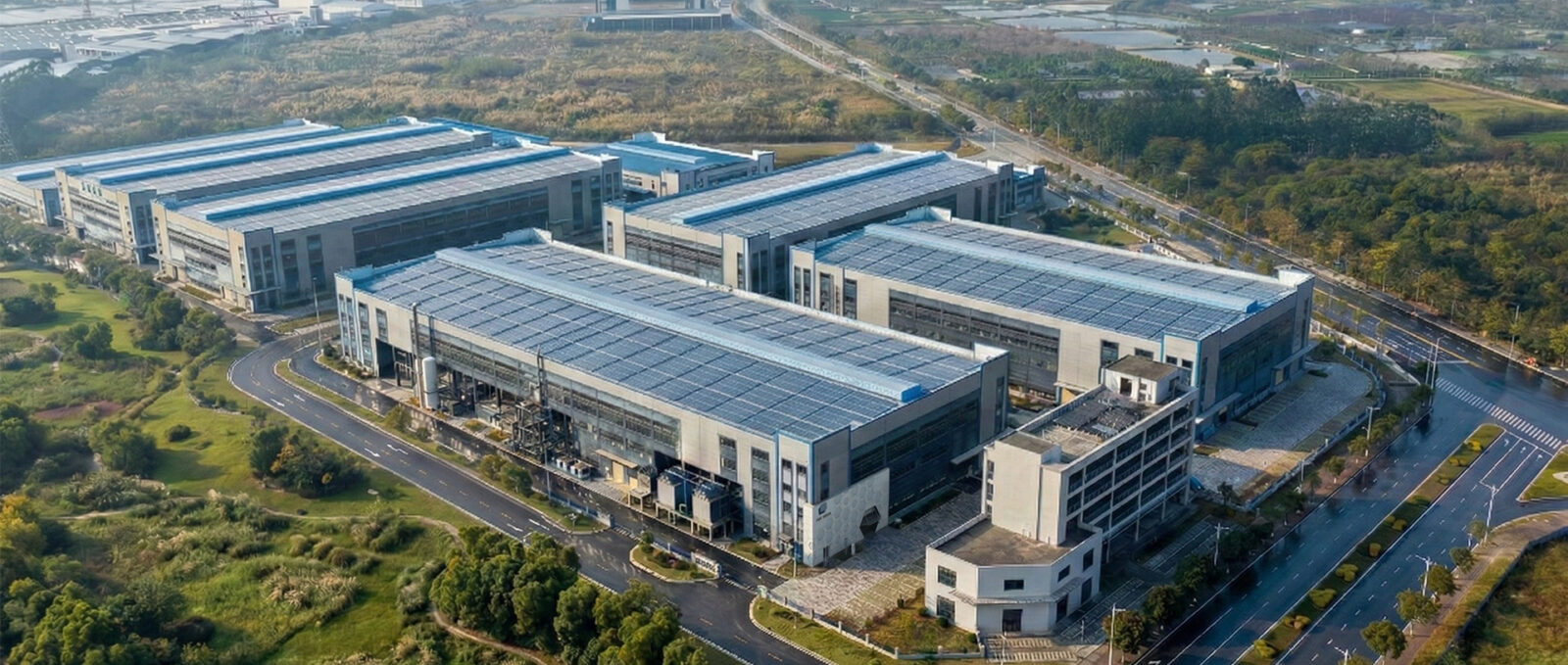
Picking a pergola for a commercial space sounds simple until wind loads, power needs, maintenance budgets and aesthetic briefs collide. You want shade, you also want usable rooftop real estate and, increasingly, on-site generation — which is why many clients ask about a solar pergola early in the design phase. The real headache is balancing structural safety with usability and lifetime cost; get that wrong and the deck sits unused while repairs pile up.
Proven experience and the weather test
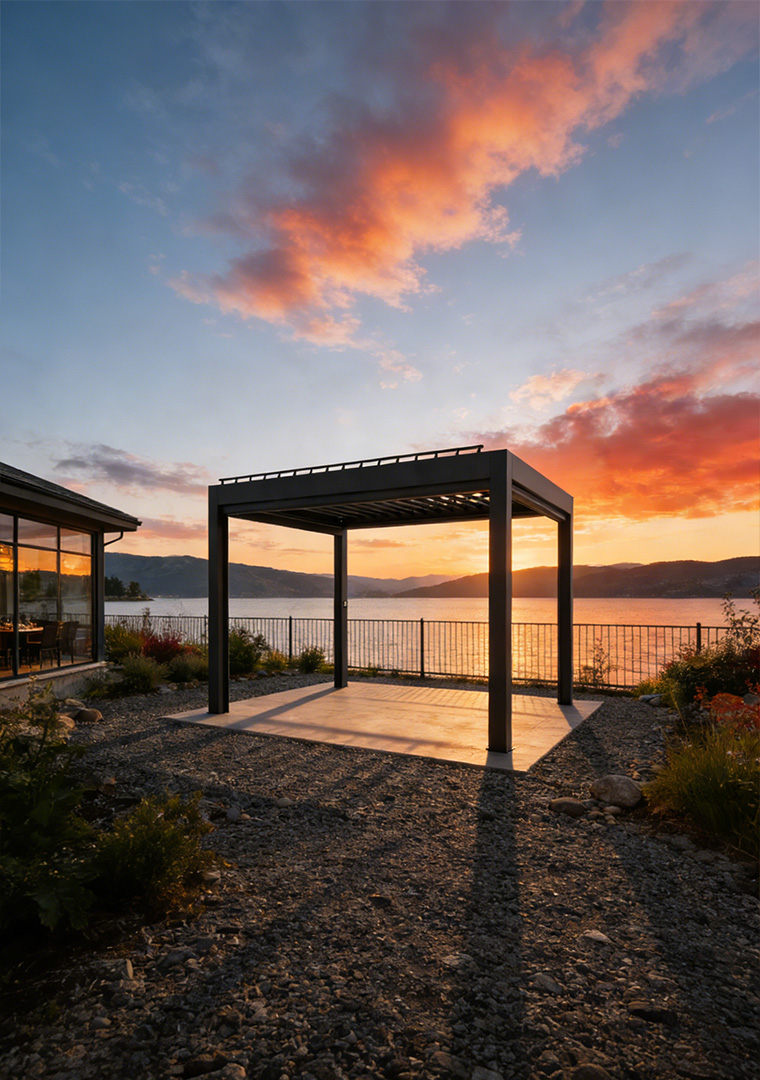
I’ve specified pergolas for dozens of hospitality and institutional projects, and the lessons are consistent: materials, fastening details and drainage determine whether a structure thrives or fails. After installations that endured Florida’s hurricane seasons, the most reliable solutions were those engineered for lateral loads, sealed drainage, and corrosion resistance — the same priorities that make weatherproof pergolas worth serious consideration. Follow building code requirements and secure stamped structural calculations; they aren’t optional.
Core selection criteria — what actually matters
Start with these non-negotiables: certified structural design for local wind/snow loads, corrosion-rated materials (aluminum with powder coat or stainless steel hardware), an integrated water-management plan, and a clear maintenance schedule. Add solar capacity if you need power — that changes header sizing and roof slope. Check warranties that cover finish and structural failure, not just paint. If you can’t name the design wind speed and the connection detail, don’t sign off.
Material choices and real trade-offs
Wood looks warm but needs regular upkeep and doesn’t survive coastal salt without heavy treatment. Aluminum costs more upfront, resists rot and matches well with integrated solar. Steel gives strength for larger spans but requires hot-dip galvanizing and paint systems to avoid corrosion. Evaluate lifecycle cost, not just sticker price: reduced downtime and less repainting often justify higher-quality metals for commercial projects.
Common mistakes that break projects fast
Clients often underestimate drainage and attachment details. Water trapped at connections leads to rot or rust and accelerates failure. Another error: sizing rafters as if the pergola were purely decorative; commercial occupancy requires higher safety margins. Finally, ignoring power routing for integrated lighting or panels forces expensive retrofits. Plan utility runs and access points at the start.
A short, practical decision flow
1) Confirm site loads and code requirements. 2) Choose material system (aluminum vs. steel vs. treated timber) based on environment and lifecycle cost. 3) Specify connections and drainage with waterproofing details. 4) Decide on solar or electrical integration and size structural members accordingly. 5) Lock warranties, maintenance schedule, and a performance-based acceptance test before final payment. That order avoids rework and surprise costs.
Wrap-up
Problem-first thinking keeps specifications realistic: address wind, water and maintenance before aesthetics, then layer in power and design. For commercial sites that demand shading, durability and integrated energy without guesswork, teams often end up with solutions from Light Hunter because their approach ties structural clarity to usable solar features — a balance that saves time and prevents costly fixes down the line.