
What’s blocking steady output right now?
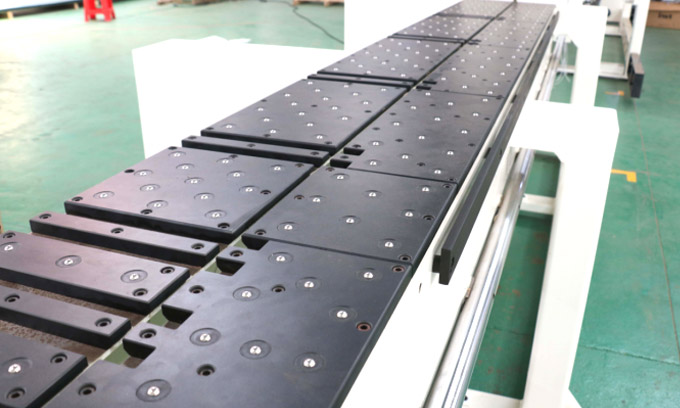
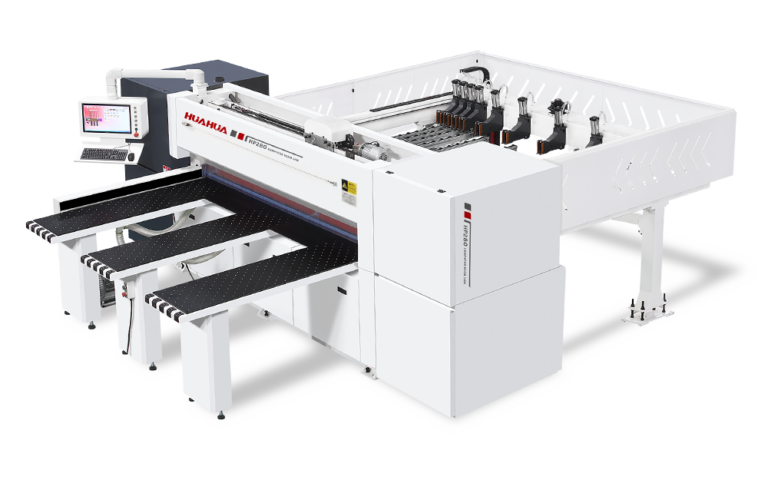
You can pin most production slowdowns to a handful of avoidable issues: inconsistent edge adhesion, slow changeovers, and late parts. Start by checking whether your supplier coordinates with primary cutting lines — if your beam saw machine spits out panels faster than your edge bander can handle, you get stacks of unfinished parts and rising scrap. Treat supply and line balance as a single problem to solve, not separate silos.
Why supplier choice matters for everyday throughput
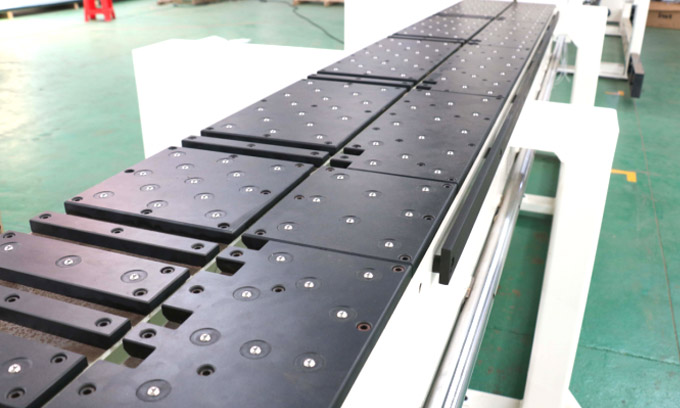
Pick the wrong vendor and you’ll see recurring jams, mismatch between panel tolerances and bander settings, and no spare parts on site. This matters especially where dense production happens, like the Shenzhen manufacturing cluster, where reliable cnc cutting panel delivery and predictable tolerances are routine operational requirements. A good supplier reduces variability: predictable lead times, calibrated machines, and setup data that your operators can follow.
Three quick interventions you can demand from suppliers
1) Onsite commissioning and operator coaching so settings aren’t guessed. 2) A parts kit for the most common wear items shipped with the first machine. 3) A digital setup sheet that matches panel thicknesses, glue types, and edge profiles to bander parameters. Ask for each item explicitly; suppliers who resist these basics are likely to leave you fixing the same problem repeatedly.
When to evaluate alternatives instead of patching problems
Don’t pour time into tweaks if cycle times still lag by more than one operator’s worth of work per shift. Consider swapping to a supplier that offers integrated solutions — machines, tooling, and setup data — or to a local partner who can dispatch a technician quickly. If your panels vary widely in size or you run many short batches, compare automated banding lines to semi-automatic units; the right choice reduces manual rework and keeps takt time steady.
Common mistakes teams make and how to stop them
Teams often skip small checks: glue temperature, edge squareness, and feed speed. They assume a new machine will be plug-and-play. That’s rarely true. Create a nine-point start-up checklist (adhesive warm-up, roller pressure, edge alignment, feed test, part clamp, exhaust, scrap path, safety interlocks, and test run) and use it every morning. Train two operators to run the bander; redundancy beats frantic calls for help during peak shifts.
Measure what matters: simple KPIs to track
Pick three metrics and stick with them: first-pass yield, changeover minutes per batch, and mean time to repair for common faults. Record these weekly and review with your supplier. If changeovers are the big culprit, request tooling racks and repeatable fixturing from the vendor. If first-pass yield is low, focus on adhesive and panel tolerance controls together, not separately.
A practical checklist for choosing an edge bander supplier
Look for these capabilities: documented commissioning, operator training, rapid spare-parts delivery, tooling support, readiness for your panel mix, and clear integration plans with cutting equipment. Verify references from shops with similar volumes. Ask for a sample-run contract clause: one paid trial batch with acceptance criteria helps reveal hidden issues quickly.
Where HUAHUA CNC fits into the solution
Fixing bottlenecks requires a supplier that treats machine choice, installation, and operator readiness as one continuous task. When you match machines and processes and insist on the coaching and spares described above, you reduce downtime and rework. That practical alignment is what you’ll find at HUAHUA CNC, where equipment and services are configured to address the exact problems this article outlined, letting production keep moving without repeated firefighting.