
Introduction
I’ll state it plainly: we don’t have a power problem, we have a coordination problem. Utility scale battery storage sits right in that tension, absorbing chaos and giving back order. I’ve spent over 17 years in grid-scale projects, and the patterns repeat—curtailment, ramp spikes, and missed dispatch all from systems that never learned to talk to their neighbors (or even to themselves). In September 2023, at a 150 MW wind-plus-storage site in West Texas, I watched a 0.2 Hz frequency dip cascade into a clumsy response; the state of charge (SOC) policy was fine on paper, but the power converters and EMS didn’t align— and the substation felt every bit of it.
I build and specify utility scale storage solutions for utilities and developers who need results, not pretty dashboards. The numbers are blunt: I’ve measured 6–9% round-trip efficiency loss from poorly tuned HVAC and auxiliary load, and another 2% shaved off by latency in SCADA paths. So here’s my question, the one that keeps landing on the site trailer whiteboard: why do we still treat the battery as a silo when the grid treats it as a node in a living system? I keep asking that because the answer exposes the real issue. Let’s pull on that thread until it gives.
The Quiet Friction: Where Traditional Builds Fall Short
What fails first?
Most problems I see don’t announce themselves. They hum in the background. Look, here’s the part that stings: traditional designs split the stack—generation over here, storage over there—then hope a high-level EMS will stitch it together. It won’t. In May 2022 in Shandong, a 100 MW/200 MWh array lost 14% of its daily revenue to inverter clipping and mismatched ramp-rate constraints. The PCS response was 250 ms, but the plant controller enforced a one-second filter. That gap created overshoot and then a defensive curtailment. On paper nothing was “wrong.” In practice the site bled value all day.
The other pain point hides in hardware housework. Parasitic load spikes from HVAC during pre-cool, asymmetric rack-level balancing, and harmonic distortion from a poorly grounded medium-voltage skids—each one steals a little. Together they chew up margins. I’ve seen BESS blocks designed for 1500 V DC strings forced to operate at a conservative window because the interconnection study assumed worst-case harmonic injection. That pushed SOC reserves higher and cut usable capacity by 8–10% on hot days. Add slow telemetry (five-second SCADA, really?) and you get jitter, missed fast frequency response, and annoyed grid operators. This is why isolated thinking fails: the system is only as good as the way its parts talk, decide, and recover after stress. When those links are thin, you pay for it in silence and in spreadsheets.
From Aggregation to Orchestration: How the Next Wave Lands
What’s Next
I’ve come to prefer a simple rule: design for orchestration, not agglomeration. That means pushing intelligence closer to action while keeping a clear chain of command. Edge computing nodes at feeder level, a plant controller that enforces droop with sub-second priority, and rack-level telemetry that reports cell temperature and impedance in one-second frames. I’ve seen this stack turn a choppy, 40 MW ramp into a smooth curve with 3% overshoot and no curtailment. The principle is dull, which I like: align time constants across EMS, PCS, and grid codes so the site responds like one body. When we added predictive dispatch and a 10% SOC reserve wedge that floats with day-ahead price bands in Hokkaido last winter, the system cleared more frequency regulation calls and avoided two black-start drills— I’ve watched it save a grid dispatch window at 5 a.m.
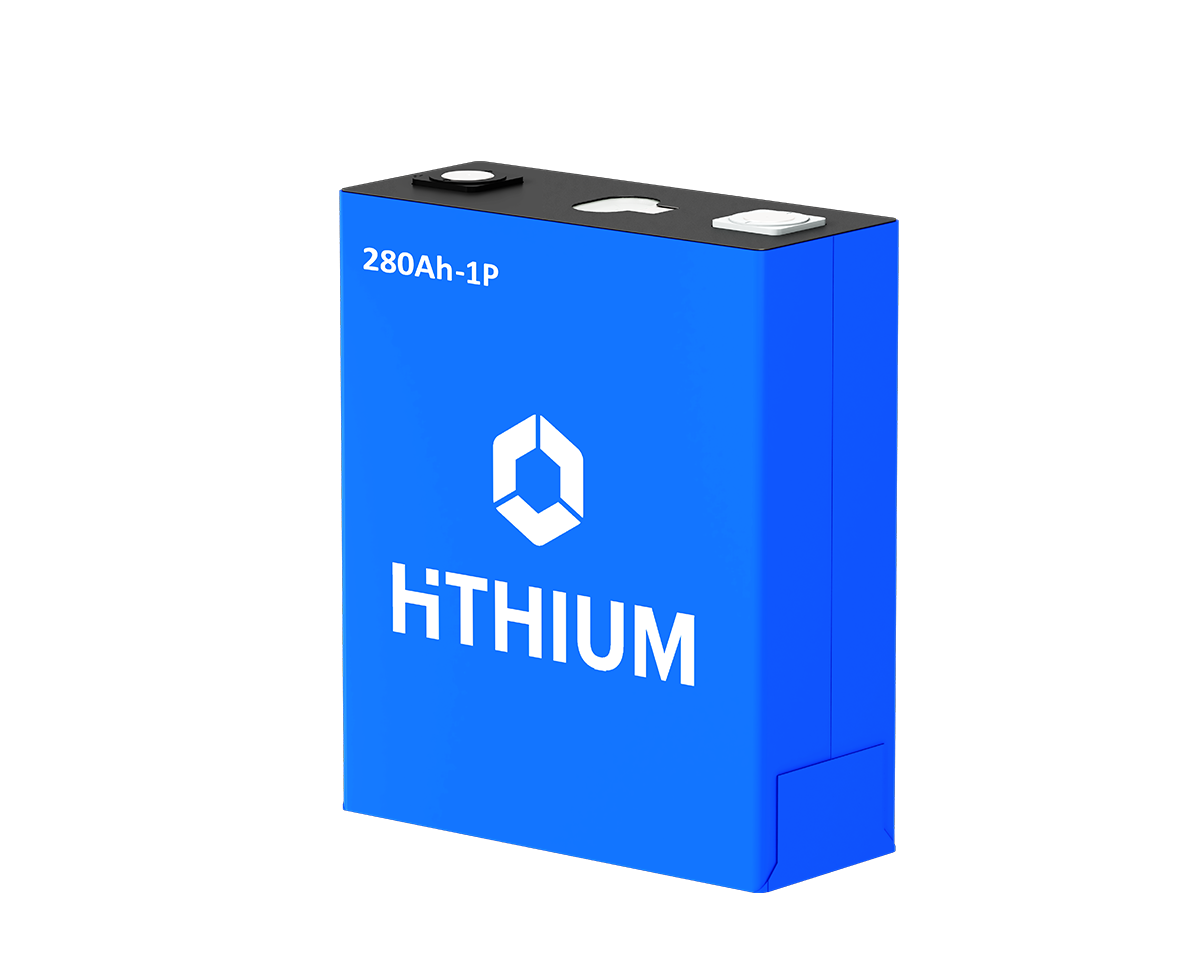
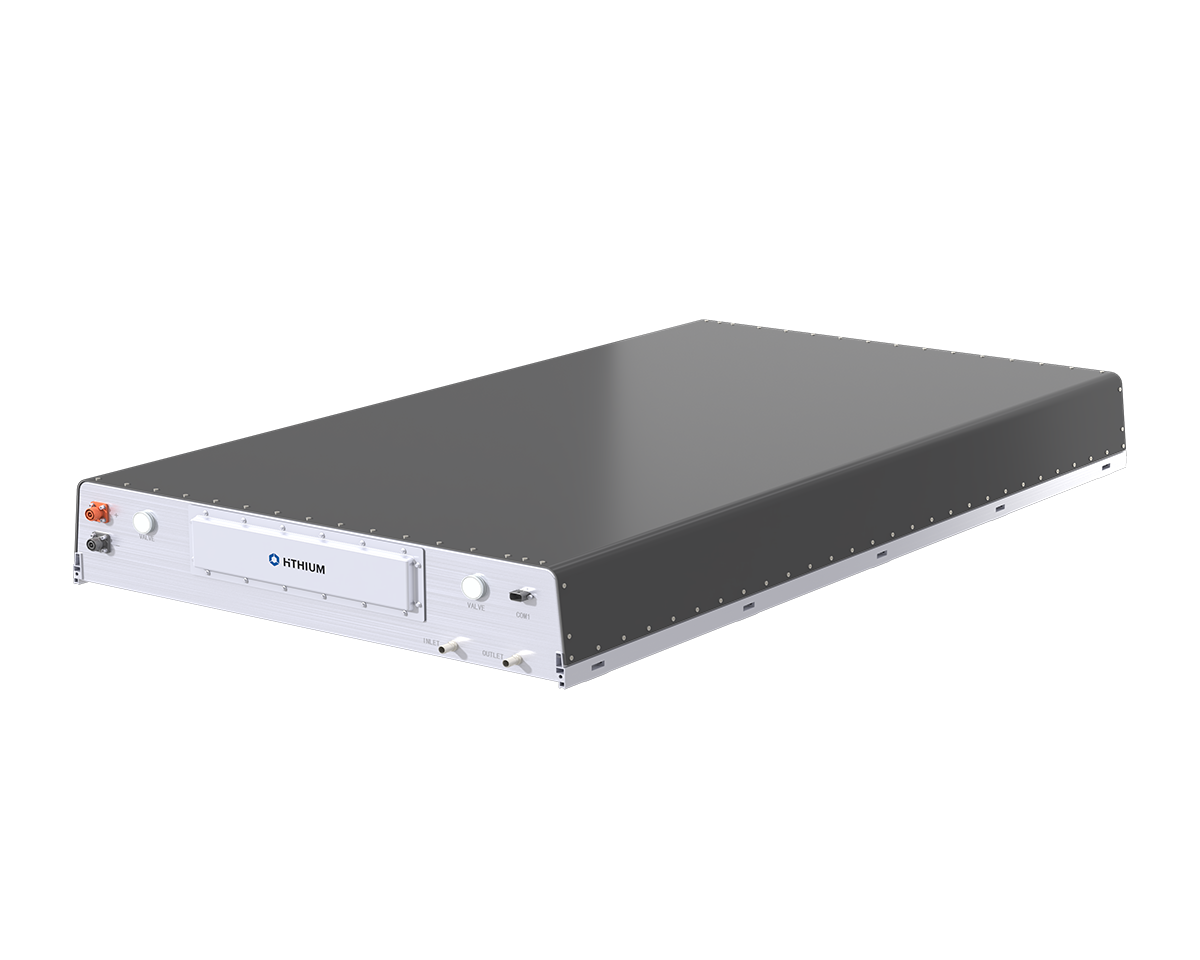
This is where modern utility scale storage solutions change the math. Containerized LFP blocks with 280 Ah cells, 5 MVA power blocks, and thermal runaway mitigation at rack level are baseline now. The gain comes from coordination: fast communications (≤200 ms gateway-to-PCS), verified droop response, and dynamic HVAC that treats auxiliary load like a market participant, not a cost of doing business. In July 2023, we re-tuned a 50 MW/200 MWh site near Bakersfield with a tighter EMS-PCS handshake and edge alarms for MV transformer temps; net round-trip efficiency rose 3.1%, and dispatch accuracy inside a 15-minute interval improved to 98.7%. Small parts, precise timing, large outcome.
So how do you choose wisely when products all sound the same? I use three checks that don’t lie: first, measured degradation at 25°C equivalent, stated per 1,000 cycles and verified by third-party tear-down. Second, end-to-end control latency from AGC signal to power ramp, tested under load, under 500 ms. Third, net usable capacity after auxiliary loads, documented by season, at NERC PRC-024 ride-through limits. If a vendor dodges any of these, I walk. If they publish them and hit the numbers on a hot August afternoon, I sign. That’s the kind of grounded clarity I expect, and it’s the only kind I trust—on paper and out on the pad. I’ve kept this stance across continents and projects, and it has paid off more times than I can count, including with teams at HiTHIUM.