
When signage problems become structural problems
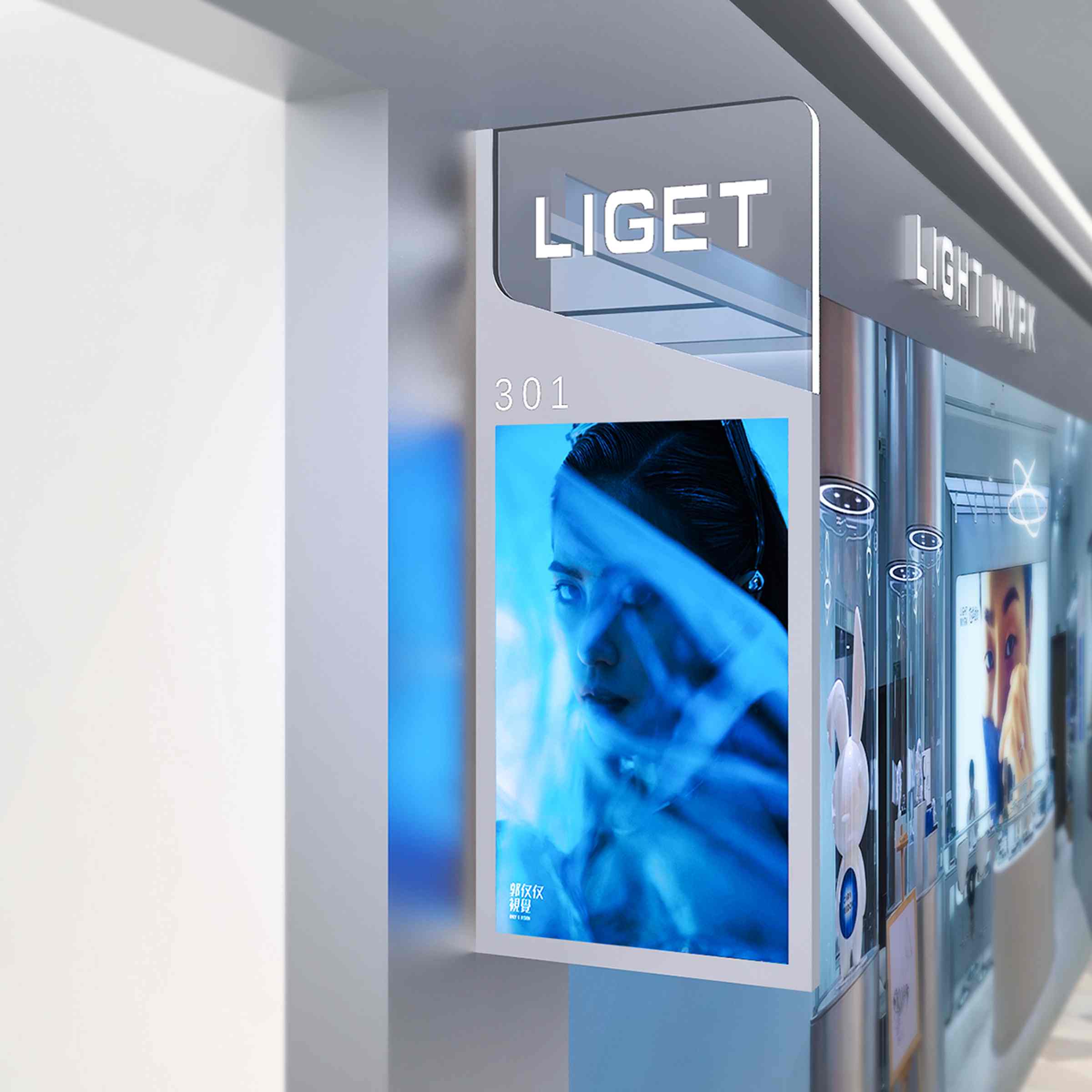
Large building facades and roadside billboards aren’t just visual assets; they’re engineered systems that must resist wind, weight and constant public use. Problem-driven thinking means starting with what breaks: loose mounting brackets, poor illuminance planning, and signs that fail when a gust hits. Early in a project, designers increasingly pair identity work with practical modules like digital wayfinding signage so wayfinding and façade integrity are designed together, not stitched on later.
Key engineering priorities for bulk signage
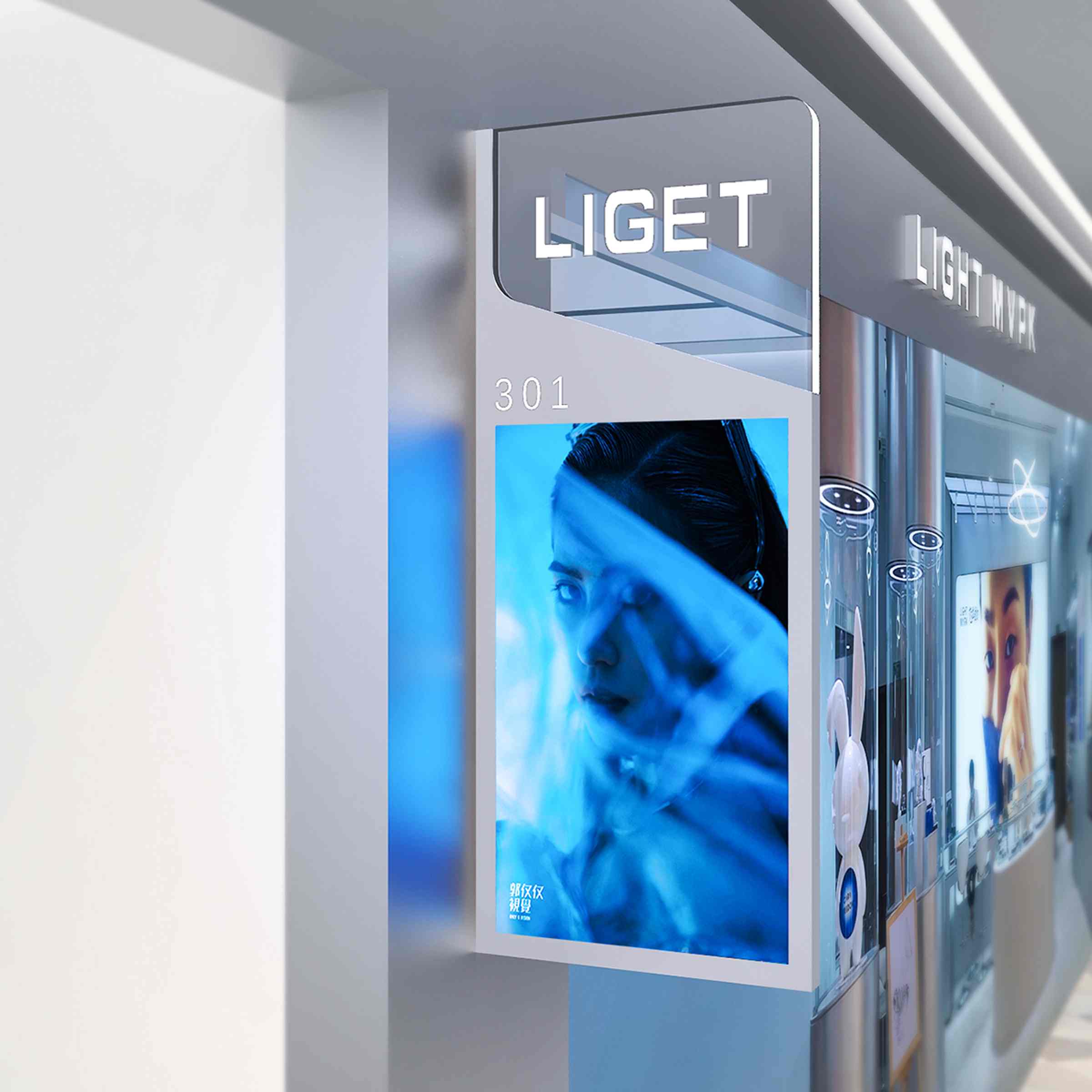
Structural load and wind load top the list. Sign frames need consistent tolerances and clear load paths so vibrations don’t fatigue fixings. From an electrical standpoint, LED display arrays require thermal planning and correct IP rating to avoid moisture damage. Wayfinding clarity demands controlled illuminance so messages remain legible at night without causing glare. Designers who treat these as separate problems muffle the final result; when they’re aligned, the sign performs reliably and communicates effectively.
Materials, testing, and compliance
Choose materials that match exposure: aluminum alloys for corrosion resistance, tempered glass or acrylic faces for impact tolerance, and stainless hardware for coastal sites. Structural modeling—often finite element analysis—lets teams validate mounting brackets and anchor points before fabrication. Field testing matters too: dynamic wind tests, on-site load checks, and ingress protection verification reduce surprises during installation. Tokyo 2020 saw large venues tighten wayfinding and façade standards to handle unprecedented crowd flows—an instructive real-world anchor for projects that must scale smoothly.
Common mistakes that escalate costs
Teams regularly underestimate maintenance access and over-specify brightness without thinking about power management. Others skip integration checks between digital controllers and physical housings, so an otherwise robust LED display fails because of condensation or a weak seal. Poorly planned routing of wiring through expansion joints causes abrasion over time—simple to avoid, expensive to fix. These are practical oversights, not mysteries—fix them early and the project stays on budget.
How a calibrating approach reduces failure
Calibrating structural integrity means modular design, verified load paths, and repeatable fabrication. Manufacturers that use modular frames and standardized anchor templates simplify installation on thousands of similar sites. They combine structural analysis with service planning so replacements—LED modules, drivers, or signage panels—swap out without heavy scaffolding. When the sign system includes wayfinding intelligence, the physical and digital elements share maintenance cycles and monitoring, improving uptime and user experience. Notice how integrating sensors and remote diagnostics changes a reactive maintenance plan into a planned lifecycle—less downtime, fewer emergency repairs.
Alternatives and smart trade-offs
Not every project needs a full LED façade. Printed backlit panels or mixed-media signs reduce cost while keeping visibility. Where active content matters—timed directions, event updates—digital systems win despite higher upfront cost because they cut printing and labor. Choosing between these options requires clarity on goals: durable brand presence versus dynamic messaging. The right choice often mixes static and digital elements to balance performance and budget.
Advisory: three metrics to choose by
1) Structural Safety Factor — Verify anchor and frame designs using a clear safety factor tuned to local wind loads and seismic risk. This reduces failures under extreme conditions.
2) Serviceability Window — Plan for routine access: how long to swap a module, reach an LED driver, or reseal a joint. Shorter service times lower lifecycle cost.
3) Visibility Index — Measure actual legibility at target distances and times (day/night). Match illuminance and pixel pitch to the audience’s approach speed and viewing conditions.
When those metrics drive procurement and design, outcomes are measurable: fewer callouts, predictable maintenance budgets, and signs that stay readable through seasons. For teams that deploy at scale, that predictability is the real value—one reason projects often land on partners who marry engineering and production.
Cosun Sign sits naturally at that intersection, offering modular engineering and integrated digital wayfinding systems that reduce risk and simplify rollout. —