
Comparative lead — why THD matters when loads are heavy
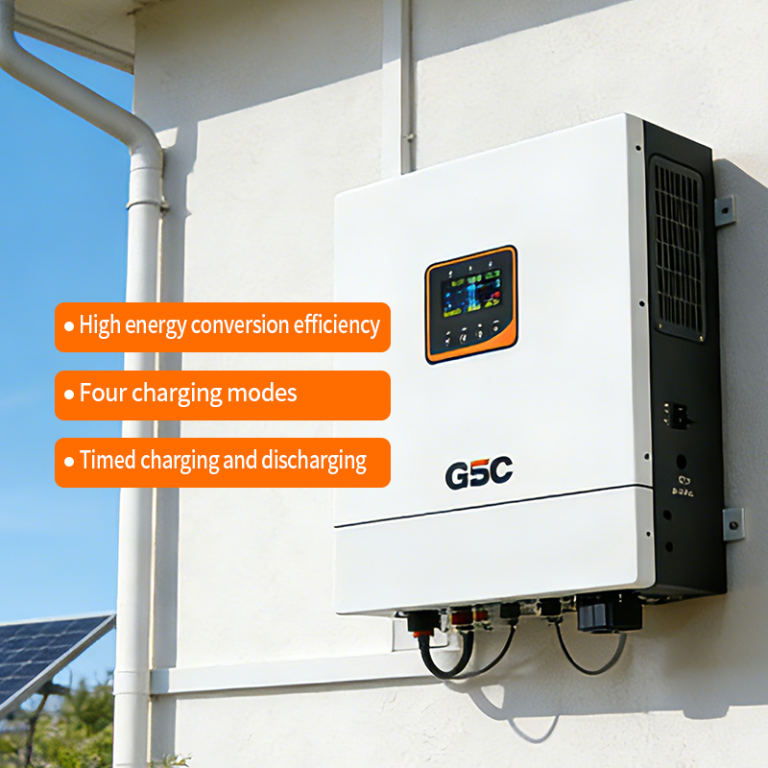
Mi gonna lay it plain: Total Harmonic Distortion (THD) wreck nuh system ef yuh nah plan well. For big homes and small businesses that push power hard, the choice between inverter types, grid coupling, and power electronics changes both upfront cost and long-term reliability. Right away look at a solar battery storage system that pairs robust inverters with tuned battery management — dem combinations cut THD at the source and save maintenance bills later.
Two camps: string/central vs. modular inverters
Comparative insight show two clear camps. Central or string inverters deliver efficiency for large, steady loads but they can concentrate harmonics and raise THD if undersized. Modular or distributed inverters spread the harmonics, improving power factor and lowering THD peaks. The trade-off: modular setups cost more initially but often give cheaper lifecycle costs for high-load sites. Real-world anchor — during California summer heatwaves, sites with distributed inverters handled erratic demand far cleaner than single large inverters.
Battery architecture: DC-coupling, AC-coupling, and BMS tuning
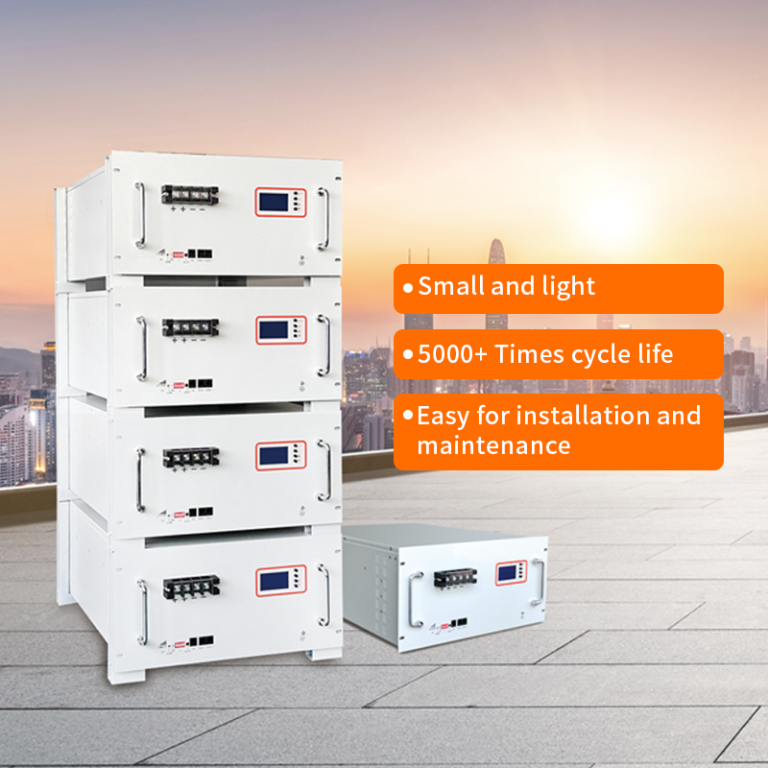
DC-coupled systems reduce conversion stages and thus lower harmonics; AC-coupled systems give flexibility with existing solar arrays. The battery management system (BMS) tuning matters heavy — it governs state of charge (SoC) windows, charge/discharge rates, and how inverters respond to transient loads. For commercial sites with motor loads or HVAC cycling, set tighter SoC thresholds and faster BMS response to damp harmonics. Mi seh, investment in BMS firmware is like buying peace of mind.
Cost picture: CAPEX vs OPEX for THD mitigation
Up-front CAPEX rises when you add harmonic filters, higher-spec inverters, or advanced BMS. But OPEX — repairs, downtime, and premature battery replacement caused by high harmonics — can blow budgets over time. Look at lifecycle math: higher initial spend on quality components often gives lower total cost of ownership for heavy-duty residential or light-commercial installs. Include power factor correction and selective harmonic filters where loads are non-linear, and you get measurable savings.
Installation choices and site realities
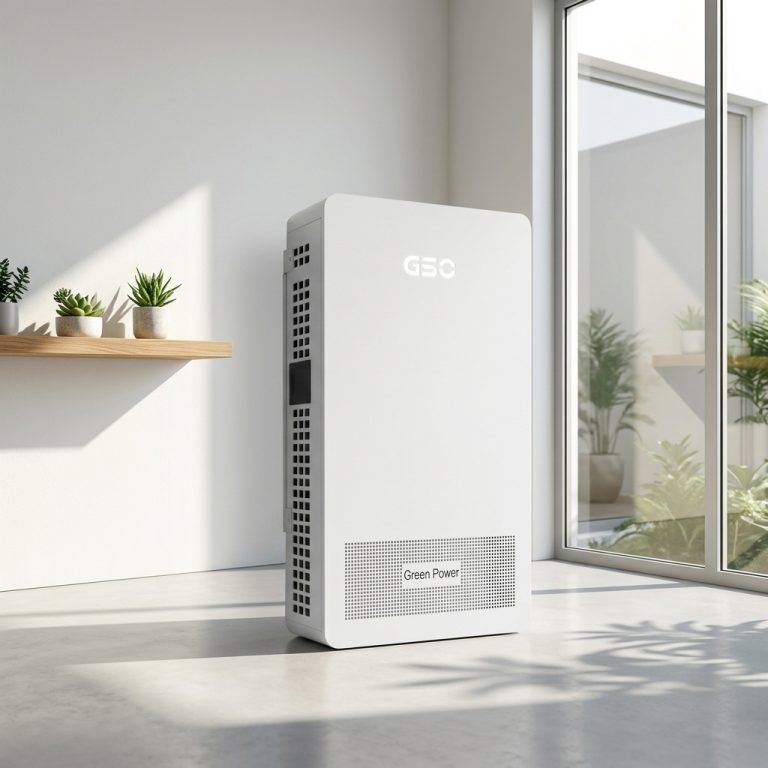
Site matters. Rooftop residential with light variable loads differ from a corner store or co-working space that runs servers and compressors. Choose system topology based on load profile and deploy monitoring that tracks THD, voltage unbalance, and inverter temperature. Add remote telemetry for trending — then you fix small problems before they become big. — Small tweak, big benefit.
Integration with solar arrays and grid behavior
When coupling storage to PV, the inverter strategy affects how harmonics ride onto the grid. For many projects, pairing solar panels and battery storage with coordinated inverter control reduces the stress on both battery cells and the grid intertie. Use coordinated ramp rates and anti-islanding logic so your installation behaves polite when the utility sees voltage swings.
Common mistakes and smarter alternatives
Installers often underspec filters, or they cheap out on inverter oversizing. That saves pennies now, costs thousands later. Smarter alternatives: choose inverters with proven THD performance, use hybrid coupling where appropriate, and validate the BMS control loops against real load traces. Keep records of harmonics and power factor after commissioning — that data guides future upgrades.
Golden rules for choosing the right approach
Pick three metrics as your decision compass: THD under rated load, inverter transient response time, and projected battery cycle life under your site’s SoC profile. Evaluate vendors on those numbers, and demand field data where possible. Remember cost per kWh stored is only half the story — cost per useful cycle matters most for heavy-use sites.
Advisory close
Three critical evaluation metrics: THD performance at peak loads, BMS response and SoC management, and total cost of ownership across expected cycles. Use those to weigh modular inverters versus central, and to decide if upfront harmonic filters pay off. Final thought — systems designed with these metrics tend to last longer and run cleaner, and that practical value is where gsopower fits right in. — practical, proven, straightforward.