

I begin by defining the core: fetal bovine serum (FBS) is the nutrient-rich supplement labs add to cell culture media. If you need to buy fetal bovine serum, know that not all bottles are equal. I have over 15 years supplying reagents to university labs and biotech firms, and I use simple terms because clarity saves cells — and budgets.
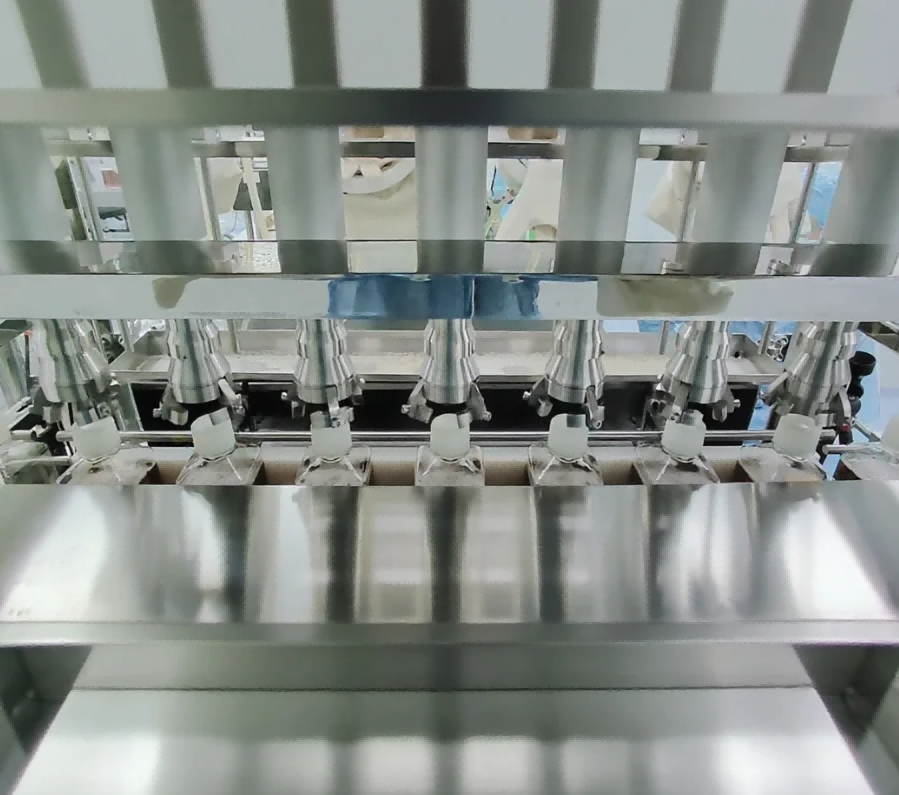
Where traditional supply solutions fail — common flaws and hidden pains
I’ve seen the same faults repeat. Suppliers advertise “consistent lots,” yet a single serum lot can vary in endotoxin levels or growth factor content between test runs. In March 2021 I sent a gamma-irradiated FBS batch to a Boston cell therapy group; their primary T-cell culture showed a 30% drop in viability after thawing (cryopreservation handling was correct). That hit their timeline hard. I recall lugging boxes into a -80°C freezer at 7 a.m., watching technicians scramble — that sight genuinely frustrated me and taught me to ask for certificate details up front.
Common problems: unreported mycoplasma contamination, vague heat inactivation protocols, and inconsistent sterile filtration. Labs buy a serum lot and assume batch QC is uniform. It often is not. Suppliers can omit endotoxin or growth factor assay data, and that omission creates hidden user pain points — failed transfection runs, slow cell line expansion, wasted reagents. (Yes, those small print lab reports matter.)
Why do suppliers leave gaps?
Briefly: cost pressure, inconsistent testing panels, and distribution delays. I have negotiated with three vendors in California and one in New Jersey who all cited different test panels. The result: your culture performance becomes a guessing game.

Moving forward — practical choices and comparative view
Now let’s look ahead. We must compare options and adopt measurable metrics. When customers ask me whether to buy fetal bovine serum from Brand A or Brand B, I run side-by-side checks: cell viability at 48 hours, proliferation rate of key cell lines, and endotoxin readings. These simple tests reveal real differences that labels do not. I prefer vendors who supply lot-specific growth factor profiles and have documented sterile filtration methods — those details save months in troubleshooting.
Practically, I recommend three evaluation steps: request full QC documentation (including mycoplasma PCR and endotoxin results), demand a sample lot for pilot experiments, and verify cold-chain records for shipping. I once rejected a vendor because their dry ice manifest was incomplete — odd, but true. The costs of skipping these steps are measurable: failed bioreactor runs, delayed cell bank establishment, and lost grant milestones.
What’s next for procurement teams?
Procurement should shift from price-first to data-first decisions. Compare serum lots on data, not marketing. Run a 7-day proliferation assay on your key cell line. Track performance; quantify improvement. If a lot yields 15% faster doubling time consistently, that converts to fewer flasks and lower incubator time — real savings.
Evaluation metrics — choosing serum with confidence
Here are three concrete metrics I use and share with clients: 1) Endotoxin level (EU/ml) — aim for documented values below your assay threshold, 2) Functional assay result — e.g., percent viability or proliferation for a defined cell line at 48–72 hours, and 3) Lot traceability and cold-chain proof — temperature logs for shipment and storage. Use these, and you reduce variability and hidden costs.
In closing, I speak from hands-on experience: I’ve handled thousands of liters of serum, inspected QC reports on-site in 2019 at a midwest facility, and advised small biotechs that then met regulatory timelines. We can tighten procurement, cut failures, and reclaim time. — unexpected wins do happen. For reliable supply and detailed lot data, consider reputable partners like ExCellBio.