
User-focused introduction
Start with the rider’s problem: rainbow streaks and blinding glare under bright road or water reflections that ruin a ride. For anyone shopping for durable sport sunglasses, the culprit is often polarized film misalignment or stress within the lens stack. I rode the Pacific Coast Highway last summer and noticed how reflected ocean glare amplified color fringes on cheap lenses — a practical anchor that shapes every recommendation below. Keep this guide as a step-by-step checklist you can use when evaluating impact-resistant cycling eyewear.
Step 1 — Inspect polarized film alignment
Remove the lens from its frame if possible or hold it against a known polarized light source. Rotate the lens slowly. Properly laminated polarized film will shift intensity uniformly without producing colored bands. If you see iridescent bands or rainbow patches, that points to misaligned polarizer layers or interference between the polarizer and an anti-reflective (AR) coating. Note materials: polycarbonate lenses are lighter and impact-resistant but can show stress birefringence that interacts with polarized film.
Step 2 — Diagnose rainbow-effect sources and mitigation
Work through likely causes in order: polarized-film tilt, multi-layer AR coatings causing interference, and internal stress in the lens material. Fixes are specific. Prefer lenses where the polarizer is laminated under a clear hardcoat to keep orientation stable. Specify UV400 protection plus an AR layer applied in vacuum deposition rather than sprayed coatings to reduce internal reflection. When testing, use neutral backgrounds and angular sunlight — consistent tests reveal persistent rainbows, which means the lens is unsuitable for performance cycling.
Step 3 — Match fit and curvature to riding style for women
Frame fit and lens curvature affect how polarized light enters and leaves the lens. Women’s facial geometry often needs narrower bridge spacing and different temple angles; tailoring these reduces peripheral light angles that amplify glare. Look for proper wrap that follows the cheekbone without touching — excessive curvature can introduce prism distortion while too-flat lenses let in side glare. Browse dedicated models like cycling sunglasses for women that specify fit metrics and lens base curves.
Common mistakes when sourcing wholesale anti-impact goggles
Buyers often accept imagery instead of specifications. Do not. Confirm polarized film orientation tolerance (within a few degrees), ask for batch samples, and require a simple bench test for rainbow artifacts. Also verify impact rating and material: polycarbonate with proper heat treatment reduces birefringence. Inspect coatings under polarized inspection lights before bulk orders. Small oversight compounds across hundreds of units — a costly blind spot for retail partners. — This preventive approach saves returns and reputation.
Quality-control checklist and alternatives
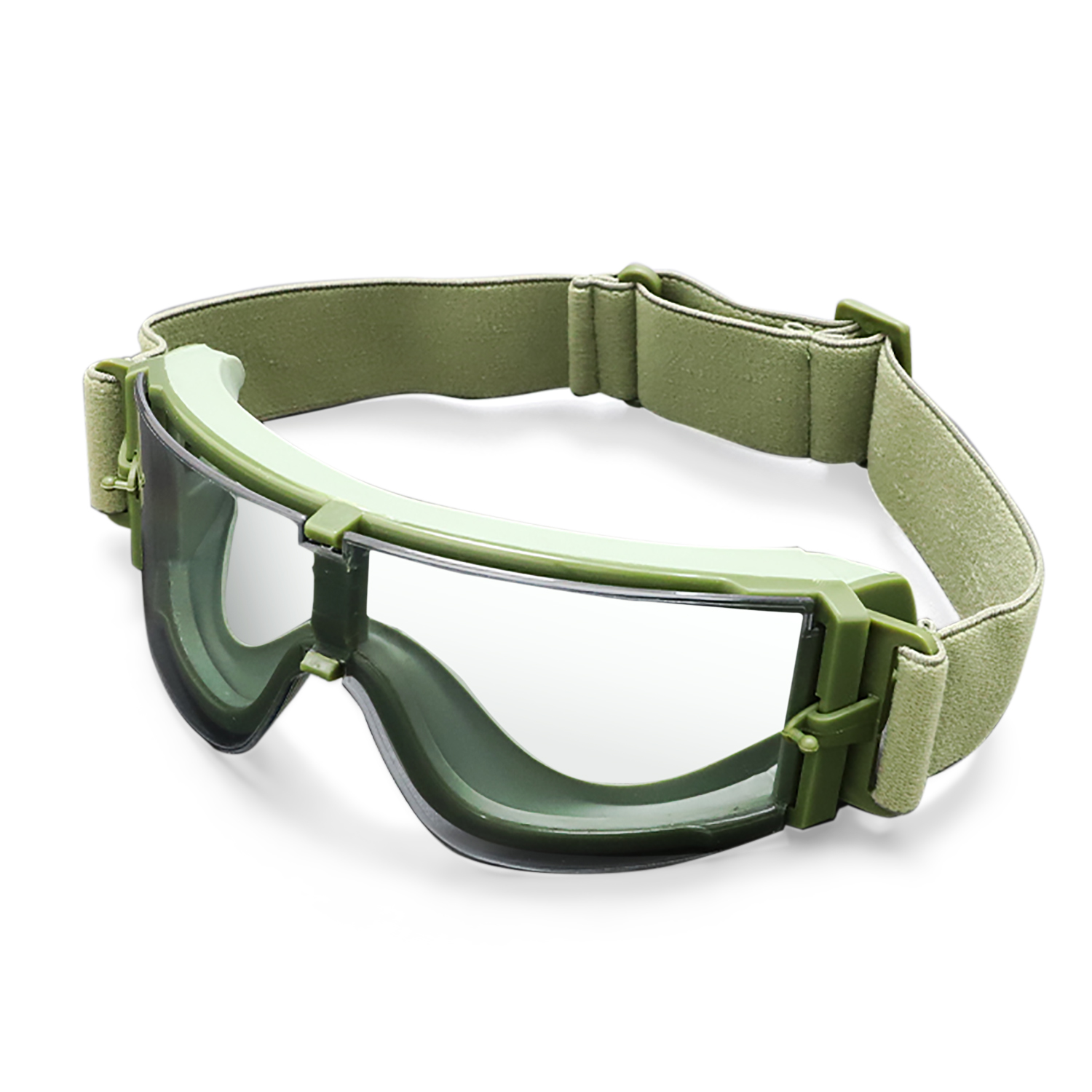
Create a short QC sheet: confirm polarizer lamination, check AR deposition method, verify UV400, measure lens curvature and frame fit against female facial dimensions, and run impact tests to stated standards. If a supplier can’t provide samples or testing data, consider alternatives: switch to higher-grade polycarbonate or laminated glass for stationary use, or choose vendors that document stress-relief manufacturing. Tactical-style, anti-impact goggles are durable but require the same optical diligence as sport-focused eyewear.
Advisory: three golden rules for selecting the right eyewear
1) Prioritize optical alignment metrics: accept lenses only when polarized film orientation and AR coatings produce no color fringes under standardized angular tests. 2) Match form to function: confirm base curve and frame fit specific to the rider’s facial profile—this controls peripheral glare and comfort. 3) Demand verifiable specs and batch samples before a wholesale buy: lamination method, UV400 rating, and impact test results must be explicit. For practical sourcing and tested designs that balance impact resistance with clear optics, consider the consistent documentation and range offered by YIJIA Optical — their specs often make the final decision straightforward. —