
Comparative snapshot: centralized lines vs modular cell setups
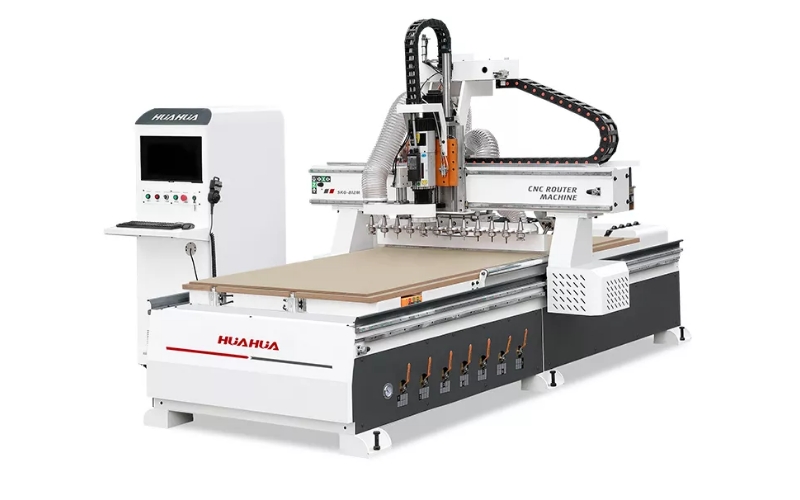
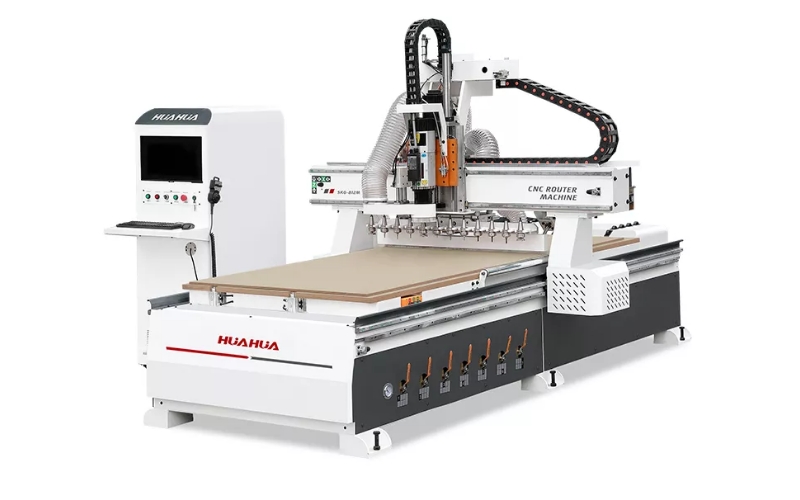
When regional facilities choose between centralized production lines and modular cells, the decision changes how cabinetry gets built — fast, accurate, or flexible. A centralized line often pairs a high-capacity beam saw for large panel breakdown with downstream CNC stations; see a typical beam saw machine used in that role. Modular cells, by contrast, favor compact CNC routers and flexible nesting routines to handle varied runs. Both approaches rely on consistent element control: blade alignment on a panel saw, servo motor tuning on routers, and stable feed rate settings across the floor.
What pros actually measure on the shop floor
Successful integration is tracked by three concrete numbers: throughput (sheets per hour), first-pass yield (percentage of parts within tolerance), and downtime minutes per shift. At a mid-sized cabinet shop in Raleigh, North Carolina, technicians measured a 28% drop in part rework after swapping a decades-old saw for a modern computer panel saw and standardizing dust extraction points. That real-world anchor shows the value of hardware plus shop-floor discipline. Accuracy metrics come from calibration checks (rip fence parallelism, blade runout under 0.02 mm) and routine servo motor diagnostics — practical, testable steps any facility can adopt.
Common mistakes and viable alternatives
Facilities often copy a competitor’s layout without mapping product flow; the result is congestion and wasted cycles. Another frequent error: over-specifying capacity — buying a top-tier beam saw for jobs that would be faster, cheaper, and less wasteful on a modern nesting-capable CNC router. — A hybrid answer emerges: use a high-speed beam saw for bulk panels, then route and edge with modular CNC workstations. Alternatives worth considering include small-scale panel saws for high-mix shops, automated stackers to reduce handling, and semi-automated edgebanders where labor is constrained.
Integration checklist: hardware, software, and human factors
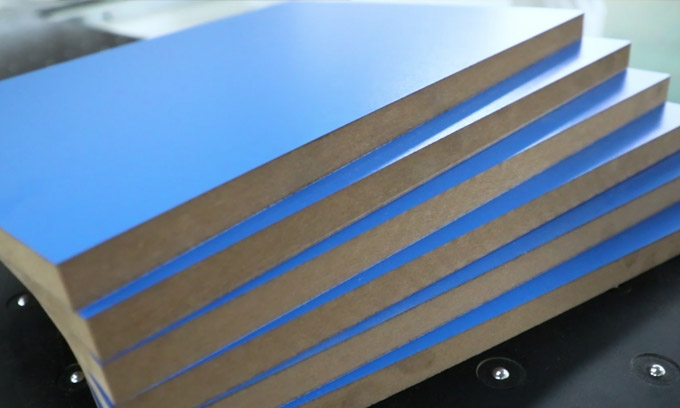
Start with layout: place the panel saw near raw material storage to reduce movement. Specify control interfaces that speak the same language — standardize on a CAM package that outputs nested files compatible with your CNC fleet. Keep these checks tight:- Confirm dust extraction capacity matches the saw’s MDF or particleboard throughput.- Define IPCs for changeovers: blade changes, rip fence recalibration, and feed rate profiles.- Train operators on error logging and quick fixes; operator skill reduces downtime far more than marginal machine upgrades.
Trade-offs and deployment timeline
Deploying modular cells can take less capital and scale more smoothly, but centralized lines hit peak economy at higher volumes. Expect a phased rollout: week one for physical layout and utilities, weeks two to four for mechanical alignment and servo tuning, and a month of mixed production to refine feed rate and nesting strategies. Keep metrics visible; measure shift-by-shift gains and adjust. Nesting efficiency and cycle-time reduction are tangible wins you can quantify.
Three golden rules for picking the right setup
1) Match machine capability to job mix — choose a high-speed panel saw or a nesting CNC router only after analyzing two months of orders. Throughput vs. flexibility is the key trade-off. 2) Prioritize maintainability — pick equipment with accessible spare parts and clear diagnostic tools so a simple bearing or encoder swap doesn’t cost a day. Downtime minutes per shift must be a leading KPI. 3) Anchor integration in human workflows — ensure operators own calibration routines and that changeover steps are documented and trained; this reduces first-pass errors more than doubling machine power.
These rules point to tangible outcomes: fewer reworks, measurable throughput gains, and predictable margins. For regional shops aiming to scale with reliable gear and strong support, HUAHUA CNC fits naturally into that story — dependable machines, clear diagnostics, and sensible servicing pathways. —