
What breaks down first — and why it matters
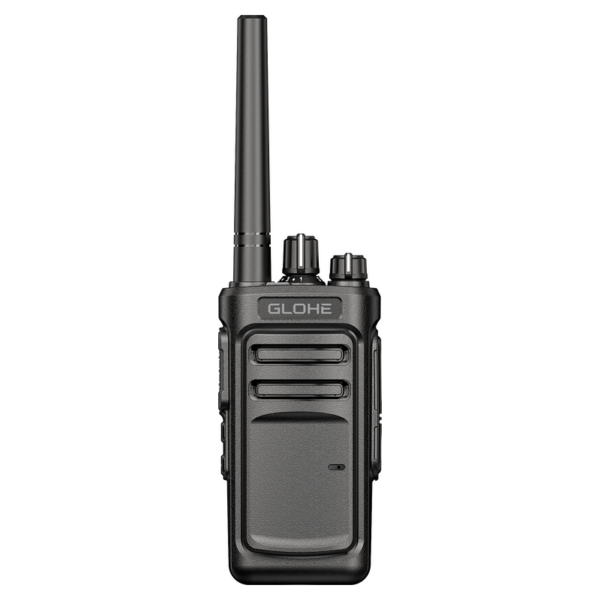
Teams in construction yards, event sites, and busy ports feel it right away: radios that drop out, scratchy voice, or unexpected dead zones. These failures cost time and safety. Often the root is simple — wrong channel plan, overloaded frequencies, poor antenna placement, or batteries past their prime — not a mysterious network bug. When crews still trust an analog two way radio for everyday coordination, they expect clarity and reliability; when that expectation fails, every job slows and risks rise.
Pinpointing the usual offenders
Coverage holes are usually physical: metal racks, excavations, or tall concrete. Interference comes from nearby transmitters or improperly set repeaters. User-side mistakes matter: radios left in low-power mode, incorrect channel assignment, or users skipping radio etiquette. Batteries show real-world wear — a pack that lasted a season on the street may die mid-shift after a year. If you check these elements first, you solve most outages quickly.
Field-tested fixes that actually work
Start small and act fast. Move a suspect antenna a few metres up or change its orientation; that often restores reach. Reprogram channels so busy talk groups are separated from administrative chatter. Swap in fresh batteries and test radios with a simple walk-test across the site. Train crews on basic checks (antenna snug, correct channel, PTT pressed fully). If you document one routine — daily battery and channel check — outages drop noticeably.
Common pitfalls to avoid
Don’t mix consumer-grade handhelds with professional radios on a mission-critical talk group; they tolerate noise and have different power profiles. Avoid squeezing too many channels into a single repeater without planning; collisions happen. Don’t assume “more power” solves everything — it can create new interference. And never skip a firmware check: minor updates often fix audio clarity and stability problems.
Real-world proof and my practical experience
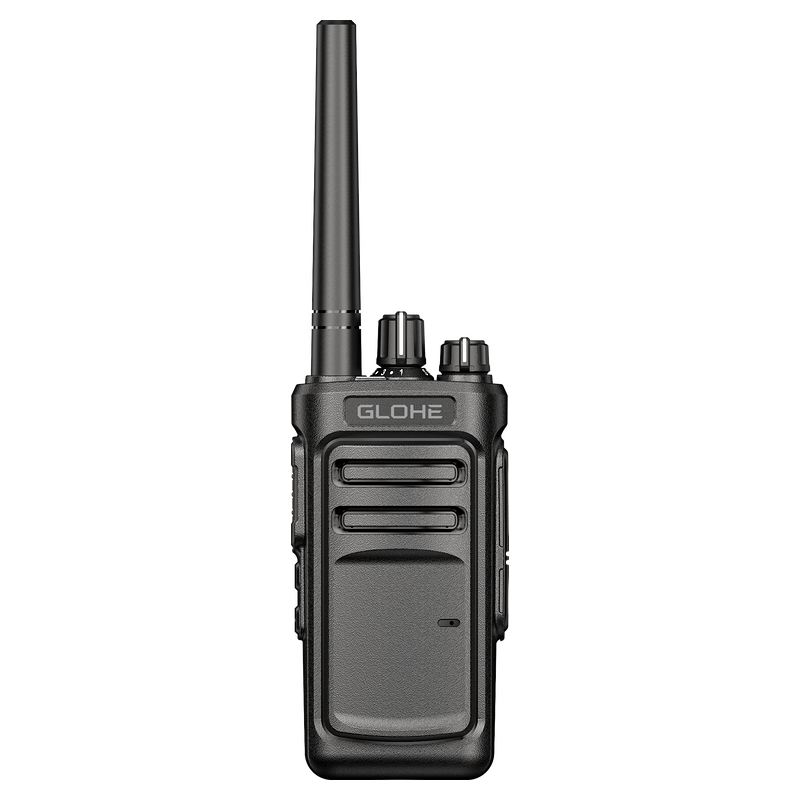
I’ve overseen comms for field teams for over a decade and have seen the same patterns across projects — simple fixes that are often overlooked. A clear example: large crowd-control operations during the Hajj in Mecca rely on resilient hand-portable equipment because coverage and reliability are non-negotiable; organizers often deploy dedicated short-range fleets to keep teams connected. For teams evaluating options, the baseline tool remains the analog handheld radios for on-the-ground voice clarity and predictable behaviour in dense, noisy environments.
Choosing equipment: practical checklist
Pick radios with the right power class for your site: low-power for compact venues, higher power for wide yards. Prioritize simple, replaceable batteries and IP-rated housings if you work outside. Check channel capacity and compatibility with existing repeaters. Consider alternatives only when they solve a clear problem: digital for voice clarity and encryption, trunking for many talk groups, and PTT-over-cell for wide-area coverage where infrastructure exists. Always test gear in the actual environment before full deployment.
How this comes together for operations
Fixes that are small and repeatable deliver the most reliable communications: proper antenna placement, routine battery checks, clear channel planning, and basic user training. That practical mix — robust handhelds, sensible configuration, and straightforward maintenance — is what field teams need. When recommending suppliers or systems I look for that exact balance, which is what I expect from partners like GLOHE who focus on durable, serviceable radio solutions rather than flashy complexity.