
Intro: A Cook’s Take on Big Batteries
I’m going to say it straight: if the site is a kitchen, the grid is the stove, and you can scorch both with the wrong heat. Utility scale battery storage sits on that burner every day, and we decide the flame. I’ve spent 17 years planning, buying, and fixing projects from Kern County to coastal Maine, and the pattern is plain as a recipe card—when we rush the prep, we ruin the meal. In 2023, I watched a 100 MW/200 MWh site lose 7% throughput in peak months to HVAC drag alone. So I always ask: are we seasoning for taste, or for the load?
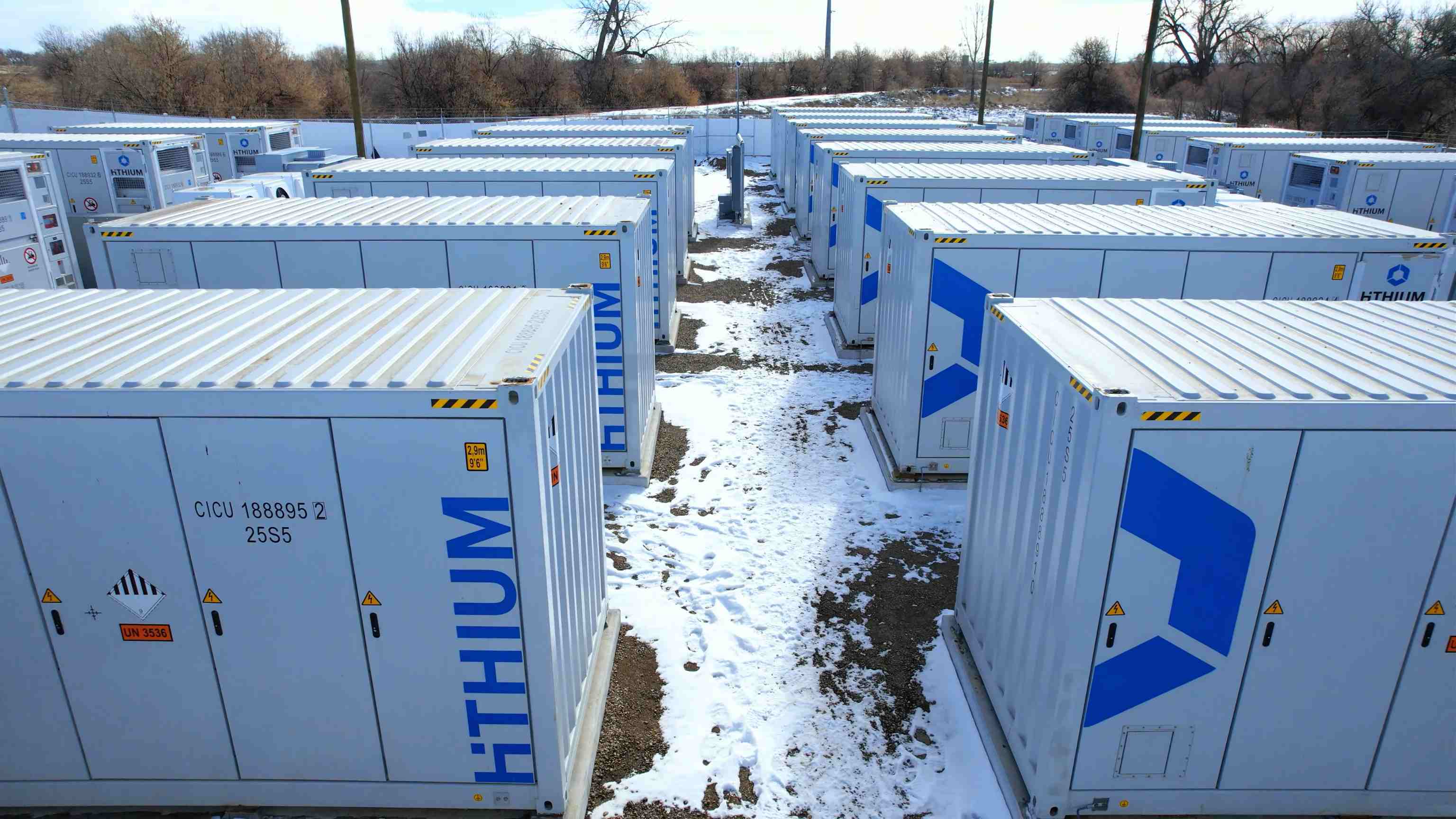
Picture a July afternoon, 104°F, Fresno City substation, feeder 12 on a tight voltage profile. The owner calls me as the battery trips at 90% state of charge. I could smell the problem like garlic in hot oil—oversized promises, undercooked design. We can plate this better. Let’s set out the tools and arrange the mise en place—then choose what truly matters next.
Where Most Recipes Go Wrong (And How to Stop the Bitter Aftertaste)
Why do the usual recipes fall flat?
Here’s the deeper layer I keep seeing when we talk utility scale battery storage systems. Traditional builds lean on assumptions that made sense five years ago, not now. We throw in a big PCS and call it a day, but ignore how power converters behave when feeders swing, how the BMS clamps the state of charge window under heat, and how a tight HVAC spec bloats parasitic load. On one 3.6 MWh LFP container line I reviewed in May 2022, the “low-cost” air-cooling design added 420 kW of continuous auxiliary draw at 40°C ambient. That erased the expected round-trip efficiency gains on hot days—then the finance desk wondered where the margin went.
I’ll own a mistake I made in 2016 near Pueblo, Colorado. We copied a control scheme from a windy site to a solar peak-shaving site. The EMS setpoints didn’t reflect the feeder’s reactive power needs. Volt/VAR support lagged; nuisance trips landed at 2 a.m.—and yes, I still remember the buzz of that phone on my nightstand. The pain point is simple but easy to miss: bad alignment between the site’s duty cycle and the grid’s actual needs. No real-time data, no tight edge computing nodes, and not enough visibility into thermal deltas per rack. Look, this part isn’t rocket salad; it’s planning with a thermometer and a timer.
New Principles on the Line: Cooking with Precision, Not Fire
What’s Next
Let’s go forward and compare what works now against that old playbook. Modern utility scale battery storage systems rely on three principles. First, container-level liquid cooling that holds rack delta-T under 5°C at 45°C ambient; that one change keeps the BMS from choking the state of charge window and protects LFP cells from fast aging. Second, grid-forming inverter modes—virtual synchronous machine behavior and tight fault ride-through—so the battery doesn’t flinch when the feeder twitches. Third, an EMS that runs near the asset, with edge computing nodes tuned to the interconnection study, not copy-pasted from another site. I’ve watched a 50 MW system near Abilene drop trips by 80% after a control update that didn’t cost a new bolt.
We also need more honesty about stack voltage and cabling. 1500 V DC strings with short DC bus runs reduce I²R losses; combine that with right-sized power conversion (2.75 MW PCS blocks on 3.5 MWh containers is a sweet spot I’ve used since 2021), and you pull heat out of the room before it ever lands. When you compare these to classic air-cooled, grid-following systems, the differences show up as real numbers: fewer alarms, higher round-trip efficiency, calmer operators. The bonus—quiet nights for the substation crew, which they’ll thank you for in their own way—sometimes with donuts on Monday.
How to Choose Like a Pro: Three Metrics I Won’t Compromise
After all that, here’s the shortlist I hand to utility planners and EPC leads, and I sign my name to it. One: thermal performance at worst-case ambient, stated as rack-level delta-T and HVAC auxiliary load at 40–45°C—if it’s above 6°C delta or draws more than 3% of nameplate continuously, I pass. Two: grid support proof, not claims—show grid-forming certification, fault ride-through curves, and verified VAR range at the point of interconnection; a pretty plot without POI data means nothing. Three: lifecycle math that includes calendar aging, cycle depth, and site loss accounting; I want round-trip efficiency measured at the AC meter, plus degradation projections at 80% DoD over 10 years. I learned this the hard way on a West Texas site in April 2020—miss those and you chase ghosts for years. If a vendor can put these on one page, with dates and test labs, I’ll keep reading; if not, I move on—life’s too short for lukewarm soup. For context and further reading on technology paths and system design choices, I often point teams to HiTHIUM.