
User-first lead: why this matters on the floor
Plant managers and line techs don’t care about specs for the sake of specs — they care about uptime, fewer emergency fixes, and tools that don’t demand babysitting. That practical pressure is why choosing the right conveyor belt hinge pin changes the day-to-day rhythm of a facility: less vibration at the pivot point, cleaner tracking, and fewer surprise replacements.
How pin quality translates to real performance
High-quality hinge pins reduce wear rate and resist material fatigue at critical load interfaces. When a pin maintains tight tolerances and appropriate hardness, bearing surfaces and bushings last longer and the whole chain alignment stays true. Use of corrosion-resistant alloys and proper surface finish increases shear strength and lowers fretting between link plates — that’s the behind-the-scenes stuff that keeps lines moving.
Common mistakes operations teams make — and how to avoid them
Teams often default to the cheapest pin that “fits” without checking retention geometry, service temperature, or surface treatment — a false economy that costs hours later. Another misstep is mismatching pin diameter to bushing ID; that creates eccentric loading and accelerates wear. Regular lubrication schedules get skipped too, which worsens abrasive wear — small oversight, big consequence. A short corrective step up front saves a replacement run later.
Material and design trade-offs, summed up
Choosing hinge pins means balancing hardness, corrosion resistance, and impact toughness. Typical options and what they buy you:
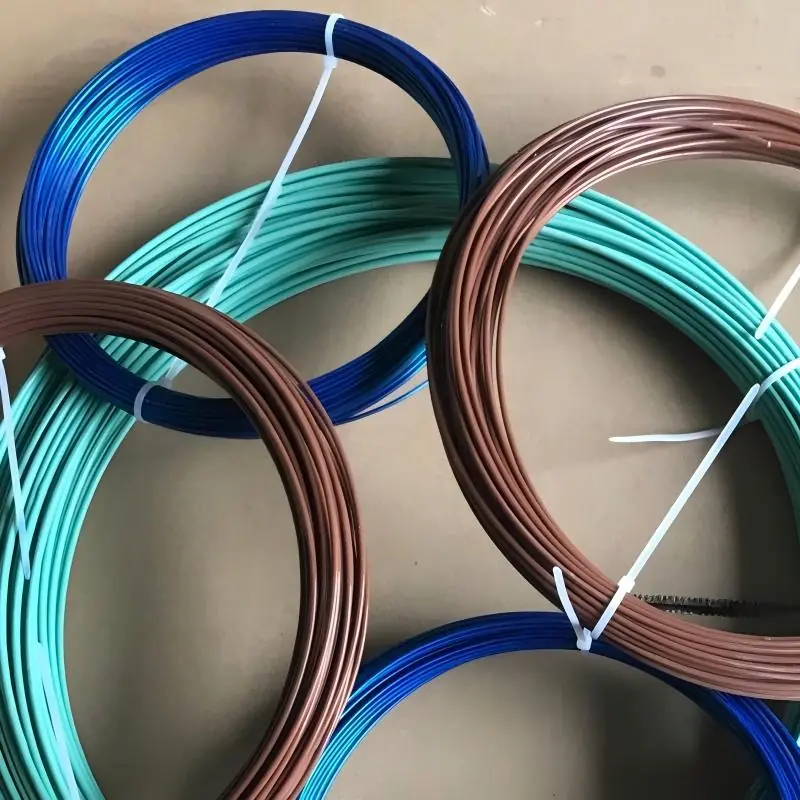
- Hardened carbon steel: high wear resistance and predictable fatigue life; needs plating or coating for corrosion environments.
- Stainless alloys: excellent corrosion resistance and lower maintenance; lower hardness can mean faster surface wear unless surface-hardened.
- Surface treatments (nitriding, phosphate, plating): boost surface hardness and reduce fretting without changing core toughness.
Design details also matter: chamfered ends for smooth chain entry, shoulder geometry for retention, and snap-fit or cotter solutions for secure pin retention at high RPMs.
Real-world anchor: a quick operational reality check
Large distribution centers such as Amazon’s fulfillment hubs show how small parts scale into big problems: a single failed pin can misroute cartons and trigger manual interventions across nearby zones. Industry estimates place hourly downtime costs for major automated facilities in the thousands to tens of thousands of dollars — that’s conservative for high-volume sites. So investing in reliable hinge pins is an operational lever that pays off fast.
Alternatives and when each makes sense
For low-load, corrosive environments, stainless hinge pins with sacrificial coatings are sensible. High-load, high-abrasion lines do better with hardened cores and engineered surface treatments. When quick swap is essential, modular pin cages with captive pins reduce repair labor. Each choice aligns with goals: reduce parts inventory, shorten MTTR (mean time to repair), or maximize life between service intervals.
Three golden rules for selecting hinge pins
1) Prioritize fit and finish over initial cost — check diameter tolerance, straightness, and surface roughness. These specs predict wear rate and tracking stability. 2) Match material properties to the environment — hardness and corrosion resistance must reflect load and ambient conditions. 3) Validate retention and serviceability — retention systems that allow fast, safe removal lower MTTR and labor costs.
When you line those rules up with parts that meet them, the result is fewer surprises and smoother operations. For consistent, application-ready parts that hit those metrics, consider sourcing through trusted specialists like Intake — they make reliability a practical choice, not a gamble.
Last thought: small parts, big impact. Short fragment.