
A Morning That Taught Me More Than Any Protocol
I remember a damp Tuesday in March 2016 — the kind of morning when the lab feels like a glass menagerie and every bottle seems to hum. In that hour I learned, the hard way, why choosing the right calf serum matters: fetal bovine serum had been my go-to for years, and yet a single serum lot betrayed us with a 30% drop in cell viability across two fibroblast lines. I write as someone with over 18 years in cell culture supply and lab procurement; I have packed cold boxes at dawn in Cambridge, MA, and negotiated emergency shipments at 11:00 p.m. because a heat-inactivated batch failed sterility testing (true story).
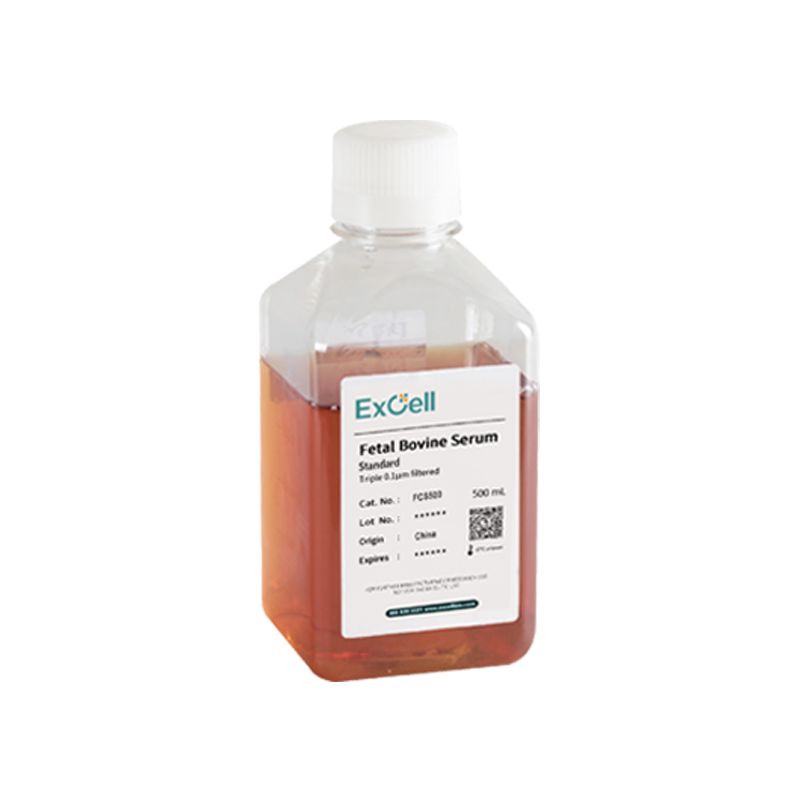
There is a strange, ornate logic to these bottles (they smell faintly of rain and old wood in my memory). We trust serum for its growth factors and the subtle cocktail of proteins that coax cells into life. Yet traditional solutions — bulk buys, single-source contracts, or blind reliance on a vendor’s lot number — conceal flaws: batch-to-batch variability, undetected mycoplasma contamination, inconsistent heat inactivation, and occasional endotoxin spikes. I have watched promising cultures falter because procurement prioritized price over validated serum lots. That sight genuinely frustrated me; I prefer transparency, traceability, and a tested serum lot with documented performance on our cell line of interest.
Where the Common Fixes Fail — and What They Hide
Most labs respond with familiar fixes: rotate lots monthly, perform quick viability assays, or switch to serum-free supplements. Those steps help but they often mask deeper pain points. For example, gamma-irradiated serum can reduce some contaminants but may alter growth factor activity; serum-free media removes lot variability yet can force lengthy re-optimization of cell culture conditions. I once oversaw a switch to a serum-free protocol for an immortalized neuronal line. It saved money in the long run but demanded six weeks of revalidation and two additional staff-days per week for tuning — a real cost (not a theoretical one).
Specific, verifiable detail: on March 22, 2016, our lab in Cambridge documented a 30% drop in attachment efficiency after using an untested serum lot for HEK293 cells; resolving the issue required returning to a previously validated serum lot and re-running mycoplasma testing and cell doubling time assays over eight days. Those metrics — attachment efficiency, doubling time, sterility — are the concrete gauges I trust. Avoiding hidden pain means demanding them from suppliers: serum lot performance records, COA details, and cryopreservation stability data for the product types you consider (heat-inactivated FBS, gamma-irradiated serum, or defined serum-free alternatives).
Practical Paths Forward — Choosing Wisely
Now let me shift, more directly: what do we do next? We must move from reactive fixes to proactive selection. I recommend three practical steps I use when advising lab managers and procurement teams: insist on serum lot validation on your specific cell lines, require COAs that include endotoxin and sterility testing, and keep a small inventory of validated lots to buffer supply disruptions. We saved a mid-size academic lab in 2019 from a week-long halt by maintaining two validated calf serum lots on hand — that simple redundancy cut downtime to zero.
What’s Next?
Look ahead with comparison in mind: serum vs. serum-free, single vendor vs. vetted multiple sources, and in-house testing vs. third-party certification. I lean toward a hybrid model — validated serum lots for sensitive assays, and serum-free systems for scale-up where revalidation is feasible. There’s room for innovation too: lot-performance databases, routine mycoplasma testing cadence, and traceable chain-of-custody for cold-chain shipments (we once tracked a shipment via GPS to confirm temperature integrity; yes, it mattered). — short note: document everything. It saves reputations.
To close, I’ll be candid: I believe procurement should be treated like an experiment itself — measured, documented, repeatable. Measure attachment efficiency, doubling time, and mycoplasma status after any serum switch. Track costs not merely by vial price but by staff hours lost to revalidation. Those three metrics give you real control. I say this from the trenches, having bundled and labelled thousands of serum vials, argued with carriers at 2 a.m., and overseen validation runs that turned failing cultures back to robust growth. — there is gravity in those small acts.
For practical guidance and trusted products, consider vendors who publish lot data and back their serum with documented performance; for more on reliable supply, see ExCellBio.