
Introduction — a quick question that matters
Have you ever watched a city bus sigh into a depot and thought: are we charging time or wasting it?
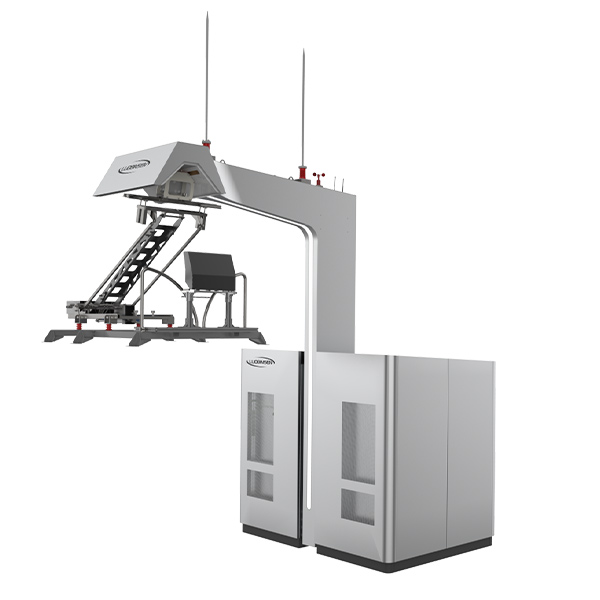
In many urban systems, a pantograph charger sits above the vehicle and makes top-down contact to refill batteries in minutes, not hours. I’ve looked at fleet logs where dwell time eats away service hours — some reports show up to 15–25% of scheduled time lost to charging windows (not trivial). So what does that gap mean for operations, for drivers, for riders — and how should we rework charging plans to change outcomes?
I’ll approach this like an engineer who also asks why: we need data, but we also need the right questions. Over the next sections I’ll dig into the pain points of current systems, then weigh new approaches and metrics that matter. Let’s move from the obvious to the subtle — the part that decides whether a fleet thrives or just survives.
Where the old ways trip up — a technical look
pantograph ev charging is often presented as a simple swap: replace slow plug-in stops with overhead fast hits and the problem is solved. But the truth is messier. I’ve spent hours on depot floors watching integration failures: mismatched power converters, DC bus instability during peak recharges, and control software that can’t talk to the fleet management system. These are not small annoyances; they cascade into missed routes and angry commuters.
On top of that, thermal management is often ignored. Rapid high-current sessions heat batteries and power electronics. If you don’t account for thermal cycles, you shorten battery life — and that hits operating cost, big time. Edge computing nodes at the charger can help, sure, by running local diagnostics and smoothing current flow. But only if the firmware and the asset managers are aligned.
What’s the hidden user pain?
Look, it’s simpler than you think: drivers and depot techs face routine friction. A driver expects a reliable top-up during a layover; techs expect predictable fault logs. Instead they get alarms that mean little, or ever-changing connector tolerances. I’ve felt that frustration myself — standing in a depot while a charger repeats a handshake cycle. The systems are viable, but the human experience is rough. That mismatch is the real failure of many classic approaches.
Forward view — how to choose and what to build next
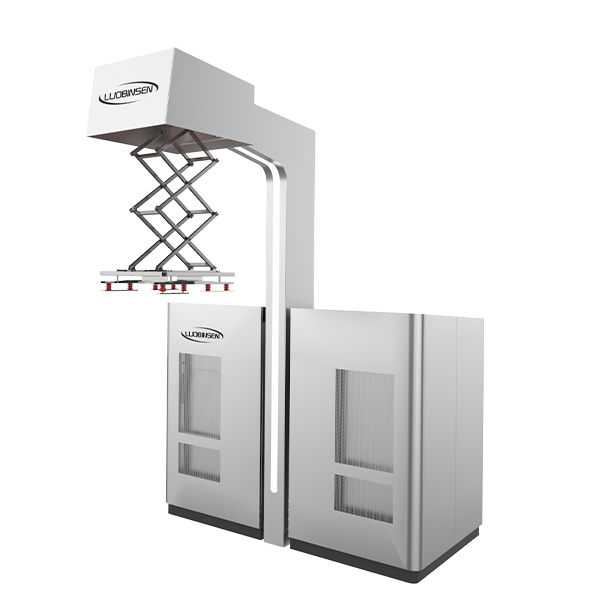
When I step back, I favor a pragmatic blend: robust hardware design plus smarter software orchestration. A modern pantograph charging solution should be built around modular power stages, clear comms (authenticated CAN or Ethernet), and predictive scheduling. That means the charger talks to the depot scheduler and the vehicle BMS in plain terms — not cryptic error codes. It also means we design for load balancing across chargers so no single unit becomes a bottleneck.
There are real principles to follow: standardized contact geometry for reliable contact, staged power converters for gentler battery stress, and on-site telemetry that feeds edge computing nodes for local decision-making. These elements reduce surprises. — funny how that works, right? And they let fleets use shorter, more frequent charging pulses without degrading battery health.
What’s next for operations?
Think of pilots that measure three things: effective service uptime, battery cycle cost, and mean time to repair. Run them for a season, then scale. In my view, the goal is measurable improvement, not flashy specs. Compare systems on real metrics, and you’ll avoid shiny-but-expensive mistakes.
Closing — how to evaluate and decide
I’ll leave you with three clear evaluation metrics I use when advising fleets. First: delivered uptime — the share of scheduled miles actually covered after integrating chargers. Second: lifecycle cost per kWh delivered — that folds in battery wear, power conversions, and maintenance. Third: operational clarity — how easy is it for drivers and techs to get a consistent result without calling an engineer at 2 AM. Use those three and you’ll cut through vendor claims.
I believe practical choices beat theoretical bests. We can build resilient, human-friendly charging systems if we design for people and performance together. If you want a reliable partner to discuss implementation and pilots, check out Luobisnen — they’ve been in the field and know what works, not just what reads well on paper.