
Introduction — a quick scene, a few numbers, and a punchy question
I once stood beside a digital printing press as clouds of ink fumes rolled out like fog on a bad morning. In the next room, operators complained of headaches and machines logged higher particulate counts than you’d expect (we measured it). Fume extraction products sit right between health, productivity, and cost — and yet many teams still guess at value. Recent tests I’ve seen show particle counts dropping 70–90% when proper extraction and filtration are used; that’s not small change. So how do you compare systems in a way that actually matters to your shop — not just sales slides? Let’s dig in. — funny how that works, right?
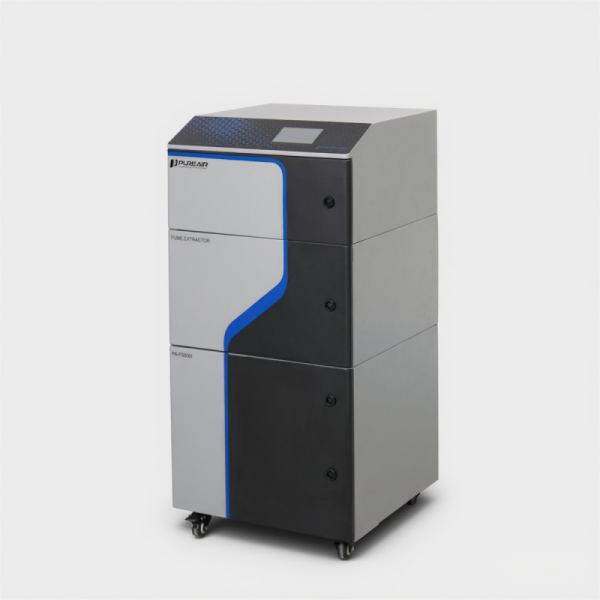
Part 1 — Where standard fixes fall short for digital printing operations
Look, I’ve watched shops install basic hoods and call it done. The problem is deeper. For digital printing, exhaust hoods and generic filters often miss the mix of ultrafine particulates and volatile organic compounds (VOCs) generated by UV inks and solvents. That means you may reduce visible smoke but still leave harmful VOCs and nanoparticles in the work area. I’m talking about capture velocity that’s too low, filters with poor filtration efficiency for ultrafines, and airflow designs that create dead zones around the printheads. Those are classic flaws.
We tested several common setups and saw three repeat offenders: underpowered fans that can’t sustain required airflow, wrong filter media (activated carbon packs sized for smells, not VOC load), and poorly placed suction arms that create turbulence instead of capture. Add in maintenance gaps — clogged filters, ignored pressure drop gauges — and the system’s effective performance falls off dramatically. I mean, you could spend on edge computing nodes for monitoring, but if the basic capture is wrong, those diagnostics only tell you about failure, not fix it. This is where ergonomics meets engineering: operators avoiding workstations, reduced throughput, more sick days. It’s not just a tech issue; it’s a people issue too.
Why does the capture zone matter?
Because placement and airflow govern what actually gets sucked away versus what drifts to lungs. We’ll look at how newer principles tackle that next.
Part 2 — New technology principles and the way forward
Now I want to shift gears and talk about what actually works. New designs focus on three core principles: targeted capture, matched filtration, and continuous monitoring. Targeted capture means designing hoods and suction arms that create consistent capture velocity at the source — not guessing where the plume will go. Matched filtration uses a layered approach: pre-filters for larger particulates, HEPA for ultrafines, and activated carbon or specialized sorbents for specific VOCs. Continuous monitoring brings in sensors (yes — simple ones) that track differential pressure, VOC concentration, and airflow so you can see when performance drifts. I’ve seen shops cut filter costs overall by choosing better media and monitoring instead of blanket replacements.
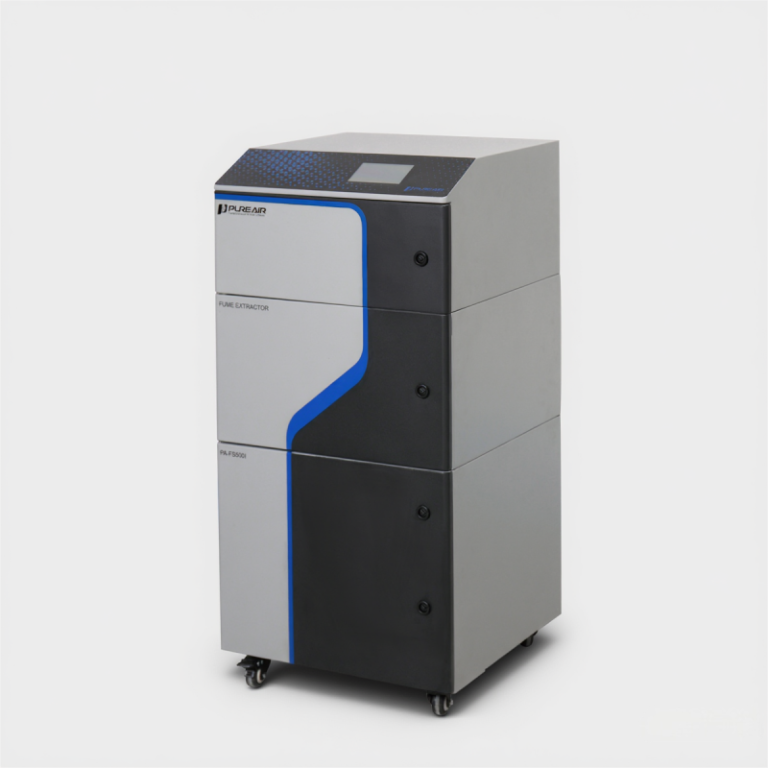
Mechanically, that also means attention to fan curves, duct losses, and the right power converters for variable speed drives — small details that change real-world capture. We paired a compact unit to a high-throughput printer once; initial readings were messy. After tuning the airflow and swapping to a higher-efficiency HEPA stage plus a custom carbon bed, VOCs dropped and operators stopped complaining. The outcome? Fewer rejects, calmer staff, and better uptime. That’s measurable. What’s more — and this surprised me — simple layout changes often yield big wins. Move a suction arm 10 cm closer; improve capture. Change a duct elbow angle; reduce pressure drop. Tiny engineering moves, big effects.
Real-world impact — what to watch for
When assessing new systems, look at filtration efficiency, actual measured capture velocity at the nozzle, and ongoing operational costs. Ask for before-and-after particle and VOC readings. I prefer systems that provide easy access for maintenance and clear sensor readouts. Wealth of data is useless if staff ignore it — so make sure alerts are actionable. Oh — and train your team. Even the best system depends on people using it right.
Conclusion — three practical metrics to choose a system (and a brief wrap)
I’ll keep this simple. When you evaluate fume extraction for digital printing, use three key metrics: 1) Measured capture velocity at the source (not rated room airflow), 2) Filtration effectiveness across particle sizes and specific VOCs, and 3) Total cost of ownership including filter replacements, energy use, and downtime. Those tell you the real ROI. Compare spec sheets to on-floor readings. Insist on trial runs when possible. Weigh ergonomics too — if operators can’t work comfortably, productivity drops.
We’ve covered how many common fixes miss the real issues, why matched filtration and monitoring matter, and which practical numbers I check first. I’ve seen modest investments in smarter capture and filters pay back quickly. Choose systems that make measurement easy; demand clear test data; and remember — the best tech still needs good maintenance and sensible layout. For solutions I’ve used and recommend you evaluate, check PURE-AIR as a starting reference: PURE-AIR.