
Introduction
Have you ever set up an experiment and later wondered why the signal looked wrong? In neuro research, small setup choices can shift conclusions — and I’ve seen this play out in multiple labs I work with. (Picture a busy bench, a tangled optical fiber, and a clock ticking while data rolls in.) Recent internal audits and conversations suggest that subtle errors—alignment, light leakage, or bad calibration—show up far more often than we admit. So what exactly breaks down between a tidy protocol on paper and messy, low-signal results on the rig? I’ll outline what I’ve learned, cautiously and with examples, then move into practical fixes and forward-looking options.
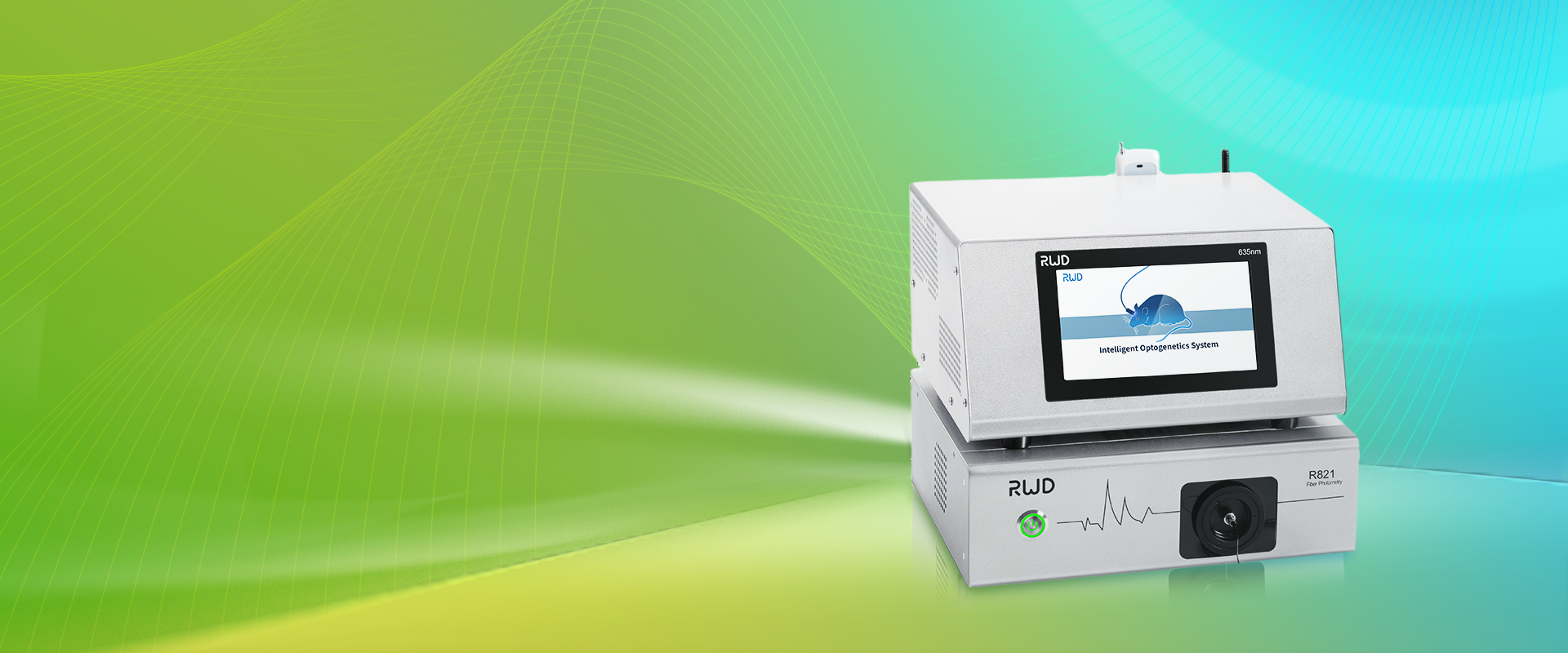
Traditional Solutions and the Hidden Flaws
fiber photometry system setups often arrive with a default checklist: align the optical fiber, mount the photodetector, choose a fluorophore, and start recording. On paper that’s fine. In practice, I find three recurring problems: inconsistent coupling, uncorrected background fluorescence, and motion artifacts that corrupt the signal. These are not mysterious — they stem from everyday choices: how the optical fiber is routed, the age and sensitivity of photodetectors, and whether someone calibrated the lock-in amplifier or sampling rate before the animal woke up. Look, it’s simpler than you think: a bent fiber or loose ferrule can drop your signal-to-noise ratio by half, and no amount of post-hoc filtering truly restores the lost photons.
Why do these mistakes persist?
Partly because standard fixes feel like checklist items rather than engineering tasks. Labs rely on quick fixes: tape the fiber down, swap a LED, increase gain. Those steps change the dynamic range and often push you into saturation or amplify noise. I often call out the reliance on single-point calibration as the culprit — you calibrate once at rest, then expect the system to behave through hours of behavior and temperature drift. The result: calibration drift, unstable baselines, and misinterpreted GCaMP transients. You can blame cheap connectors or software defaults, but the root cause is process: we tolerate small sloppiness until it becomes a hard-to-explain artifact — funny how that works, right?
Case Example and Future Outlook
What happens when you replace that tolerance with design thinking? I worked on a comparative test across three labs, swapping one variable at a time in the fiber photometry system. We upgraded to low-noise photodetectors, standardized optical fiber routing, and introduced periodic in-session calibration pulses. The result: clearer baselines, fewer false positives during movement, and more consistent peak detection. This was not magic — it was iterative engineering: better connectors, consistent sampling rate, and a simple light-shielding hood reduced background fluorescence and motion coupling. The improvement in signal reliability was measurable and repeatable across setups.
What’s Next?
Looking ahead, two trends will shape practical choices. First, modular hardware — quick-swap fiber ferrules, integrated photodiode boards — lets labs test components without tearing the rig down. Second, smarter acquisition software that flags sudden baseline shifts or improbable SNR changes can save hours of post-hoc detective work. I’m excited by hybrid approaches: combine small mechanical improvements with simple real-time checks, and you get outsized gains. We can’t fix every historical bad habit overnight — but we can prioritize a few metrics and watch them change experimental quality fast.
Practical Takeaways and Evaluation Metrics
So how should you judge a solution? Here are three evaluation metrics I use when choosing equipment or workflows — and I urge you to measure them early and often:
1) Signal-to-noise ratio under realistic behavior: measure during the task, not just on the bench. This captures motion coupling and real background fluorescence.
2) Calibration stability over session time: test baseline drift over several hours and quantify how frequently you need to recalibrate.
3) Component modularity and repairability: can you swap a ferrule or photodetector without custom machining? If not, downtime will kill reproducibility.
I’ll close by saying this plainly: I prefer straightforward fixes over flashy promises. When labs focus on these three metrics, the typical artifacts that used to derail experiments become manageable. If you want a dependable starting point, check solutions from groups integrating good design with practical support — and consider the small changes first. — and yes, sometimes the simplest tweak yields the largest payoff. For tools and support, I look to partners like BPLabLine.