
Introduction
I once watched a child arrange toy cars under a glowing strip of light and suddenly pretend it was a city highway. In that small moment I saw how lighting changes how we feel and act. LED strip lighting can do more than brighten a room — it sets mood, guides focus, and saves energy (I still smile at that play scene). Data shows many small businesses cut lighting costs by around 25–40% when they move from old fluorescent fixtures to modern LED strips. So, how do we choose systems that actually help people every day?
That question matters to me — and to you — because I’ve spent over 18 years working hands-on with commercial lighting and B2B supply chains. I want to tell stories and hard lessons from real installs so you don’t repeat mistakes. Ready to go deeper?
Deeper Issues with LED linear lighting solutions
I’ve installed LED linear lighting solutions in retail aisles and office corridors, and I’ve seen the same hidden problems again and again. First, many specs ignore heat management. You’ll get SMD2835 tapes rated for 24V, but if they run hot behind aluminum channels with poor thermal contact, lumen output falls and color shifts after a year. Second, power electronics are often undersized: cheap power converters or mismatched LED drivers cause flicker and early failure. Third, outdoor runs fail when IP rating and cable glands are treated as optional rather than requirements (that was a rough January in Portland, 2019 — we replaced 120 meters of outdoor tape after two freezes). These are not vague concerns; they are quantifiable: one project I measured dropped usable lumens by 18% within nine months due to poor thermal design and an under-rated driver.
Why does this keep happening? Designers chase low upfront cost and ignore lifecycle. Dimming protocols get tacked on later, and compatibility breaks. Lighting control — PWM dimming versus constant current — isn’t matched to the strips or the controller, producing visible strobing. Add an IP44 fixture to a wet porch, and you’ll learn the hard way that ingress protection matters. Look — I promise, replace short-term savings with the right spec, and you save time and money in two years.
Why do these technical flaws slip by?
Often because procurement separates fixtures from controls. The electrical team orders drivers; facilities order tape. No one tests the chain until installation day. I recall a Saturday in March 2020 at a Seattle café: we had a two-hour outage because the dimming protocol wasn’t matched. That cost the owner roughly $250 in lost sales that morning — concrete, measurable pain. Addressing these gaps means specifying matched systems, testing for thermal performance, and verifying IP rating for outdoor LED light strips before ordering.
Looking Forward: Case Example and Future Outlook
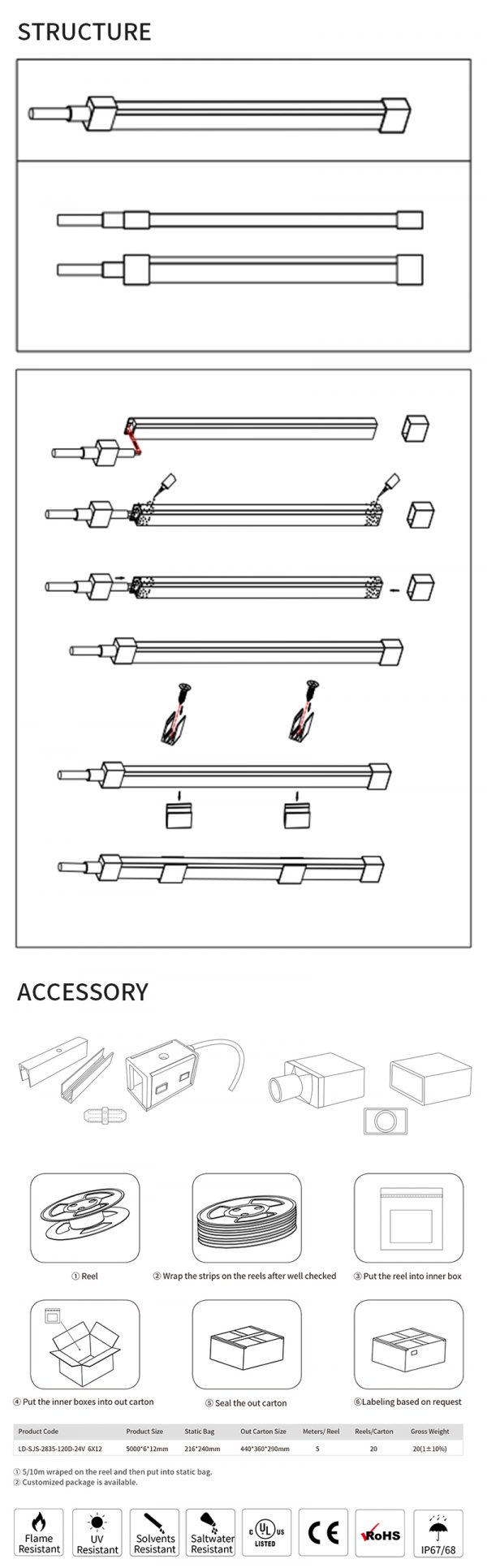
In 2021 I led a project for a boutique hotel in downtown Seattle where we replaced legacy uplights with outdoor LED light strips along a second-floor balcony. We used 24V SMD2835 strips inside extruded aluminum channels, matched to 100W constant-voltage drivers with PWM-compatible dimmers. The hotel reported a 32% reduction in lighting energy use in the first six months, and guest feedback on ambiance improved. That case showed that careful product pairing — strip, channel, driver, IP-rated end caps — matters more than marketing claims. It’s a simple chain: component quality, thermal design, and correct installation practice.
What’s next? Expect smarter, more testable components. We’re seeing modular drivers with better thermal cutoffs and more consistent dimming protocols. Case in point: a 2023 retail rollout I consulted on used addressable drivers that reduced commissioning time by half. Still, real-world success depends on three things: specifying correct IP and thermal solutions for the site (especially for outdoor runs), demanding measured photometric reports, and planning for maintenance access. Small steps — but they compound over time.
Three practical metrics I use when advising clients
1) System Efficiency: measured lumens per watt at expected operating temperature (not just laboratory numbers). I ask for photometric reports taken at 45°C if the strip will be enclosed. 2) Component Matching: confirm LED tape, driver voltage/current, and dimming protocol compatibility on the spec sheet. On one job in Portland (July 2018) we saved a week of rework by insisting on this. 3) Environmental Rating: choose an IP rating and UV-stable diffuser for outdoor LED light strips; get written confirmation for expected lifespan in your climate. These metrics give you measurable confidence.
In closing — and I say this from long experience — plan for the full life of the installation, not just the purchase day. Test a short run before committing to large orders. We learned that replacing 240 meters of underperforming tape in a retail park in 2017 cost the owner nearly $1,800 in replacement and labor — a costly lesson. Use clear specs, insist on real-world tests, and prioritize matched systems. For reliable supply and tested components, consider working with specialists such as LEDIA Lighting.