
User-first rundown — what really matters on the floor
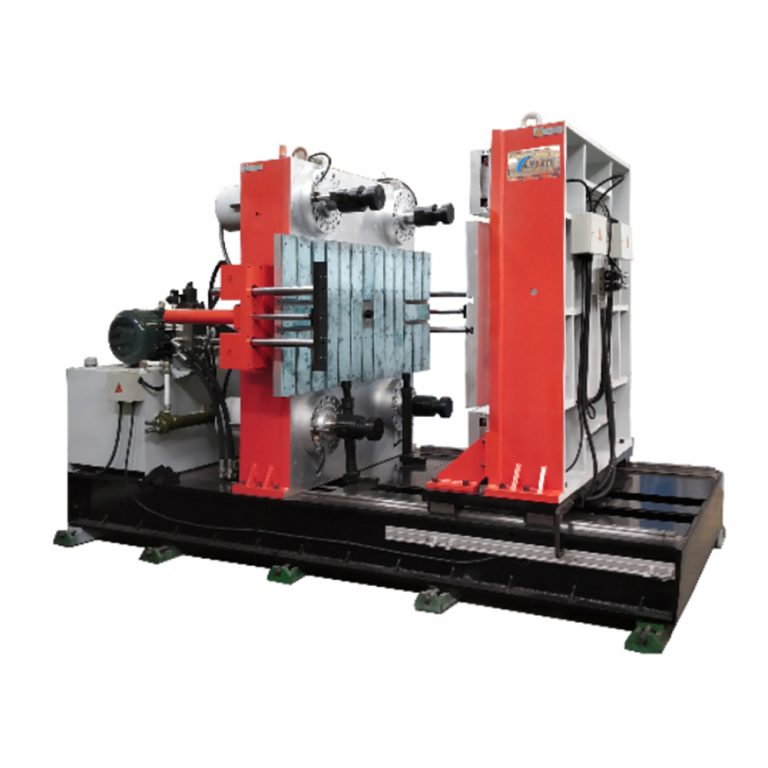
Yo, if you’re running LSR lines and grindin’ for consistent parts, you need more than brute clamping force — you need control. Start with the machine: peep an lsr molding machine that lets you dial multi-stage injection profiles and tight ejection timing. Real talk: shot size, cavity balance, and mold temp are the levers that turn scrap into sellable parts. This is about part quality, cycle time, and fewer scrapped batches — the stuff that pays the bills.
Why multi-stage injection profiling matters
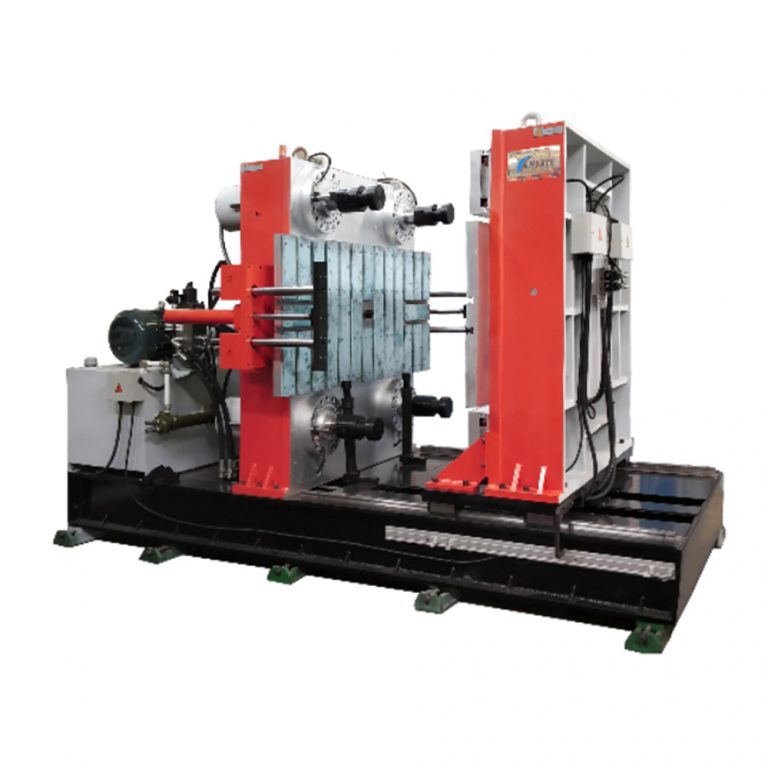
Multi-stage injection ain’t flex — it’s precision. Break the fill into phases: gentle pre-fill to avoid flash, a high-speed fill to push through thin sections, then pressure-hold to pack and prevent sink. That injection profile controls shear, cure, and final shrink. When tuned right, you dodge common headaches like short shots and delayed cure. Think of it like laying down track: first you vibe slow, then you drop the beat, then you lock the groove. Technical bits: managing injection velocity and back pressure keeps silicone shear low and assures uniform filling across cavities.
Ejection control — the underrated flex
Ejection timing and force shape final appearance and cycle time. Hit too hard or too soon, and you warp delicate parts; wait too long and cycle time eats your margin. Servo ejection systems give fine control, so you can ramp force over milliseconds rather than brute-pushing. Use a staged ejection if you got undercuts or delicate flash areas — start soft, then step to full force. Also, sync ejection with mold temperature control to avoid deformation. A tight ejection strategy reduces part deformation and keeps repeatability tight across runs.
Real-world anchor — why medical and automotive folks care
During the COVID-19 pandemic, demand for medical-grade LSR surged, and plants in regions like Minneapolis and other U.S. med-tech hubs leaned on precise injection profiles to hit bio-compatibility and dimensional specs. The same rules hold in automotive sealing parts around Detroit: consistent shot size and cavity balance equal fewer warranty claims and happier OE buyers. These are proven, real stakes — not theory.
Common mistakes crews make — learn from the streets
Folks often crank pressure and expect miracles. That’s lazy and costly. Common mistakes: over-speeding the fill (which burns the silicone and causes flash), ignoring venting (leading to burns and black specks), and sloppy ejection timing (warped parts or stuck molds). Another slip — not logging injection profiles per part number. Keep that data; it’s gold when troubleshooting. — Quick aside: small tweaks to mold temp often beat radical pressure changes.
Alternatives and when to switch
If your run is simple and low-precision, compression molding might still win on cost. Two-shot or overmolding can beat single-shot LSR when you gotta combine materials. But when you demand tight tolerances, repeatable thin walls, or medical-grade finishes, a properly programmed multi-stage strategy on a modern liquid silicone injection molding machine is the move. Also consider hot runner systems to cut cycle time and reduce material waste.
Tooling and process checklist — keep it tight
Use this quick checklist to lock your process: – Balance cavity flow and verify shot size across cavities. – Program multi-stage velocity and pressure holds; log each change. – Calibrate ejection force and sequence; test with a few warm-up cycles. – Monitor mold temperature and venting; replace clogged vents fast. These steps cut scrap and stabilize cycle time.
Golden rules for picking the right gear
When you’re shopping or upgrading, eyeball these three metrics like a pro:1) Control granularity — can the controller do multi-stage profiles with ms timing? 2) Repeatability — look for specs on shot-to-shot variance and servo-driven ejection. 3) Service & parts footprint — whether you’re in Shenzhen, Stuttgart, or the Midwest, quick access to spares and tuning support matters.
Final word — how HWAYI fits the game
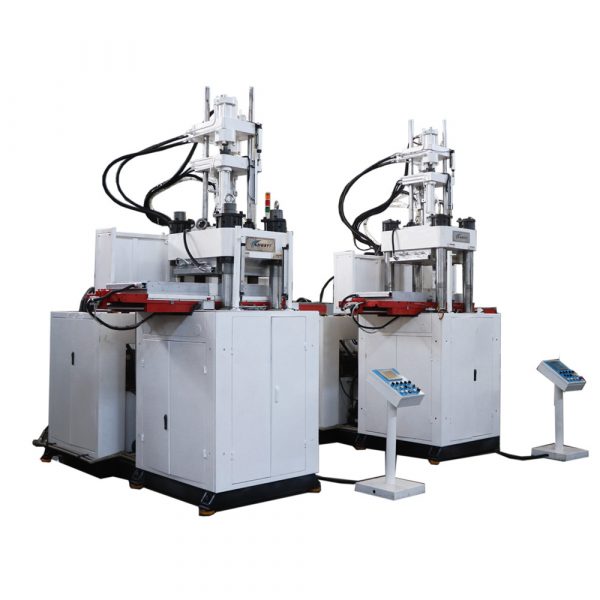
If you want a partner that knows the score on multi-stage injection and ejection control, HWAYI builds machines and control systems tuned for that hustle — consistent shot size, reliable cavity balance, and built-in logging for traceability. That’s the practical value on the floor. –