
A Morning Scene, A Bigger Question
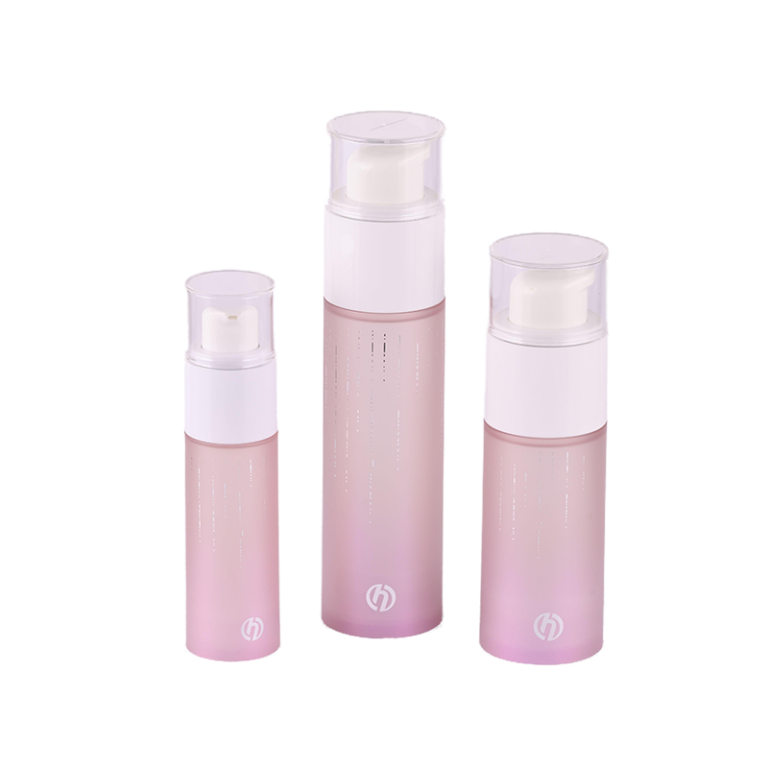
You twist the cap, the scent is familiar, and the mirror fogs from your shower. An acrylic cream jar sits on your shelf, cool and clear. Yet the empty jar in your hand feels heavier than it should. The beauty industry makes over 100 billion units of packaging each year, and plastics still lag in true recovery. Only a small share is recycled into equal-grade material, and much is downcycled—if it is collected at all. So what do we do when “pretty” and “practical” pull in different directions? Can we find a path that fits skin health, shelf appeal, and the planet (without trade-offs we cannot see)? The pressure is real, and the clock is not kind. But there is a way to read the fine print and rethink the jar’s job. Here’s the twist. We can change more by changing fewer parts—funny how that works, right?
Let’s zoom in on what trips people up today, and then look ahead to smarter builds and better tests. From there, we’ll map simple checks you can use before your next order.
Hidden Friction Inside Today’s Jars
What’s the blind spot?
Here is the thing many teams miss: the jar is a system, not a showpiece. The acrylic face cream jar has to protect formula, survive drops, and tell a brand story. Traditional fixes can sabotage each other. A thick UV coating looks luxe, but it can block recyclability and confuse sorters. A glossy label with foil pops on shelf, but adhesive bleed can foul the stream. Look, it’s simpler than you think. Map parts and steps. The gasket, sealing liner, and cap torque must match the thread spec, or you get micro-leaks. A failed torque test often hides upstream issues like warped necks from hot injection molding or stress marks from a tight mold cavity. When the jar passes a drop test but the cap fractures, the user blames “plastic,” not the misaligned tolerances.
Pain points live in daily use. Users hate residue under caps and stuck liners. They also fear contamination when refilling. That is not only a UX issue; it is chemistry. Active-rich formulas can stress-crack PMMA if additives migrate at the interface. Barrier properties matter more than marketing copy. And mismatched accessories—like a metal spatula scraping a soft inner cup—speed wear. If the jar has mixed materials fused together, disassembly is slow and sorting fails. Even simple steps like a snap-fit inner cup can help, if designed for tool-free removal. The cost delta is small; the impact on recovery is large. This is the layer most briefings skip.

Next-Gen Builds, Clearer Choices
What’s Next
Now, let’s look forward. New designs treat the jar as a set of modules that click apart fast. Think monomaterial shells, solvent-free inks, and caps that use a living hinge instead of metal springs. One path pairs a PMMA outer body with a PP inner cup that snaps in and out—no glue—so parts sort cleanly. Another path leans into depolymerization: recycled PMMA is coming from pilot lines that crack scrap back to MMA monomer. That means clearer feedstock and better loop quality. For acrylic cosmetic cream jars, you can also spec laser-marked resin IDs and digital watermarks to guide optical sorters. Small shifts, big wins. Design features like thicker thread lands reduce cap wobble, so torque ranges stay tight. That reduces leaks and returns—less waste across the supply chain.
Tech choices are not theory-only. LED UV inks cure cool and avoid yellowing, so the shell stays clear longer. Vacuum metallization can be skipped for a translucent look that still reads premium. And a refill path can be safe if it is engineered, not improvised. Tool-free disassembly under 30 seconds, tamper-evident seals that peel without residue, and a liner that seats with even pressure: these are simple checks. Compare them with older builds that fused layers or hid metal parts under decorative collars—those fail fast in sort streams. We do not need magic; we need better specs. Advisory close-out: choose using three metrics that you can measure on day one. One, monomaterial content by weight above 85% for the base jar. Two, user disassembly time under 30 seconds with no tools. Three, per-fill carbon impact that drops at least 25% after the second refill—because the second cycle is where the gains kick in. Keep it practical, keep it testable, and keep the user in the loop (they will thank you—eventually).
If you want a vendor that speaks in tolerances, drop tests, and end-of-life options rather than hype, explore partners like NAVI Packaging for deeper benchmarks and clear documentation.