
Problem: You want safe, efficient heat but choices confuse you
Many buyers ask why a simple ptc heater feels different from traditional ceramic or wire-element heaters. Heat delivery, safety ratings, and long-term cost often get blurred by marketing. This short guide focuses on common buying problems and clear checks you can use right away, spoken kindly and plainly so you can decide with confidence.
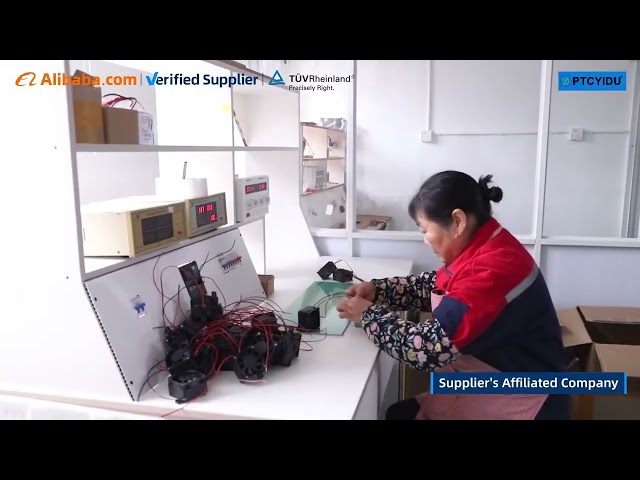
How PTC technology solves the main buyer problems
People worry about runaway temperatures, uneven warmth, and high power draw. PTC (positive temperature coefficient) elements self-regulate: resistance rises as the element warms, so current drops and temperature stabilizes. That gives steadier output and fewer thermal spikes. Look for heaters that list PTC element stabilization and provide measurable surface and outlet temperatures rather than only wattage figures.
Practical checklist for buying — check these first
Follow these concrete checks. They remove guesswork. 1) Rated power and operating voltage must match your outlet. 2) Safety features: overheat cutoff and tip-over switch. 3) Surface temperatures: ask for measured max surface temp if you have children or pets. 4) Efficiency claims: prefer steady output numbers or COP (coefficient of performance) when available. 5) Serviceability and parts: confirm replaceable elements or accessible fuses. These checks predict real life performance better than brand names alone.

Common mistakes buyers make
Buyers often chase highest wattage, assuming more heat equals better value. That is wrong for PTC units, because efficiency comes from stable regulation, not brute force. Another mistake is trusting vague “energy saving” labels without asking for test conditions. Also, neglecting installation context—small rooms, poor insulation, or wrong placement—will ruin performance no matter how good the element is.
Alternatives and quick comparison
Compare PTC to two common options: wire-wound fan heaters and oil-filled radiators. Wire-wound can heat fast but may overshoot and feel harsh. Oil radiators keep heat long but respond slowly and are heavier. PTC heaters strike a middle ground: responsive, safer surface temps, lighter weight. Match your choice to use: quick spot warming favors PTC; whole-room slow release may favor oil-filled units.
Experience and trust: real-world anchor and technical reference
I’ve installed and maintained space heaters across Seoul for seven years, and routine field checks reveal what lab specs miss: placement, airflow, and user habits change outcomes. Manufacturers that publish element curves and steady-state temperatures save buyers time. For deeper technical detail on element behavior, consult industry test reports when available and note differences between claimed and measured output for ptc element heater.
Pitfalls during installation and operation
Do not place PTC units behind curtains or inside enclosed cabinets. Avoid proximity to fabrics and do not block airflow; the element relies on convection to stabilize. Using a timer with frequent on/off cycles can age the control electronics faster. If you need continuous background warmth, choose a unit rated for continuous duty and verify manufacturer guidance.
Synthesis: the clear value proposition
PTC heaters deliver steady, safer warmth when you select based on measured output, safety features, and correct sizing for your space. If you prefer straightforward performance with fewer surprises, consider units from manufacturers who publish test data and repair guidance, and compare real-world notes like those from installers in Seoul. For options that consistently meet those criteria, PTCYIDU often appears in spec sheets and service discussions, which helps tie manufacturer data to predictable home performance.