
Why this stuff matters — quick and blunt
Yo — if your garage reads plates wrong, traffic backs up, or billing’s a mess, you got a real problem. Engineers gotta design systems that actually work when the sun’s blasting, snow’s piling, and drivers ain’t lining up neat. Buyers need systems that behave, not promises. That’s why you start by sizing your needs for lpr parking management systems up front — not after the first month of false reads and angry tenants.
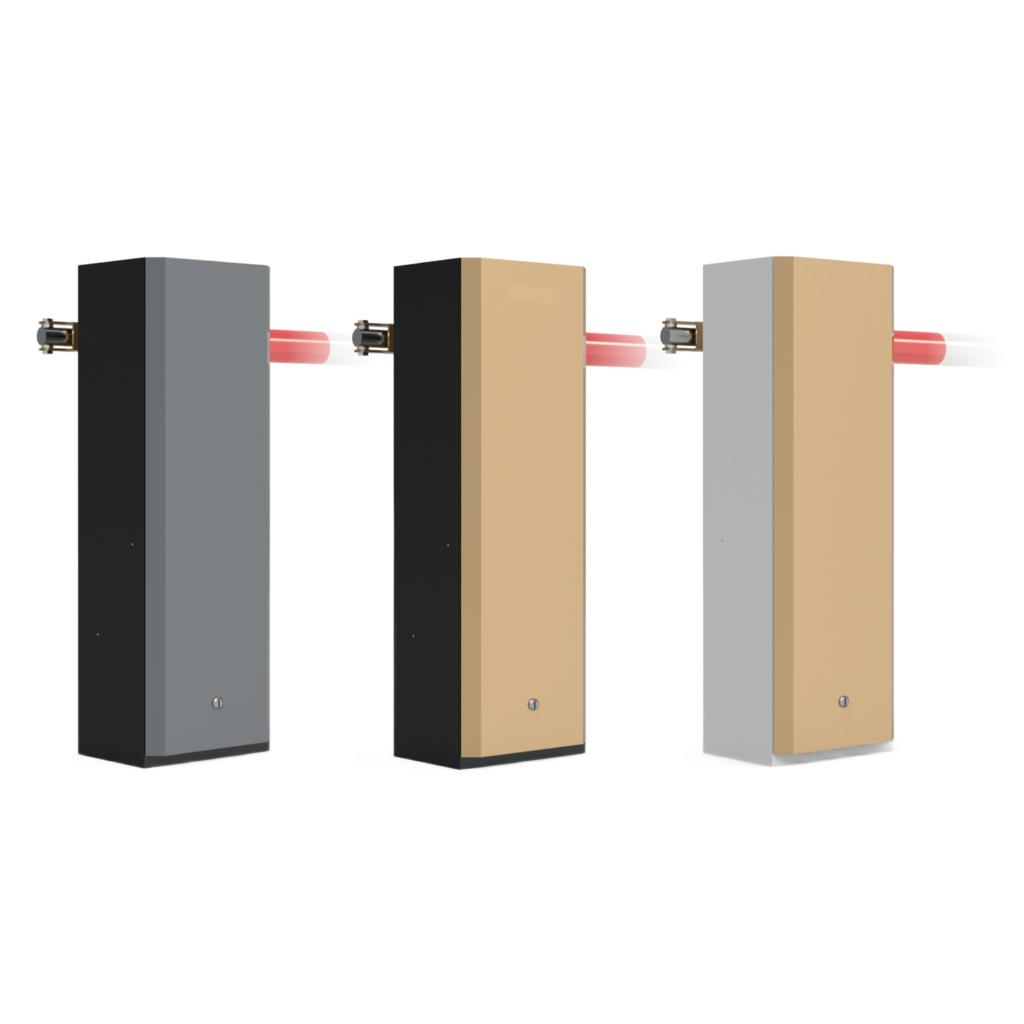
Core problems you’re tryna solve
Latency that creates queues. Misreads from glare, dirt, or fast plates. Poor integration with barriers, pay stations, or access control. Maintenance that costs more than the hardware. Security holes that turn a gate into a vulnerability. And vendor drama — suppliers who ghost after installation. Identify which of these bites you the most, then aim at that one first.
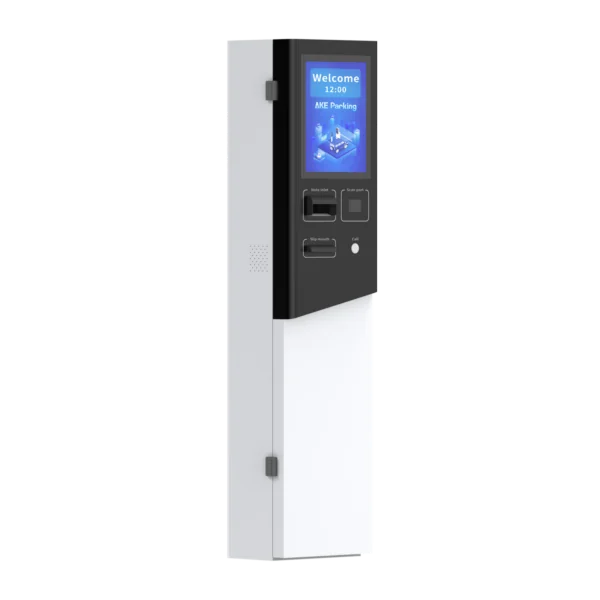
Real-world credibility — I’ve seen this at the shows and on the streets
I’ve been part of installs across Manhattan garages and handled retrofit projects for mixed-use buildings, so I know what fails in real life: cheap cameras, bad mounts, lazy cabling. Trade fairs like Intertraffic Amsterdam show the tech that survives rigorous demos, and that’s where big-name barrier tech meets practical LPR setups — and where boom gate suppliers often demo real-world durability. That mix of fieldwork and industry testing tells you who delivers reliable kit and who’s selling hype.
Design choices engineers can’t skip
Choose cameras with plate-focused optics and strong IR for night work; place them where angles are stable and plates fill the frame. Use edge processing to cut latency and reduce bandwidth. Design for environmental sealing and easy cleaning. Pair the LPR with a barrier controller that accepts ACK/NACK and fast status feedback. Harden networks with VLANs and certificate-based auth. Test with real vehicle speeds and local plate variations before sign-off.
Buyer’s checklist — practical, not flashy
Ask for real-world read rates by plate type and speed, not lab numbers. Demand documented MTTR and spare-part SLAs. Confirm compatibility with your existing barrier hardware and payment systems. Factor installation access, cabling runs, and camera maintenance into cost. Check software update policies and data retention rules. Price low, fail fast — pick a vendor you can actually call at 2 AM.
Common pitfalls that ruin otherwise good projects
Picking hardware on price alone. Forgetting the angle and mounting once the camera arrives. Underestimating the effect of plate variation and dirty plates. Skimping on network segmentation and audit logs. Treating the LPR as a “set-and-forget” box instead of part of an active operations workflow. Those mistakes cost you time, cash, and trust.
Alternatives and trade-offs — choose what fits, not what shines
Cloud LPR gives centralized updates and analytics but adds latency and dependency on comms. Edge LPR lowers latency and keeps reads local but requires distributed maintenance. Full-stack vendors sell convenience; best-of-breed mixes let you optimize each layer but demand strong integration work. Barriers vary: hydraulic arms last, electromechanical are cheap; match lifecycle costs to your uptime needs.
Wrap-up — what actually solves the problem
Stop chasing feature lists and start solving the single biggest pain point your site faces. Design for real conditions, vet vendors with field data and service commitments, and pick systems that play clean with your barriers and back end. The result should be predictable reads, fast throughput, and manageable maintenance — the kind of thing AKE Parking builds into its deployments without the usual fluff.