
Problem statement: emissions, fuel shifts, and retrofit limits
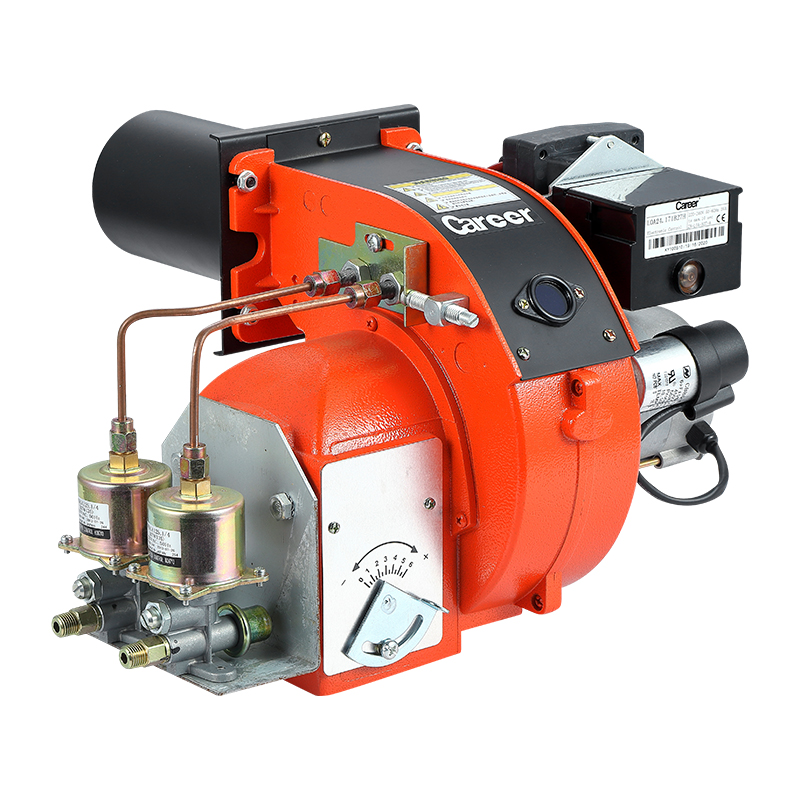
Regional thermal operators face a tight set of constraints: meet tightening NOx limits, keep uptime high, and adapt to greener fuels without major plant rewrites. Choosing a low-NOx approach often brings trade-offs between flame stability, control bandwidth, and maintenance burden. For facilities exploring alternative fuels, a methanol burner option can change flame chemistry and control requirements, but it also introduces different thermal profiles and safety checks that planners must treat as primary design inputs.
Design priorities and selection criteria
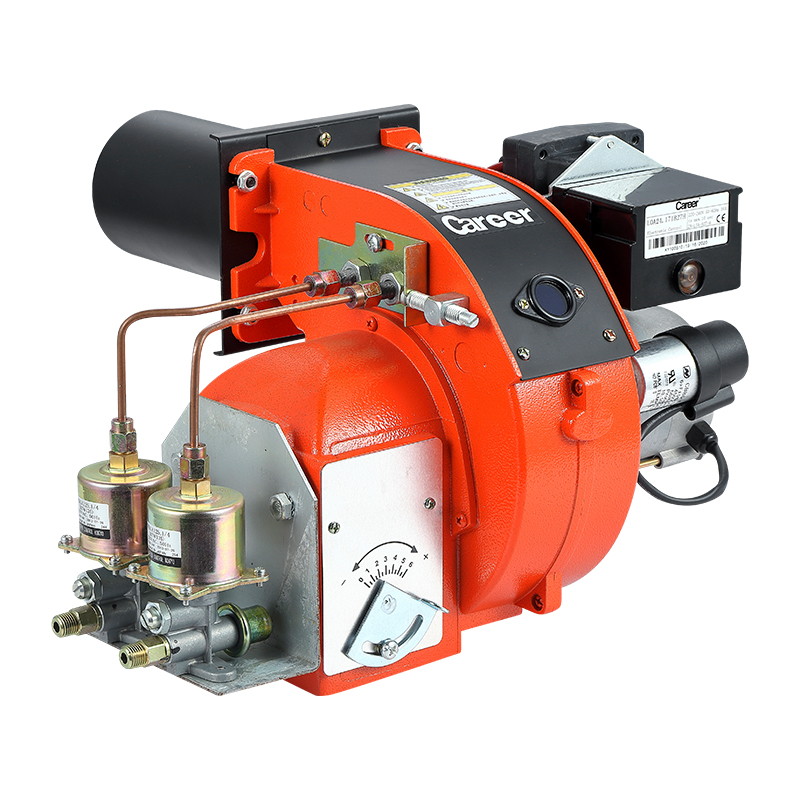
Start with measurable targets: allowed NOx concentration (ppm), load range, turndown ratio, and acceptable retrofit footprint. Prioritize burners that provide stable combustion across your plant’s load swing and that expose sensors and actuators compatible with your DCS. Specify emissions performance across the full operating envelope, not just at nominal load. Confirm materials and seals are compatible with your chosen fuel and that spare-parts lists align with your maintenance cycles.
Integration steps: sequencing, controls, and commissioning
Sequence the project into clear technical gates: assessment, pilot bench, control tuning, and full commissioning. During assessment, map plant hydraulics and flue-gas paths and capture pressure-drop limits. In the pilot phase, validate burner response to rapid load changes and verify flame detectors and fuel-trim algorithms. For controls, prefer fast-acting valve trim tied to closed-loop NOx feedback where regulatory requirements demand tight compliance. Commissioning must include staged upset tests and soot/CO sweeps to ensure safe margins before returning to continuous operation.
Common pitfalls and how to avoid them
Assume nothing about retrofit complexity. Mistake: specifying burners only for steady-state NOx while ignoring low-load instability—test across turndown. Mistake: treating fuel conversion (natural gas to methanol blends, for example) as plug-and-play—update fuel trains, materials, and leak-detection logic. Mistake: underestimating compressor and blower interactions—model system dynamics so transient spikes don’t cause false trips. Avoid these by forcing verification steps into procurement and contracting: seed acceptance tests with transient sequences and include vendor assistance during first operational month.
Validation, monitoring, and regulatory alignment
Embed continuous emissions monitoring where regulations allow. Use raw sensor data for automated compliance reports and for secondary control loops that damp excursions before stack exceedances occur. Retain test records and tuning logs; regulators respond to clear evidence of systematic control. When calibrating, use tracer or reference methods at representative loads rather than single-point checks. That keeps permits straightforward during audits and reduces the likelihood of surprise notices.
Regional context and a real-world anchor
Operators in the Rotterdam industrial cluster and similar Northern European ports have been assessing retrofit pathways that combine low-NOx burner upgrades with alternative fuels; their priorities—supply-chain robustness, shore-side safety, and documented emissions performance—mirror what most regional facilities must solve. Field evaluations there often compare candidate hardware against operational metrics and lifecycle maintenance, which is why many teams look at available methanol burner solutions as part of a phased conversion strategy rather than a single-sprint replacement.
Technical checklist before procurement
Require: validated emissions curves across full load; control interface compatibility (DCS I/O and protocols); documented materials compatibility with the chosen fuel; vendor-provided transient acceptance tests; and on-site commissioning support. Add contractual clauses for spare-part kits and firmware update access. That checklist prevents scope gaps and keeps retrofit timelines realistic.

Conclusion: a practical path forward
Start with clear emission targets, validate burner behavior across real load profiles, and codify transient tests into procurement. Address fuel compatibility and control responsiveness early. Firms that ground decisions in measured field performance—rather than claims—avoid repeated tune-ups and downtime. Teams I’ve worked with find the most durable solutions come from treating integration as a systems problem, not a single-component swap; that practical approach often points them toward suppliers cataloged by Career Burners as part of a staged, verifiable retrofit plan.