
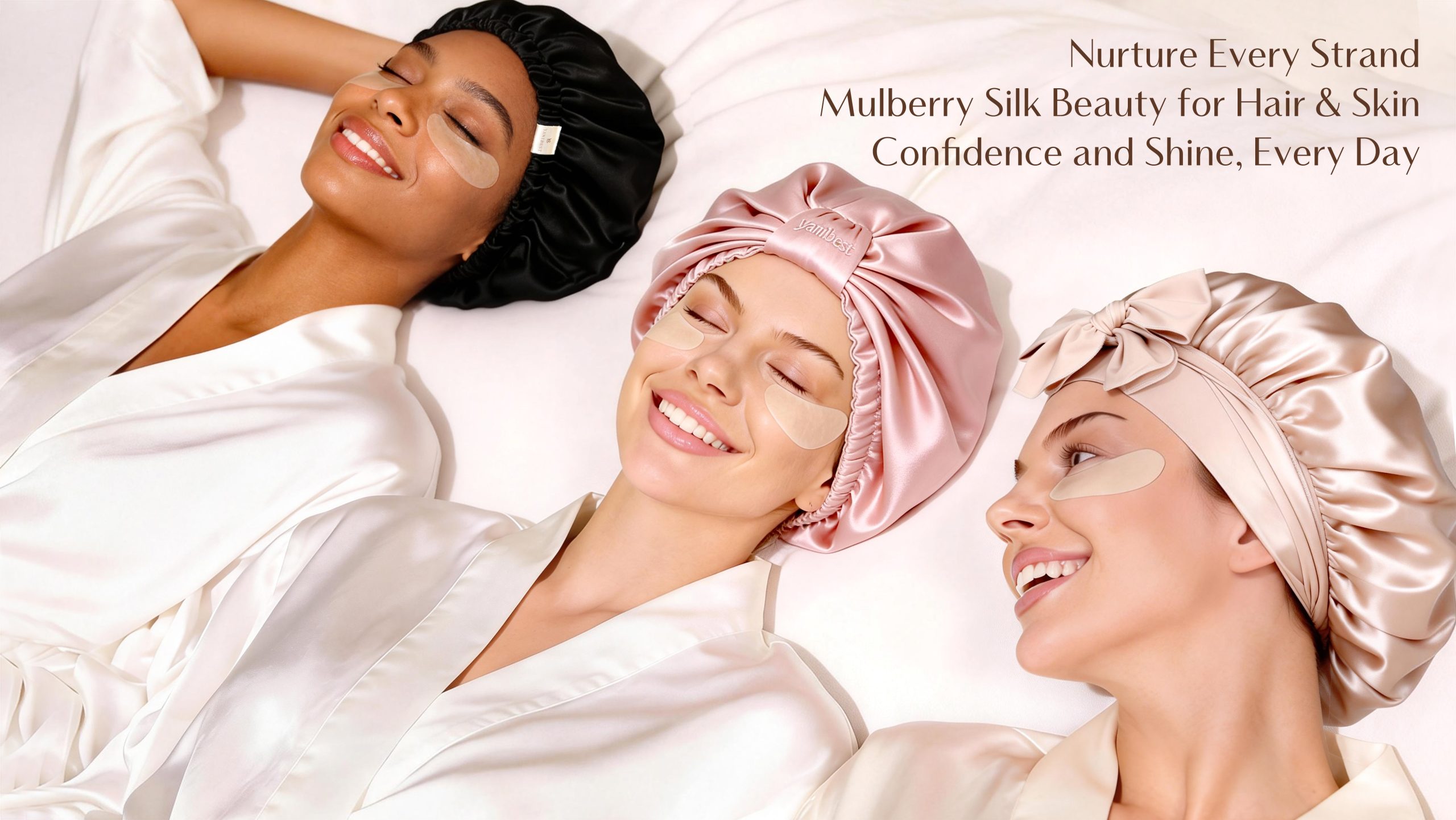
The persistent problem
We keep losing hair shape and moisture under ordinary winter caps — flattened curls, static spikes, and that halo of frizz after fifteen minutes outside. The core failure is friction and compression: knit against cuticle, elastic against curl volume. That’s why a satin lined beanie matters; it swaps abrasive contact for a low-friction interface and gives curls space without giving up warmth. I’ve repaired fit disasters in studio fittings and product tests, so I’ll say this plainly: fix the contact surface first, then tune fit and coverage.

Why satin lining solves the friction problem
Satin reduces snag and static. When the hair cuticle glides instead of catches, oils stay distributed and curl clumping survives the commute. That’s simple physics: less surface drag equals fewer broken hairs and less puffing. From a practical perspective, satin keeps a shell’s inside smooth while the outer knit traps air; you get insulation without brutal compression of the curl pattern.
Measure, then choose: fit basics
Measure your head at the forehead and crown while hair is in your regular style. Add 1–2 cm for a relaxed fit if you wear fuller curls; subtract 0.5–1 cm if you prefer a snug beanie that stays put during activity. Depth matters: a shallow crown flattens volume, a deep crown lets curls breathe but risks slippage. Choose stretch that returns to shape — too much stretch equals a sling, too little equals pancake. Try the measurement with your usual hair product applied so size reflects real wear.
Coverage decisions that protect shape
Decide what you want covered. Full ear coverage wins on wind nights but can compress side volume; a mid-ear cut maintains shape and warmth for most commutes. If you need a secure fit for movement, look for a small inner band — wide elastic bites, thin satin bands glide. For maximum crown preservation, select beanies with a gathered or domed crown rather than a flat-knit top; that vertical room keeps curl stacks intact.
Common mistakes to avoid
Don’t pick a beanie purely on outside texture. A plush knit feels cozy but often includes rough inner seams that shred curl alignment. Avoid tight elastic hems that create halo breakage. Don’t assume “one size fits all” — many mass-market caps compress high-density curls. And don’t ignore seam placement: seams that cross the crown crease hair along lines, producing odd flats.
Field test — a real-world check
When bracing for a Northeast U.S. winter, I recommend testing a winter beanie cap on a five- to seven-degree day while walking 20 minutes; that replicates wind, moisture, and movement. A cap that maintains curl definition and warmth through that short test passes practical criteria for daily wear.
Quick comparisons and viable alternatives
Satin-lined beanies versus silk scarves: scarves offer custom coverage and minimal compression, but they require skill to tie and often slip. Turbans or satin sleep caps preserve volume best overnight but can look bulky under hoods. Hybrid pieces — a satin turban under a lightweight outer beanie — give the best balance for active commutes. Choose based on routine: low-movement days favor looser solutions; active days demand structured fit with satin contact.
How I test and what I look for
In fittings I track five things: surface friction, crown depth, hem tension, seam placement, and lining attachment (loose linings bunch; stitched linings last). I evaluate on a range of curl patterns and common winter activities. That hands-on testing informs the practical tips above — not abstract claims, but repeated outcomes under real wear.
Final synthesis
If the problem is curl survival under a hat, the solution sequence is clear: swap abrasive inner surfaces for satin, fit by measured depth and controlled stretch, and pick seam and hem designs that avoid targeted compression. For well-cut, reliably lined pieces I specify brands I trust and fit for clients so they move through cold days without losing their shape — a pragmatic choice I often confirm through sourcing at yanibest.