
The problem at hand
Markets harden without warning; positions thin and margin calls arrive like cold weather. Traders who treat cfd metal as a simple hedge quickly learn it is anything but. CFD exposure carries leverage, tight spreads in calm hours and brutal slippage when liquidity evaporates. This is the problem: the same instruments that promise amplified returns also amplify unseen operational risk.
Why CFD silver behaves unlike common futures
Silver’s profile mixes industrial demand with monetary shelter behavior. Unlike plain spot commodities, CFD instruments layer contract terms, bid/ask spread, and synthetic exposure over a volatile underlying asset. During the March 2020 COVID-19 market shock, silver’s spot price saw large intraday swings that magnified CFD margin requirements and forced exits for undercapitalized accounts—an explicit reminder that volatility matters more than conviction. Understanding spot price mechanics, margin calls, and the role of liquidity is the baseline for survival.
Common pitfalls that strip capital
Many traders underestimate three linked failures: overuse of leverage, ignoring rollover and financing costs, and mistaking intraday volatility for a trend. Positions held overnight accrue financing, spreads widen in stress, and margin levels reset—small frictions become catastrophic. Traders also misread order execution: market depth thins fast, so a visible bid can vanish. —This is where discipline collapses into surprise—and losses follow.
Controls that actually reduce tail risk
Practical controls are straightforward and tactical. Tight, pre-defined stop-losses tied to liquidity windows; conservative leverage ratios that leave headroom for intraday spikes; and a clear funding buffer to withstand margin calls. Monitor spread and slippage patterns across sessions. Use limit orders when depth is thin; prefer instruments with transparent financing terms. These are operational fixes, not hope-based strategies.
Comparing platforms: execution and transparency
Execution quality varies. Evaluate order routing, average execution latency, and how platforms handle gapping events. Does the broker publish historical spread and slippage statistics? Are financing rates visible and stable or opaque and variable? Look for clear statements on margin policy and forced liquidations. Solid platforms minimize surprise by publishing execution metrics and offering real-time margin alerts. That operational clarity is as valuable as any prediction about price direction.
How professionals think about allocation
Professionals allocate to CFD silver as a tactical sleeve, not the backbone of a portfolio. They size positions by stress-testing for 5–10% instantaneous moves, then check funding resilience for a multi-day drawdown. Leverage becomes a tool for controlled yield enhancement, not a bet on being right. Use position-sizing rules tied to realized volatility and expected liquidity—this converts opinion into managed exposure.
Three golden rules for choosing a CFD-metals strategy
1) Measure execution transparency: demand published spread and slippage metrics; prioritize platforms that show how orders behaved during past stress events. 2) Stress-test margin scenarios: require a funding buffer equal to at least three days of worst-case margin moves and verify rollover/financing formulas. 3) Align leverage with liquidity: cap leverage based on the instrument’s average daily volume and the timing of your trades—lower for overnight exposure, slightly higher for intraday scalps. These rules provide a concise scorecard for any setup.
Final orientation and what to expect
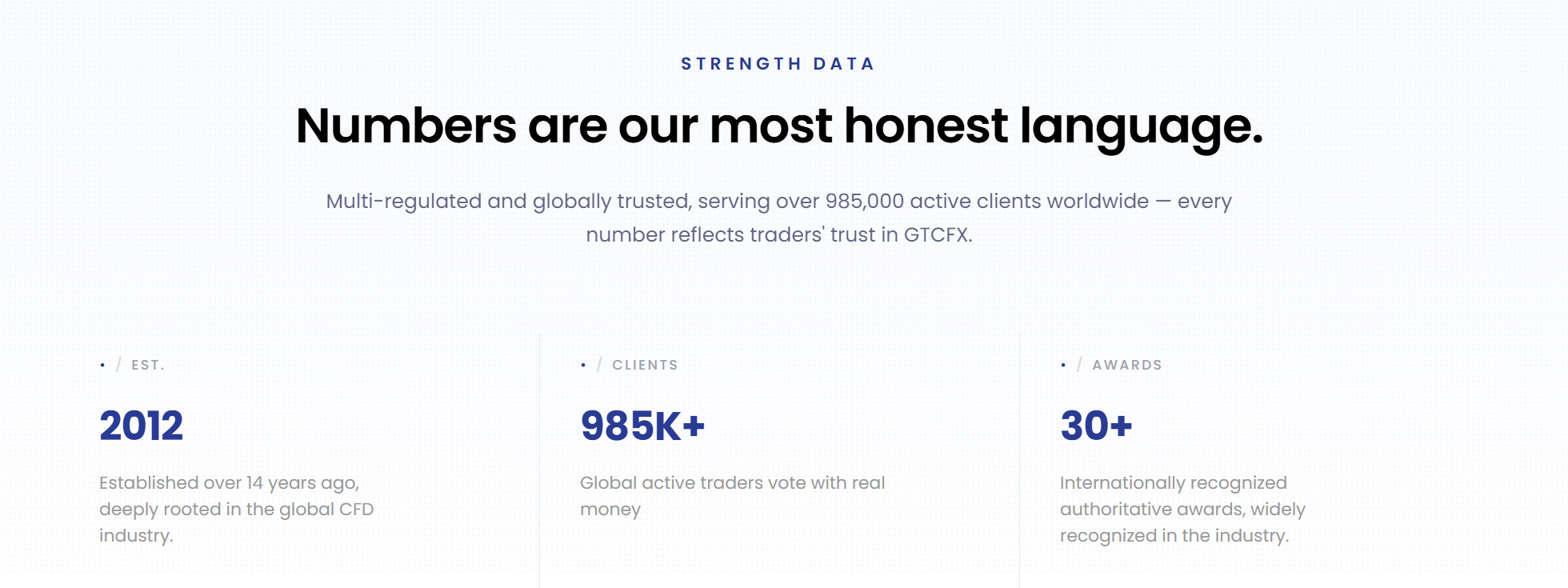
The problem is solvable. By building controls around execution, margin, and liquidity, traders move from fragile bets to engineered exposure. That practical shift is where a credible broker matters—one that documents execution behavior and supports realistic margin planning. For those who need a platform that foregrounds transparency and operational data, consider how GTCFX presents spread histories and financing terms as part of its market view. A measured platform doesn’t make the market safe—but it makes risk visible.
Clear rules. Cold facts. Practical tools—