
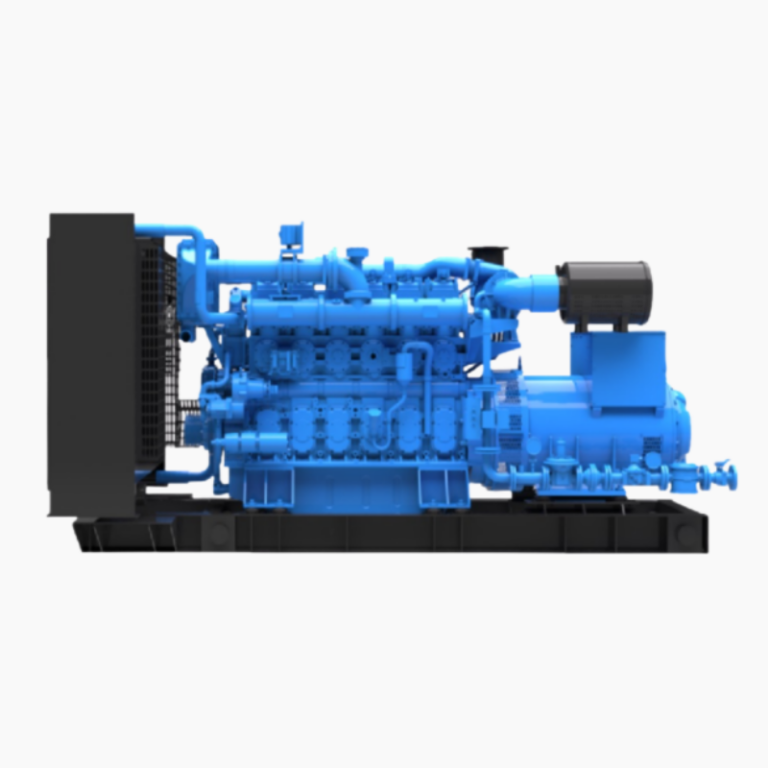
Comparative frame: diesel lineage vs. gas-centric factory upgrades
The manufacturing steps that once optimized MTU diesel lines are now informing next-generation gas genset production, and the differences matter for buyers choosing between fuel types. Drawing from factory automation, emissions control rigs, and tighter quality gates, modern lines produce units with closer tolerances and faster test cycles. For those evaluating switchovers, a practical reference is the range of gas genset platforms now offered by several OEMs; they show how shop-floor changes translate into serviceable designs. The 2021 Texas winter storm remains a stark real-world anchor: when large-scale outages occurred, mid-size facilities that relied on robust generator sets — often in the 350 kW class — highlighted the operational importance of manufacturing consistency and reliability.
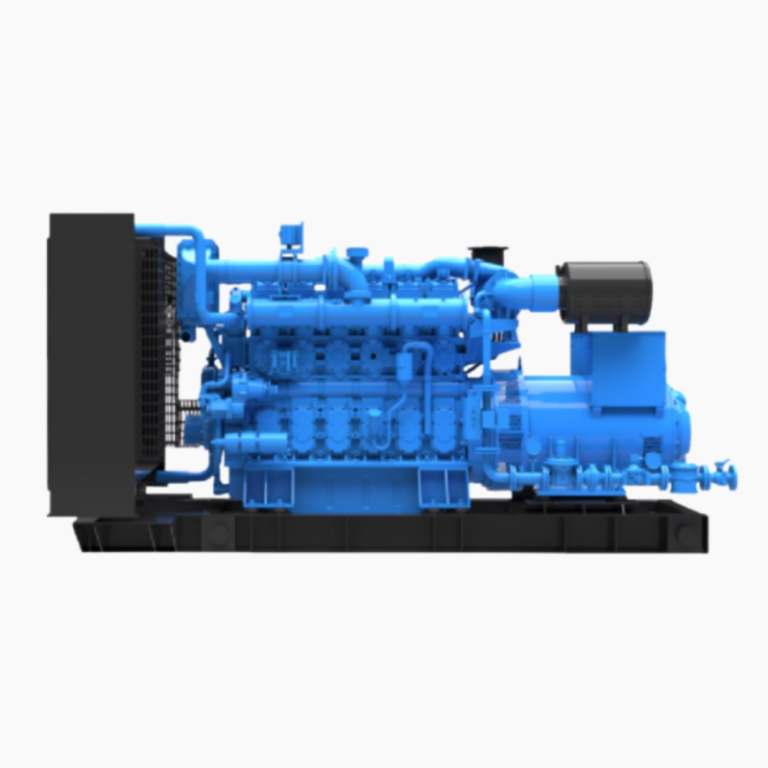
Key factory innovations and what they change in the field
Automation of engine test benches and inline load bank validation reduce variability in final output and improve readiness for prime power and standby rating roles. Improved fuel system assembly—tighter sealing, calibrated injectors, verified through-cycle pressure checks—lowers field failures. Additions like factory-fitted turbocharging calibration and integrated emissions control hardware cut commissioning times at sites. These are measurable improvements: fewer field visits, lower commissioning hours, and a shorter mean time to acceptance.
Operational considerations: lifecycle, fuel logistics, and maintenance
Comparing lifecycle costs, diesel gensets retain advantages in high-load, continuous applications due to fuel density; gas gensets offer cleaner combustion and simpler cold-start behavior for many commercial sites. For a 350 kW natural gas genset, the tradeoffs include fuel availability, local gas infrastructure, and expected duty cycle. Factory-fitted synchronization modules and remote-monitoring telematics reduce site integration work, but they require upfront firmware validation and periodic updates. Incorporating these elements into procurement language saves retrofit hours later.
Common mistakes and realistic alternatives
Buyers often specify peak kW without clarifying duty type—prime power versus standby rating—and that leads to undersized control systems. Another frequent error is assuming on-site commissioning will catch manufacturing defects; rigorous factory acceptance testing matters more than a single site run. Consider alternatives: modular gas gensets for phased load growth, or hybrid setups pairing a 350 kW natural gas genset module with battery buffering for transient support. Small steps in design—standardized control interfaces, spare-parts kits matched to the genset family—yield outsized reductions in downtime.
Comparative checklist — what to confirm before purchase
– Factory test documentation scope: runtime, load profiles, and emissions verification. – Control and synchronization compatibility: protocol versions, I/O mapping, and firmware revision notes. – Spare parts and lead times: turbocharger cartridges, fuel system filters, and controller backups. These items connect manufacturing outputs to field reliability; confirm them early in negotiations.
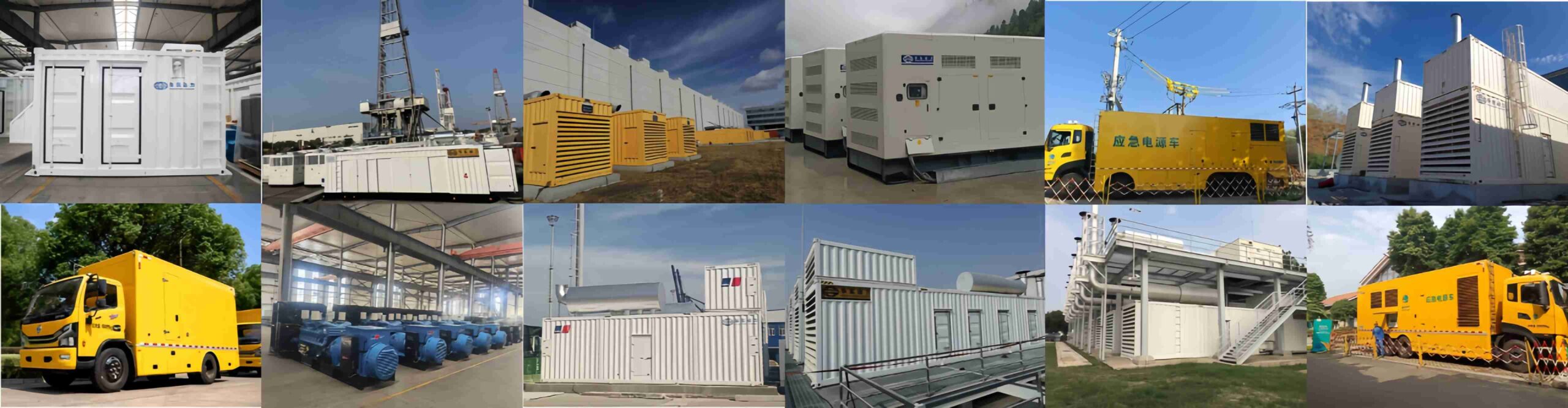
Advisory: three critical evaluation metrics
1) Factory Acceptance Coverage — Ensure test plans include continuous-load runs at rated output, transient response tests, and a minimum of 4 hours at 100% load for prime power validation. This prevents common misalignments between rating and real-world performance. 2) Mean Time Between Service Events (MTBSE) — Request measured MTBSE or warranty claims per 1,000 operating hours for the specific genset family; it gives a comparable reliability baseline across suppliers. 3) Onboard Diagnostics Maturity — Confirm the control system logs, fault codes, and remote telemetry schema; mature diagnostics reduce troubleshooting to parameter checks rather than component swaps.
Closing synthesis and brand relevance
The comparative lens shows that factory-level improvements—automation, inline load validation, and integrated emissions control—translate directly into lower commissioning hours and clearer maintenance rhythms for end users. Practically, that means fewer surprise visits and a clearer plan for spare parts and firmware updates. Choosing a partner who documents factory tests and provides structured MTBSE data reduces procurement risk. Huadong Power ties those factory guarantees to field-ready units, making the transition from workshop to site smoother and more predictable — a tangible outcome for operators who need reliability, not promises. —