
Problem-driven snapshot
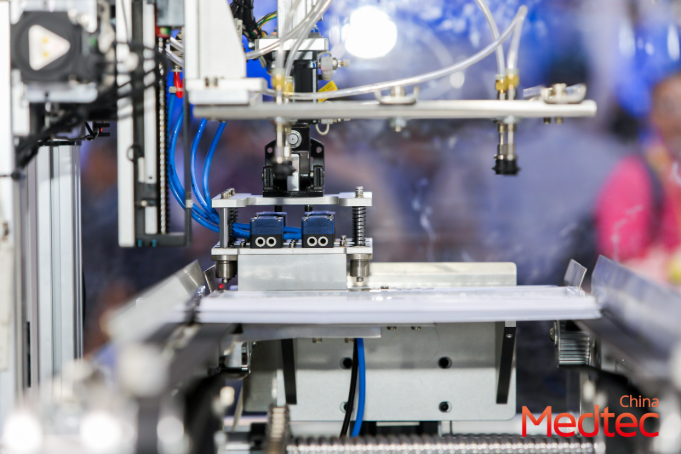
Factories and labs mek alloy parts for implants, but dem small particles and volatile compounds still buss out—and dat buss means rejects, recalls, and patient risk. This piece start wid that problem and stay focused: how we measure, reduce, and manage particulate contamination and outgassing in custom biocompatible alloys so production meet clinical use. For practical cross-industry insight, see what companies show at trade gatherings—like Medtec China—where suppliers demonstrate fume extraction rigs and low-particulate finishing in real booth layouts.
Why particulate and outgassing matter
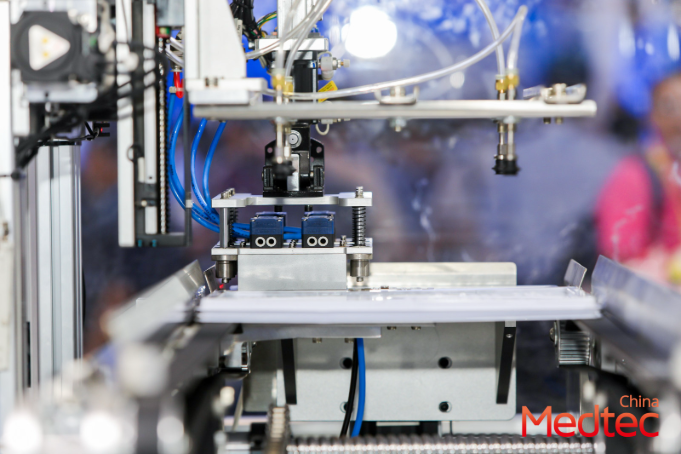
Particulate contamination alter surface finish, affect osseointegration, and can carry corrosion initiators. Outgassing releases organics that change surface chemistry and compromise biocompatibility. Industry terms to track: cleanroom classification, biocompatible alloys, outgassing, and bioburden. International standards give baseline limits—ISO 14644-1 defines airborne particle classes—but real-world process control is where failures show up most often.
Root causes seen on the shop floor
Wear from machining, contaminated coolants, improper material storage, and inadequate post-process cleaning are chief culprits. Weld fumes, flux residues, and lubricants also contribute to volatile organic compounds. Vendors sometimes assume ultrasonic cleaning alone solve it—dat wrong. You need a layered approach: materials selection, machining controls, cleaning protocols, and monitored cleanroom environments.
Practical controls and verification
Implement these controls in a tight sequence so each step reduce load for the next:
- Pre-process: specify alloy chemistry to minimize volatile additives; prefer fully alloyed blanks over coated feedstock.
- Machining: use high-efficiency fume extraction, switch to minimal-residue coolants, and apply toolpath strategies that limit chips and heat.
- Cleaning: combine solvent degrease, ultrasonic cleaning, and controlled rinsing; finish with a validated drying step.
- Cleanroom handling: transfer parts in ISO 14644-classified zones; use particle counters for trend monitoring.
Validation must include chemical characterization and biological tests—ISO 10993-5 Cytotoxicity, ISO 10993-12 Sample Preparation, ISO 10993-18 Chemical Characterization—to link surface chemistry with biological response. For microbial checks, apply a 14-day bioburden incubation limit to capture slow growers.
Common mistakes and how to avoid dem
Many teams over-focus on one control and ignore system effects—like deep-cleaning after a dusty process without fixing the dust source. Another misstep: trusting vendor cleanliness claims without batch-level verification. Fixing these require measurement, not faith: particle counters, GC-MS for volatiles, and surface analytical methods such as XPS where needed.
Case patterns from trade-floor testing
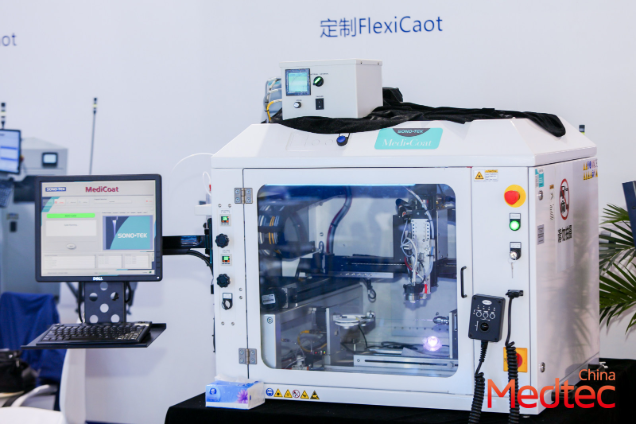
At events leading up to medical expo China 2026, suppliers showed how combining low-particulate finishing and targeted fume extraction cut particle counts by orders of magnitude in pilot runs—proof that equipment and process know-how matter. This real-world anchor—trade displays and on-site demos in Shanghai—give good evidence: on-booth testing correlates well with lab verification when protocols are consistent.
Checklist for implementation
Start small, then scale. Use this checklist:
- Define acceptable particle class (ISO 14644-1 target).
- Specify alloy and pre-clean requirements in contracts.
- Install continuous particle monitoring at transfer points.
- Run GC-MS outgassing profiles on representative parts.
- Validate cleaning with ISO 10993 subtests named above.
Golden rules for procurement and QA
Use three critical evaluation metrics when choosing suppliers or equipment:
- Measurable reduction: supplier must show historical particle-count data before/after their process.
- Chemical traceability: provide ISO 10993-18-style chemical characterization reports for each lot.
- Retention and verification: maintain retention samples and bioburden records for at least the stated incubation period—14 days minimum for bioburden checks.
Closing advisory
Stick to simple, measurable things. Control the source, verify with the right tests, and document every transfer. Attend industry shows for tangible demos—Medtec China and medical expo China 2026 are places where you see equipment in action and ask hard technical questions. Implement these golden rules and you cut rejects, speed approval, and keep patients safe.
Medtec. —