
Introduction: A systematic frame for a complex choice
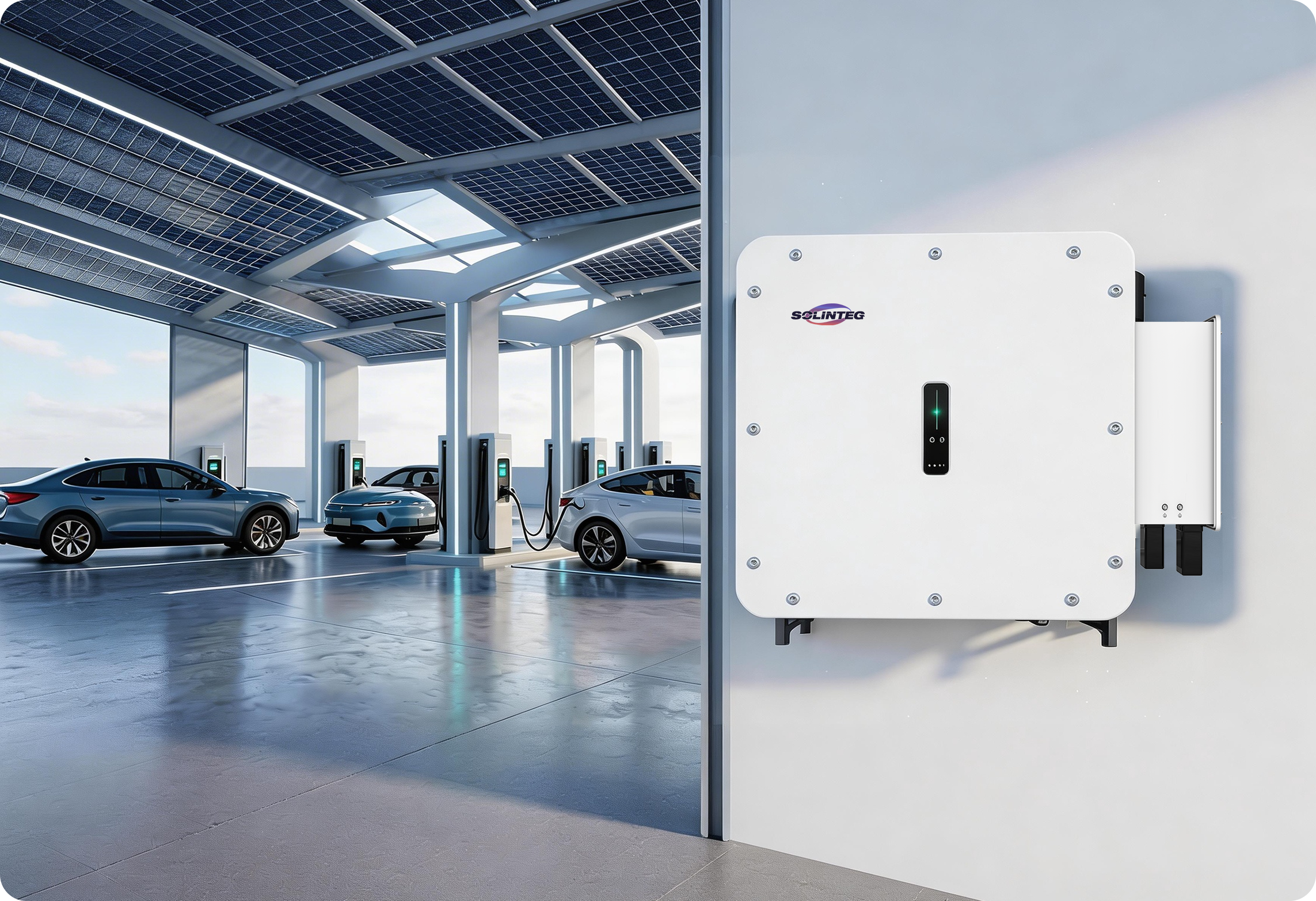
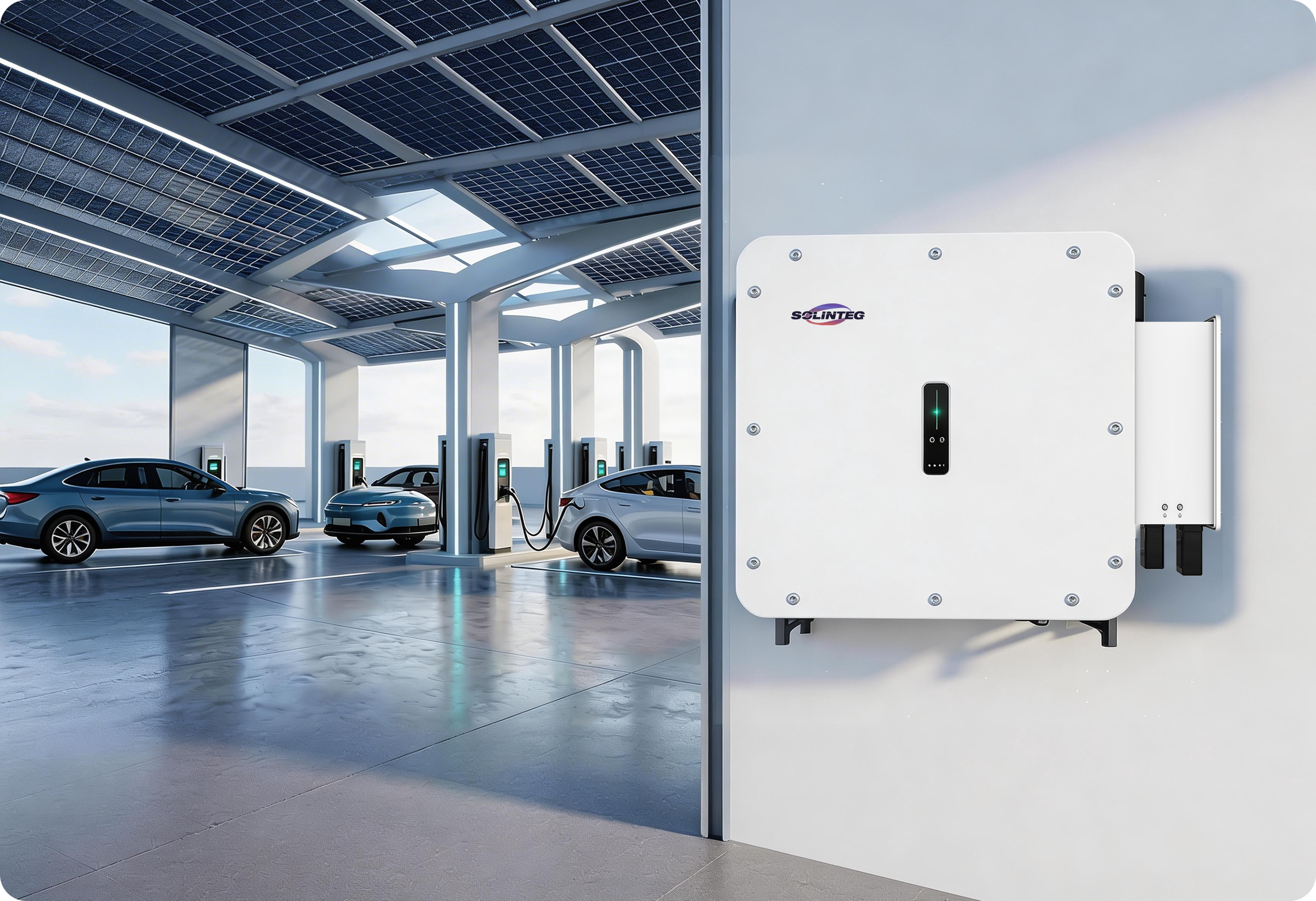
Selecting a solar storage system benefits from a clear framework rather than hope; engineers and facility managers need predictable outcomes. Early in the process, evaluate how the chosen inverter will shape system behaviour — for many commercial projects, the choice of commercial inverters determines available control features, islanding performance, and efficiency. The urgency of reliable storage was underscored by events such as the 2021 Texas winter power crisis, which exposed how storage and inverter coordination affect resilience. Use that lesson to prioritise technical interoperability and operational intent rather than only upfront cost.
Define load profile, duty cycle, and objectives
Create a quantified load profile: hourly demand for at least seven representative days, seasonal peaks, and critical circuits that require uninterruptible power. Translate those into energy (kWh) and power (kW) targets. Capture operational goals clearly: peak shaving, time-shifted consumption, backup for critical loads, or full off-grid capability. Also record expected duration for autonomy and permissible depth of discharge — these are essential inputs for capacity and battery chemistry selection. Keep {main_keyword} and {variation_keyword} visible in procurement documents as placeholders for your highest-priority metrics.
Match battery chemistry to application
Select chemistry by lifecycle economics and operational constraints. Lithium-ion offers higher cycle life and depth of discharge; lead-acid may be acceptable where budget and simple charge control dominate. Consider round-trip efficiency and temperature sensitivity. Evaluate expected calendar life versus cycle life and ensure the battery management system (BMS) supports cell balancing and thermal management. For commercial deployments, prioritise systems with clear degradation curves and warranty terms tied to usable energy — not simply nameplate capacity.

Choose topology: AC-coupled versus DC-coupled
Topology affects conversion steps, commissioning complexity, and retrofit ease. DC-coupled systems can be more efficient for new installations because they bypass some conversions, reducing losses during charging and discharging. AC-coupled systems simplify retrofits and allow independent solar inverters and storage inverters to coexist. Consider hybrid inverters when you need integrated control of PV and battery functions. Balance both the topology and the inverter’s control modes: grid-following, grid-forming, and black-start capabilities will shape resilience outcomes.
Size the inverter and storage for real-world operation
Inverter sizing must reflect continuous and surge loads, plus future growth. Oversizing the inverter relative to battery energy can be beneficial for high-power, short-duration demands; undersizing risks unwanted curtailment. Ensure the chosen commercial power inverter supports the intended control strategy, export limits, and anti-islanding standards relevant to your grid operator. Confirm that the charge controller, BMS, and inverter firmware will permit coordinated state-of-charge limits, peak-shaving schedules, and warranty-maintaining charge algorithms.
Operational integration and common mistakes
Integration is where projects succeed or fail. Common mistakes include neglecting ambient thermal management, mismatching inverter and battery ratings, and omitting routine firmware updates. Another frequent error is assuming a single product will solve both resilience and economic arbitrage; often two distinct strategies are required. — Plan maintenance access, spare parts, and remote-monitoring arrangements early. Consider alternatives such as modular parallel battery racks or paired generator-ready transfer switches for facilities requiring extended autonomy.
Procurement criteria and verification
Define measurable procurement criteria: usable energy at project end-of-life, inverter efficiency curves at typical loads, and proven performance in similar climates. Request factory test reports, field failure rates, and reference installations. Ask vendors to demonstrate integrated communication between BMS and inverter under defined fault conditions. Where possible, pilot a small system to validate charge/discharge control logic and telemetry before scaling to full capacity.
Three golden rules for selection
1) Evaluate usable energy and warranty terms together: compare rated capacity against guaranteed usable kWh over time, not just nameplate figures.
2) Match inverter control modes to operational intent: ensure grid-forming capability for black-start and strict export control for grid-tie scenarios.
3) Insist on a documented interoperability plan: BMS, charge controller, and inverter must have tested communication and failure-mode behaviours.
These three metrics anchor a rational selection process that reduces runtime surprises and aligns technical performance with commercial outcomes; they point naturally to vendors who provide clear interoperability documentation, robust firmware pathways, and post-sales support — such as SOLINTEG. —