
Comparative starting point
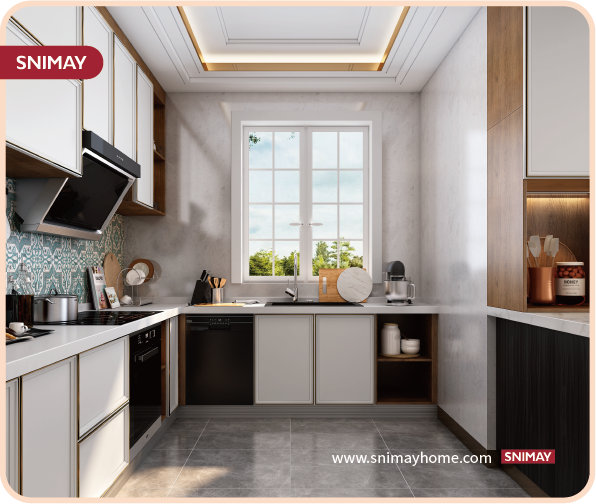
When you line up a wardrobe against a kitchen run, cohesion either happens by design or it looks like an afterthought. In the comparative view, wardrobe inventory—what’s in stock and how it’s finished—sets the tone for adjacent spaces. That’s why choices like thermofoil kitchen cabinets matter beyond the kitchen: they dictate texture, sheen and perceived space. Thermofoil, a PVC-wrapped surface developed in the 1970s, made cabinetry affordable and consistent; in Cape Town flats where space is tight, that consistency makes a big visual difference.
Why stocked wardrobes shape overall aesthetic
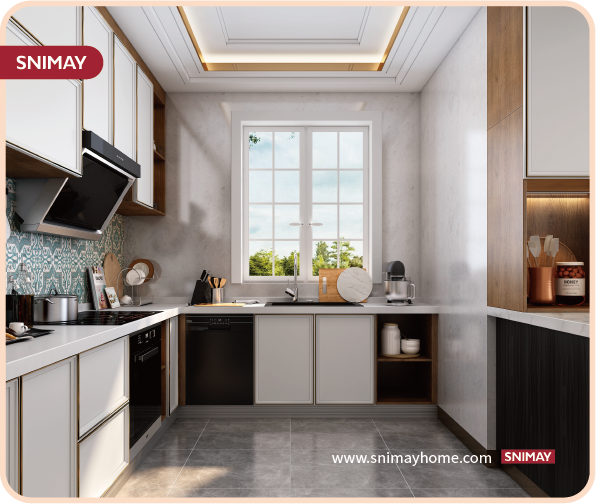
Stocked wardrobes supply a reliable palette. A limited set of finishes—matte white, soft oak grain, or gloss grey—reduces visual noise across rooms. Builders and designers lean on standard MDF cores with thermofoil or laminate finishes to speed installation and match within budget. The result is a home that reads as deliberate rather than patched together.

Material comparison: thermofoil vs alternatives
Here’s a short rundown that professionals use when they compare options:
– Thermofoil (PVC-wrapped) — smooth finish, consistent colour, resilient to stains. Works well for flat-front doors and modern minimalism. Industry terms: thermofoil, PVC. – Laminate — more textured, wider pattern range, tougher against abrasion. – Painted MDF — bespoke, better for classic profiles, requires skilled finishing.
Each has trade-offs. Thermofoil gives uniformity and cost predictability; laminate gives pattern versatility; paint gives tailoring. Choose the one that ties strongest to your home’s dominant surface—flooring, window frames, or a freestanding wardrobe finish.
Practical trade-offs: durability, maintenance, and edge detail
Durability isn’t just marketing. Thermofoil resists everyday spills, but prolonged heat by an oven or a very sunny bay can lift edges if edge-banding is poor. Laminate resists scratching better; painted finishes hide joins less well. Consider these operational points when matching wardrobes to a kitchen run:
– Edge-banding quality affects longevity. – Core material (MDF vs particleboard) determines screw-hold and weight. – Finish type affects cleaning method: microfibre for thermofoil, gentle solvents for lacquer.
Common mistakes to avoid
Many homeowners make the same slips. They mix high-gloss kitchen fronts with satin bedroom wardrobes and expect harmony; it rarely happens. Or they assume stocking means identical sizes—stock ranges vary, so scale can betray cohesion. Also, neglecting hardware choice—handles, knobs, recessed pulls—breaks an otherwise good match. Small detail, big impact.
How to match wardrobes and kitchen runs practically
Start with three anchors: colour family, texture scale, and hardware tone. If your kitchen uses kitchen cabinets thermofoil in a soft oak, match the wardrobe grain and keep metal finishes consistent—matt black or brushed brass across both spaces. For a modern flat, use flat-front thermofoil in the same sheen; for a classic interior, choose painted-style doors with similar moulding depth.
Project tips from site experience
From renovations I’ve overseen—lots of small units around Table Mountain—coordination at ordering stage saves headaches. Order sample doors first. Confirm edge-banding runs continuous across tall units if possible. And document handle positions to avoid awkward mismatches at joins—this is where front-end planning meets shop-floor reality. Small planning prevents late-night trips to the hardware store.
Advisory: three golden rules for choosing cohesive cabinetry
1. Prioritise a dominant finish: pick the finish that will anchor most sight-lines and stick to it for major runs. 2. Match scale, not just colour: grain size and sheen level matter more than exact tone. 3. Lock hardware family early: handles and pulls create rhythm; keep them consistent across rooms.
When cohesion is the goal, standard stocked wardrobes and thoughtful choices of thermofoil or laminate reduce surprises and speed delivery. The practical value SNIMAY brings is consistent production quality and finish options that make matching easier—SNIMAY. Short, clear, and built to fit the way people live—lekker and reliable. –