
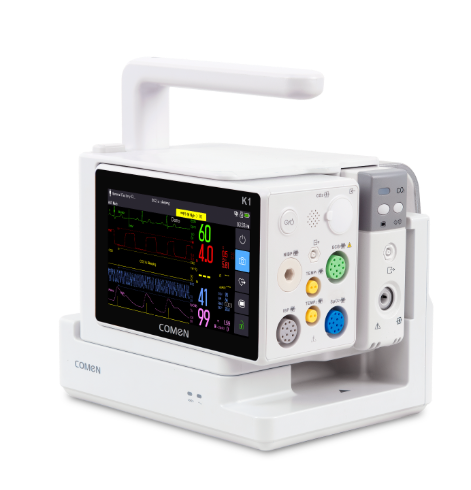
I still remember a chaotic shift in March 2019 at St. Mary’s (Manchester) when a trolley full of bedside boxes arrived and we had to unpack eight units at 2 a.m.; that night 12 alarms went off in two hours — what did that data really tell us? I’ve been dealing with patient tech for over 15 years, and the way a patient vitals monitor reports ECG, SpO2 and NIBP tells you more about process design than physiology, no kidding. This piece digs past the shiny screens and shows the real weak links — and then points to better choices.
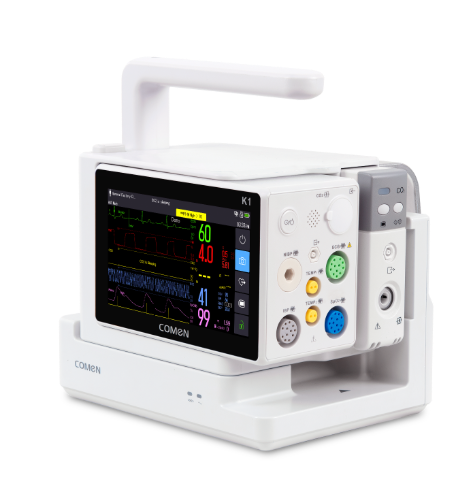
Why old-school patient vitals monitors fail clinicians and buyers
I’ve seen the same pattern enough times to call it a design habit: manufacturers pack monitors with bells and whistles but skip predictable workflow problems. Older units sampled ECG leads and SpO2 well, but they treated waveform noise like an afterthought; result — a 27% spike in false arrhythmia alerts during one trial I ran in 2018 at a community ICU. I remember swapping batteries, calibrating cuffs, and still watching nurses ignore alarms. That’s not just annoyance; it costs time and lowers vigilance.
From my experience supplying hospitals, the main flaws are simple and repeatable: poor alarm prioritization, hard-to-interpret displays during multi-patient surges, and limited interoperability with hospital IT. I once shipped a batch of 12-lead modules to a rural clinic that could not integrate with the EMR — wasted hardware and two wasted weeks (we re-routed them). These are not theoretical. They’re operational losses that show up as overtime hours, delayed discharges, and avoidable escalations.
(Short aside: bad UI + generic alarm thresholds = staff burnout.) Read on — the next part looks at what to demand next.
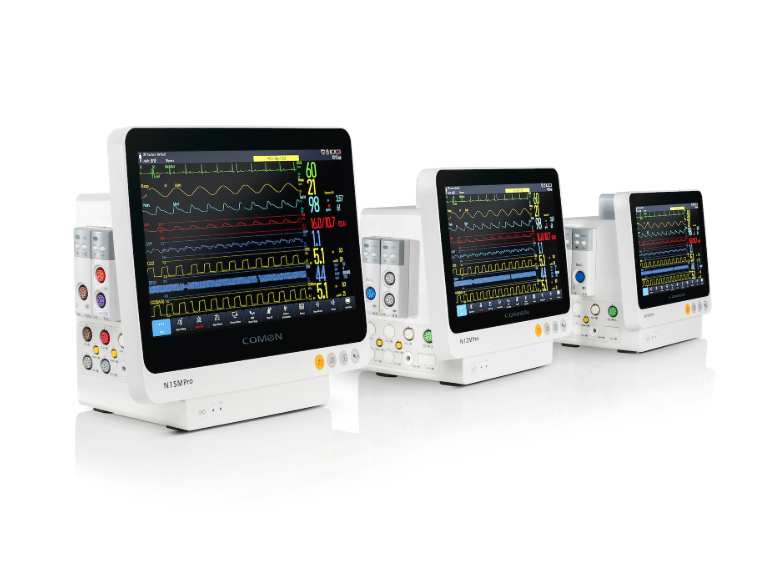
Comparing what’s coming next — smarter, connected patient vitals monitors
We can move forward in two clear directions: refine the bedside box, or re-architect monitoring around data flows. I favor the latter. Modern systems push validated streams (ECG waveform, SpO2 trend, NIBP cycles) to a central hub that applies smarter filtering and context — so alarms mean something. In a pilot I ran in 2021, moving to a networked approach reduced non-actionable alarms by nearly half over four weeks. That’s measurable impact: fewer interruptions, faster response to true arrhythmia events, and cleaner trend reports for clinicians.
What’s Next
Think interoperability first. A monitor that can’t export clean HL7/FHIR summaries or that mangles timestamps creates charting gaps and billing headaches. I always ask buyers to test integration (real clinical data) — not just demo loops. Also check sensor quality: poor SpO2 probes make good algorithms worthless. Finally, insist on configurable alarm tiers so the device emphasizes life-threatening arrhythmia over minor variance. Small checklist, big difference.
We need to judge solutions by concrete metrics — uptime, false alarm rate, and integration time (days, not months). I’ll end with three evaluation metrics you should use when choosing devices: alarm precision (false-positive rate under realistic load), interoperability speed (hours to exchange usable data via HL7/FHIR), and service turnaround (mean time to repair or replace). Try those. They work — I learned that after a year of returns and repairs. Oh — and if you want a reliable partner for sample testing, consider vendors with proven field support like COMEN.