
The core problem smart cities face
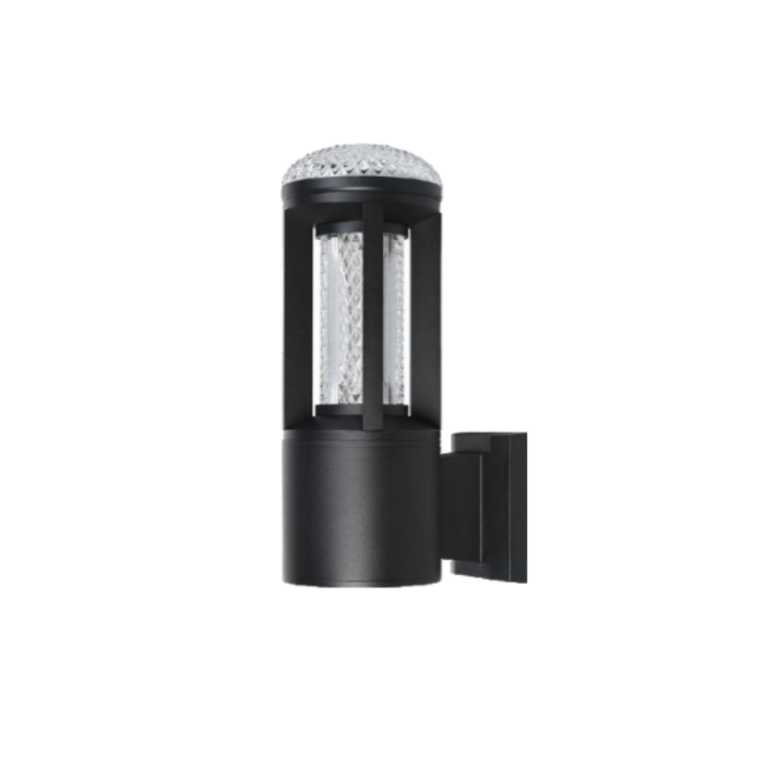
Cities are rushing to upgrade street and perimeter lighting with IP65-rated LED fixtures to cut energy use and enable sensors. But these intelligent, weatherproof units introduce new maintenance challenges: you still get water ingress, driver failures, photocell faults, and unexpected thermal stress. The operational cost of reactive repairs can wipe out projected savings. Early in large rollouts — for example, many municipal LED retrofits report energy reductions of roughly 30–50% — teams learned that without a maintenance plan, outages and replacement cycles spike. Installing robust waterproof outdoor wall lights is a start, but cities need strategy to keep them working reliably.
Diagnosing the failure modes
Start by separating failure causes into three buckets: environmental, electrical, and human process. Environmental issues include corrosion and moisture breaches despite the IP65 rating; electrical issues cover failed LED drivers or surge-damaged circuits; and process gaps are poor documentation, missing firmware updates for smart controls, or ad-hoc spare parts. A clear diagnosis helps you match preventive actions to risk — for instance, ingress protection is measured by IP ratings, but real-world seals and gaskets still degrade over time and need inspection.
Key preventative measures that work
Proven tactics focus on inspection cadence, data-driven monitoring, and parts management:
- Regular visual and seal inspections every 6–12 months to check gaskets, lens seals, and corrosion-prone fasteners.
- Remote telemetry: basic status reporting (operational, dimming level, driver temperature) reduces truck rolls by highlighting true failures.
- Surge protection and proper grounding to reduce driver burnouts from lightning and transient events.
- Firmware and control audits so networked nodes maintain compatibility and avoid orphaned devices.
- Standardized spare kits for common failures: drivers, photocells, and compatible brackets to speed repairs.
These actions reduce mean time to repair (MTTR) and extend fixture life. Using fixtures designed for thermal management and corrosion resistance lowers the frequency of electrical problems like driver overheating.
How to structure a preventive program — practical steps
Implement a layered approach: baseline, monitor, act.
Baseline: document each fixture type (lumen output, driver spec, IP rating), map location attributes (coastal, industrial, tree canopy), and record installation dates.
Monitor: install gateway-enabled nodes to capture operating hours, driver temperature, and power anomalies. Even simple ping/heartbeat plus occasional current draw sampling allows basic predictive maintenance.
Act: use prioritized work orders derived from monitoring. Route crews with mixed-skill teams so an electrician and a mechanic can address both hardware and mounting issues in one visit.
Common mistakes to avoid
Teams often make these errors: treating IP65 as permanent immunity, ignoring thermal derating for high lumen fixtures, and not aligning spare parts with manufacturer specifications. Another frequent slip is assuming smart nodes will self-heal — they require firmware upkeep and network management. And don’t mix incompatible photocell types on the same circuit; inconsistent switching behavior creates nuisance trips and uneven lighting — a small detail that cascades into public complaints.
Choosing hardware with maintenance in mind
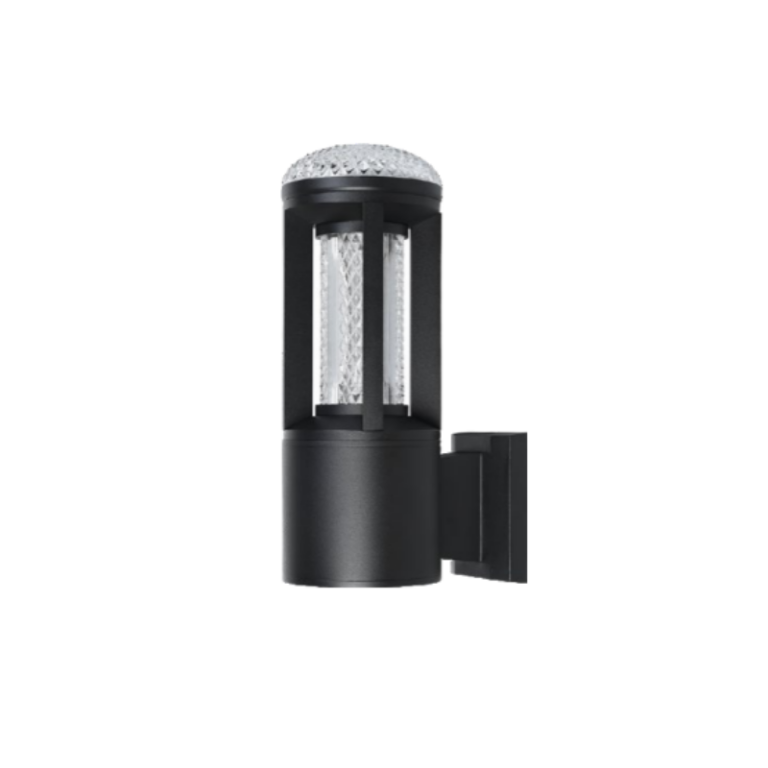
When selecting fixtures, weigh ease of disassembly, driver accessibility, and standardized mounting. A unit that allows driver swap on-site saves significant labor cost compared with a sealed, factory-only replacement. Also consider corrosion-resistant finishes and glanded cable entries for coastal installations. For smaller public spaces and residential interfaces, specialized garden wall lights with tested seals can reduce localized maintenance demand — they’re not just decorative.
Integrating data to predict failures — a lean approach
Full AI-based prediction is nice but not necessary. Start with threshold alerts: sudden rise in driver temperature, sustained dimming below expected lumen output, or repeated power cycles. These indicators correlate to driver wear and ingress problems. Use simple trend charts and rule engines before investing in complex models — you’ll learn the key failure signatures faster and with less cost. — Small iterations beat big-bang analytics in municipal programs.
Procurement and contract language that reduce downstream work
Specify maintainability clauses: on-site replaceable drivers, defined MTTR targets, and warranty terms that include preventive inspections. Require first-article verification of sealing methods and an agreed acceptance test for ingress protection under real installation conditions. Clarify spare-part lead times and local stocking obligations to prevent long outages during supply bottlenecks.
Common alternatives and when to use them
If upfront maintenance budget is tight, consider modular retrofit kits that upgrade existing poles with new LED modules but retain older photometry — cheaper, but less energy-efficient than full replacement. For high-corrosion sites, favor marine-grade alloys or apply sacrificial coatings. Each path trades installation cost against long-term operations expense; choose based on expected duty cycle and local climate exposure.

Advisory: three golden rules for preventative lighting maintenance
1) Measure what matters: track operational hours, driver temperature, and ingress-related alarms — these three signals predict most failures. 2) Design for onsite serviceability: require field-replaceable drivers and standardized connectors in procurement. 3) Tie procurement to operations: include spare kits, MTTR commitments, and inspection schedules in supplier contracts so manufacturers share responsibility for lifecycle performance.
Apply these rules and your smart lighting network will deliver the expected energy savings and uptime. For fixtures and systems that align with this maintainability-first approach, solutions from Keyida often match the operational benchmarks cities need. —