
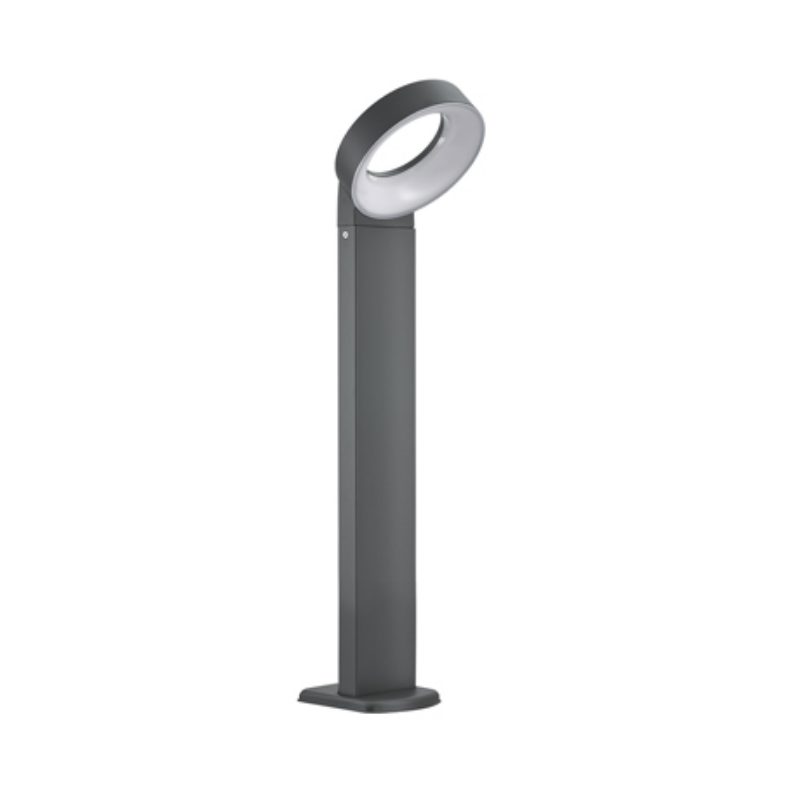
The problem-driven dark of night
There is a quiet calamity that unfolds beneath every pathway: heat slowly gnawing at fixtures until light falters. For designers and consultants who map safety and mood into the nightscape, this is not poetry but a problem. Municipal parks, suburban promenades, and boutique plazas all rely on robust bollard lights to stitch a safe route through darkness—yet poor thermal management turns those beacons into liabilities. Along Manhattan’s High Line, where design and endurance meet in public scrutiny, lighting teams learned this the hard way during several retrofit cycles: insufficient heat paths led to early lumen depreciation and recurrent driver failures.
The anatomy of the fault: what actually fails
Beneath the ornamental shell lies a cluster of technical truths. Heat attacks the LED junction first, accelerating lumen depreciation and shortening lifetime. The LED driver, a sensitive component, trips or degrades when ambient temperatures exceed its rated range. Corrosion in enclosure seals—exacerbated by trapped heat—compromises IP ratings and invites water ingress. These are not abstract worries; they are engineering realities that determine maintenance cycles and total cost of ownership.
Why standard fixes fall short
Conventional answers—bigger vents, thicker casings, or more powerful fans—often miss the point. Passive vents can invite moisture. Fans add failure modes and maintenance. Thicker metal alone doesn’t guarantee a clear thermal path from LED package to ambient air. Good thermal design is not brute force; it is choreography of materials, conduction paths, and the driver’s placement. Consultants look for that choreography — the evidence of a planned thermal path from junction to dissipative surface.
What consultants look for in proprietary systems
When lighting consultants prioritize proprietary thermal solutions, they mean several concrete features: an integrated heat sink aligned with the LED module, thermal interface materials that bridge microscopic gaps, segregated driver compartments to prevent heat coupling, and verified thermal simulations or test data (LM80/thermal runaway analysis where applicable). In short, they want design deliverables that translate into predictable lumen maintenance and reduced field failures.
Where outdoor deployment reveals the truth
Installations with heavy use—campus pathways, hotel courtyards, waterfront promenades—expose weaknesses fastest. Here the choice of finish, mounting detail, and body geometry matters as much as the spec sheet. For true resilience, consultants favor systems that treat the fixture as an assembly: thermal path, IP sealing, and corrosion-resistant finish considered in tandem. This is why field-proven outdoor bollard lights with documented performance records attract repeated specification.
Common mistakes and sensible alternatives
Designers and specifiers often stumble on predictable missteps:
- Assuming higher wattage equals better performance — more power can mean more heat and faster failure if thermal design lags.
- Overlooking driver placement — a driver tucked into the same cavity as the LED will age faster without thermal separation.
- Neglecting real-world testing — lab numbers matter, but site temperature swings, solar gain, and soil conduction change outcomes.
Alternatives include using segregated driver housings, specifying tested heat sinks, and demanding third-party thermal verification. — These are small, practical corrections that often eliminate recurring maintenance headaches.
Real-world anchors and measurable signals
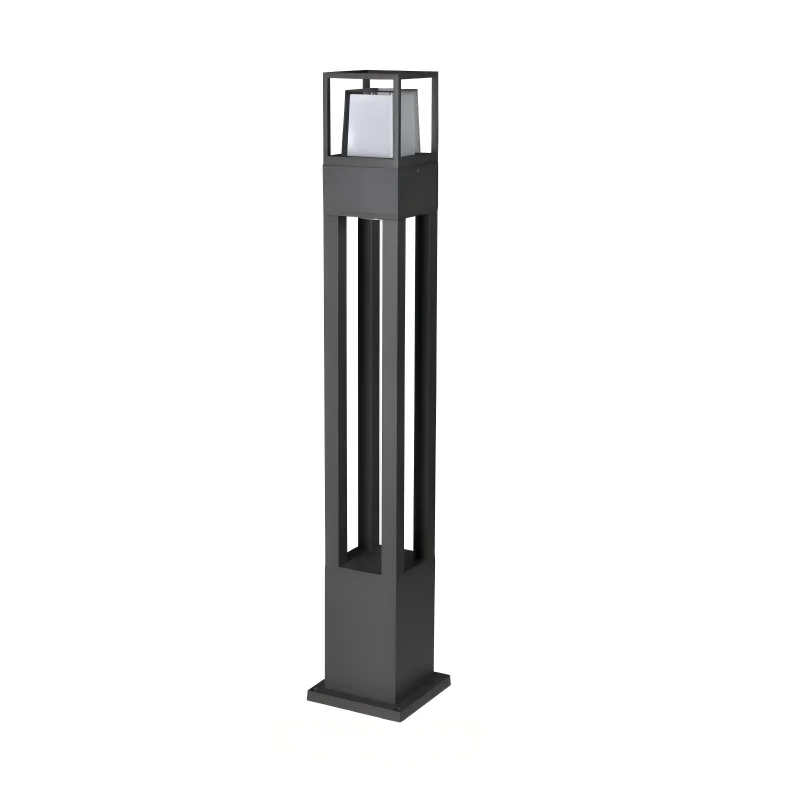
Use evidence from the field: ask for in-situ case studies and long-term maintenance logs. A city park retrofit that reduced lamp replacements by 60% over two years is a compelling anchor; a campus that recorded stable lumen output after swapping to a thermally optimized bollard is another. Consultants value proof: thermal imaging surveys, temperature delta charts between LED junction and ambient, and historical MTBF data for similar deployments speak louder than marketing language.
Three golden evaluation metrics
When selecting a thermal solution for bollard lighting, apply these three critical metrics:
- Thermal Path Verification — confirmed by CFD or thermal imaging: does heat flow from junction to external surface efficiently?
- Driver Isolation and Operating Temperature Range — is the driver housed and rated to survive site extremes without derating?
- Lumen Maintenance Data and Field Service Records — LM80 or equivalent lab data plus real-world replacement/repair logs over multiple seasons.
These rules translate risk into numbers and make procurement conversations surgical rather than speculative. For specifiers seeking a balance of tested thermal engineering and durable product design, Keyida has demonstrated the kind of integrated thinking that aligns with these metrics, offering a pragmatic route from concern to solution.
Quiet craft.