
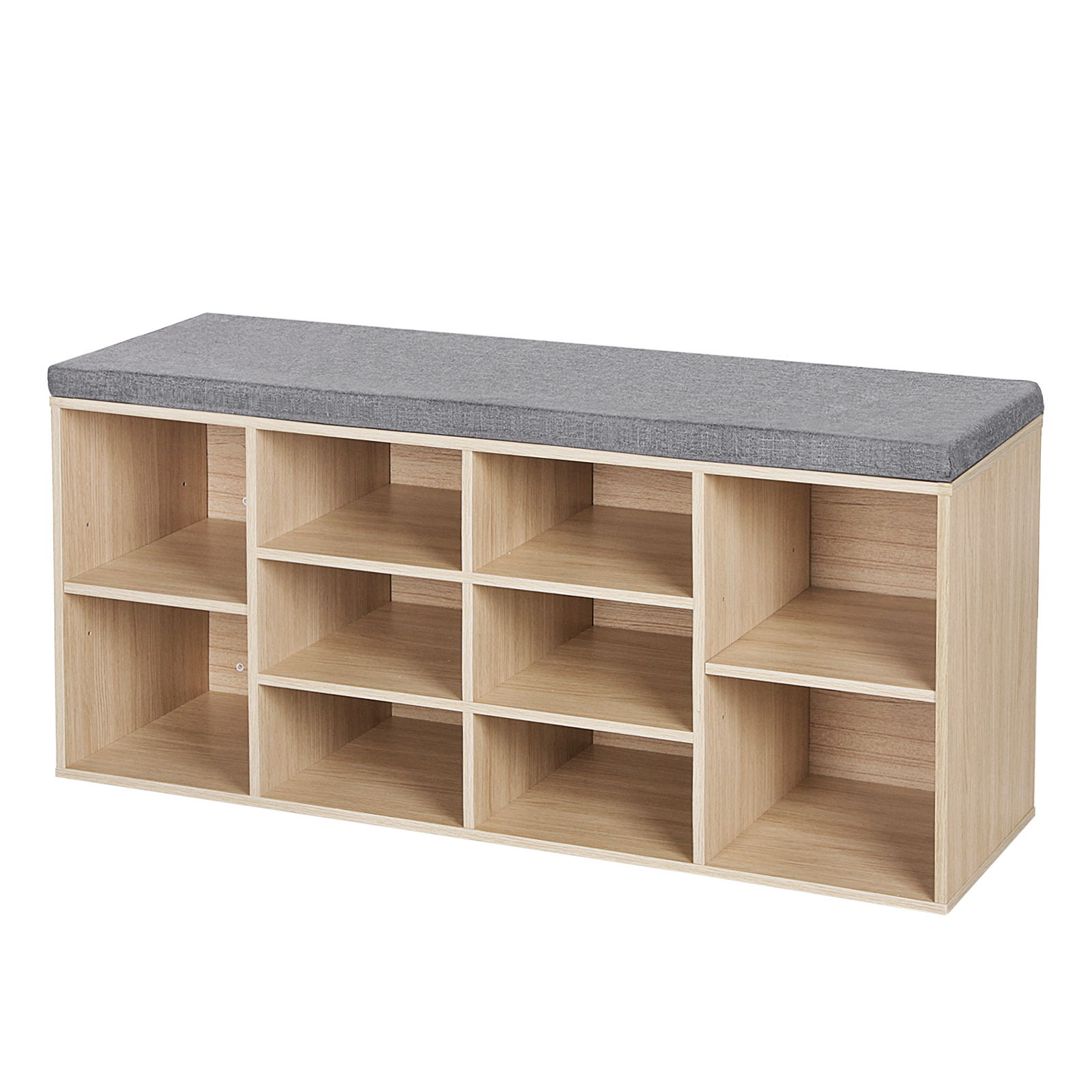
From Muddy Boots to Measured Design
You step in from the drizzle, boots caked, hallway tight as a cider press. A shoe cabinet manufacturer sees this scene every day, from cottages to flats. Many homes lose useful space to clutter, and the entry becomes a bottleneck. Working with a shoe cabinet supplier sounds simple, but the real win is how the unit shapes the flow, not just how many pairs it holds. In tests, even a 10 cm depth change can free a walkway—funny how that works, right? Yet most of us still grab a deep box and hope for the best. It looks tidy on day one, then creaks, scuffs, and swallows the corridor by week three (proper job, that).
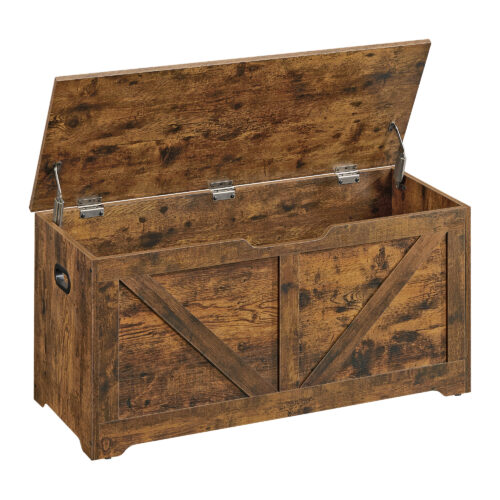
Here’s the rub: the hallway is a high-friction zone. Wet soles, wonky walls, quick drop-offs, and late-night returns. The kit must absorb knocks, breathe out moisture, and fit flush against uneven skirting. That’s a tall order. So, let’s unpack the snag points and see what better looks like next.
The Hidden Frictions in Traditional Cabinets
Why do clever specs still fail at home?
Traditional fixes look neat on paper. A tall unit with doors, a few shelves, and a shiny veneer. But airflow is poor, so moisture lingers. Odours rise. MDF panels swell at the edges when spills slip under the plinth. Hardware suffers too: hinge torque drifts, and cam lock fittings loosen with daily slam-and-dash use. Add a glossy laminate veneer and you’ve got scuffs within weeks. Look, it’s simpler than you think: without vent slots, wipe-friendly finishes, and stable joinery, the box fights the house instead of working with it.
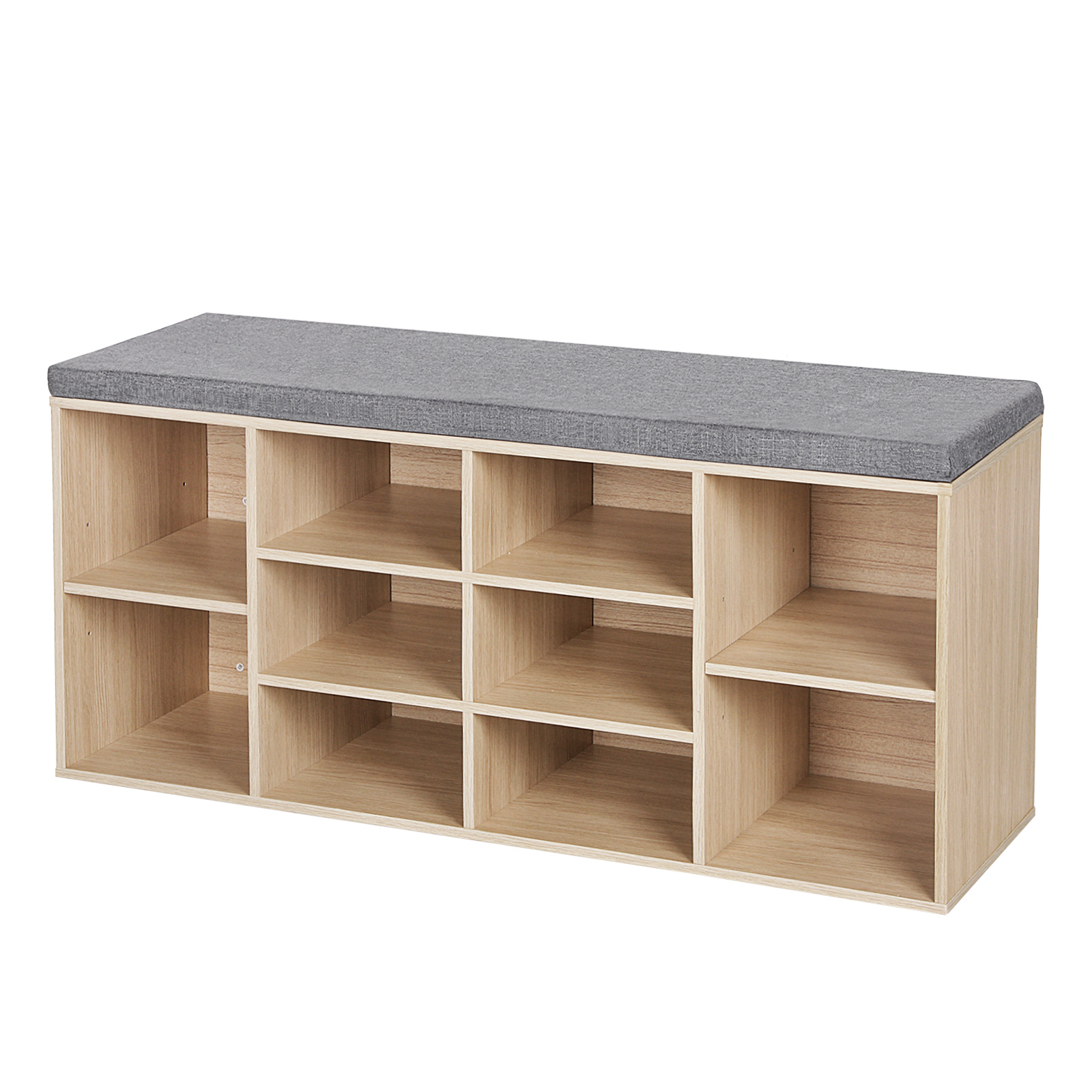
Hidden pain points stack up. Load-bearing rating is often quoted for static shelves, not real-life side loads from kids leaning in. QC variance across SKUs means the same model can fit snug in one hall and wobble in another. Minor CNC drilling offsets turn into doors that catch and frames that rack. Cable runs for dryers or power brushes get blocked. Even the kick space matters; too shallow and the cabinet trips toes, too deep and you lose passage width. These flaws don’t shout in the catalog, but they shout at home—every single day.
Comparative Insight: New Principles, Better Outcomes
What’s Next
Forward-looking makers borrow from light manufacturing and lean fit-out. Think modular chassis, breathable facades, and small but tough hardware. Powder coating on steel frames resists chips. Edge banding seals panels against splash. CNC nesting trims waste and tightens tolerance, so hinges align and doors close clean. Some shoe cabinet manufacturers in china now add UV-cured finishes to cut VOCs and speed cure time. They use adjustable feet to cope with sloped floors, and anti-tip brackets as standard. The results are quiet: better airflow, quicker wipe-downs, stable carcasses, fewer returns. And yet, it’s the small things—soft-close hinges, a deeper toe kick, a vented back—that shift the experience from “box in a hall” to “flow that works.”
So, what do you measure when you compare options? Aim for three clear checks. One: airflow and moisture management, shown by vent area, finish type, and shelf perforation. Two: durability under motion, proven by hinge cycle counts (50,000+), load-bearing tests, and fastener spec beyond basic cam locks. Three: fit-for-space metrics, like pairs-per-metre, door swing clearance, and tolerance data from CNC routing reports. If you also see traceable materials, low-VOC finishes, and stable lead times, you’re on steady ground. In short, pick the cabinet that shapes movement first, stores shoes second, and shrugs off daily knocks without fuss. That’s the quiet upgrade your hall needs—and the one you’ll notice every wet Tuesday. For a closer look at practical builds and supplier standards, see SONGMICS HOME B2B.