
Introduction — a short shop story
I was once in a makerspace where a new member shrank back from a printer because the air felt “off.” We all laughed — until the kid started coughing. 3D printer fume extractor was the phrase I kept hearing after that (and yes, I say it more than I should).
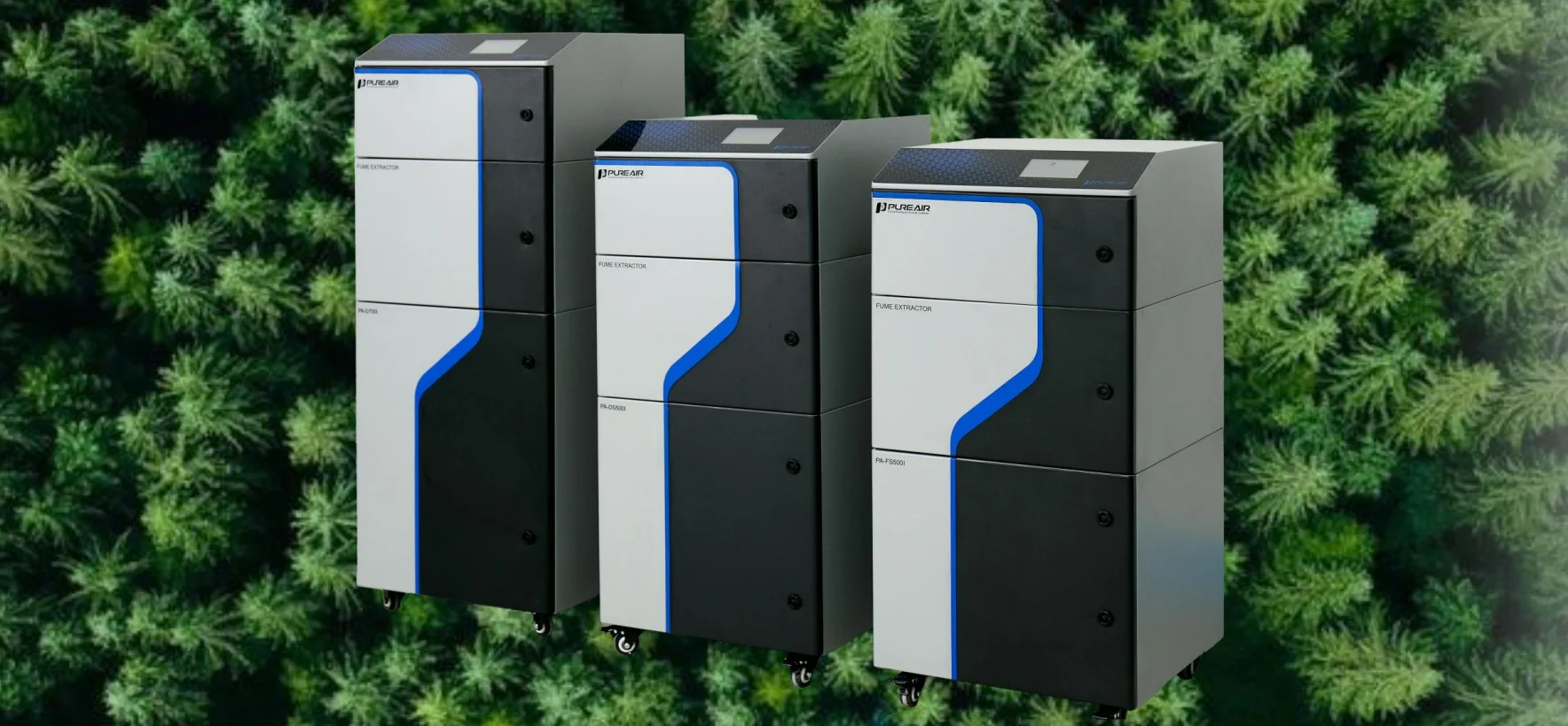
Small builds, lots of PLA and ABS, and a dozen prints running over a week — data shows particle spikes in small rooms can rise 3–5x during heavy printing. So I asked aloud: how do we keep the air safe without turning the shop into a lab? 🤔
Short story: I dug in. I wanted to know what people actually do. I also wanted simple wins you can try tonight. No jargon wall. Just steps, facts, and a few real fixes (— funny how that works, right?).
Next, I’ll pull apart where most setups fail and what users secretly complain about. Then we’ll look at smarter tech that can help. Keep reading — this gets practical fast.
Part 2 — The real pain: why common fixes miss the mark
When you search for 3D print dust collection, you mostly see boxes and hoses. That’s fine, but I found two big gaps fast. First, many systems only focus on visible dust and ignore VOCs and ultrafine particles. Second, people assume higher fan speed equals better protection — not true.
What’s failing?
Here’s the tech breakdown. HEPA filters capture particulates down to 0.3 µm, but they don’t neutralize gases. Activated carbon helps with VOCs, yet many units have too little of it. Airflow velocity matters; bad ducting or wrong fan curves drop capture efficiency. Add in worn seals and poor placement and your “solution” barely moves the problem. Look, it’s simpler than you think — placement and a combined filter train beat raw power alone.
I talked to hobbyists and small labs. Their hidden complaints were consistent: noisy units, short filter life, and unclear maintenance cues. They told me they replace filters only when smell gets bad, not by measured pollutant levels. That’s backwards. Sensor nodes and periodic PM2.5 checks would help. Also — people hate confusing controls. So solutions need clear metrics: capture rate, noise (dB), and consumable cost. Those three tell the true story.
Part 3 — New principles and how to choose what lasts
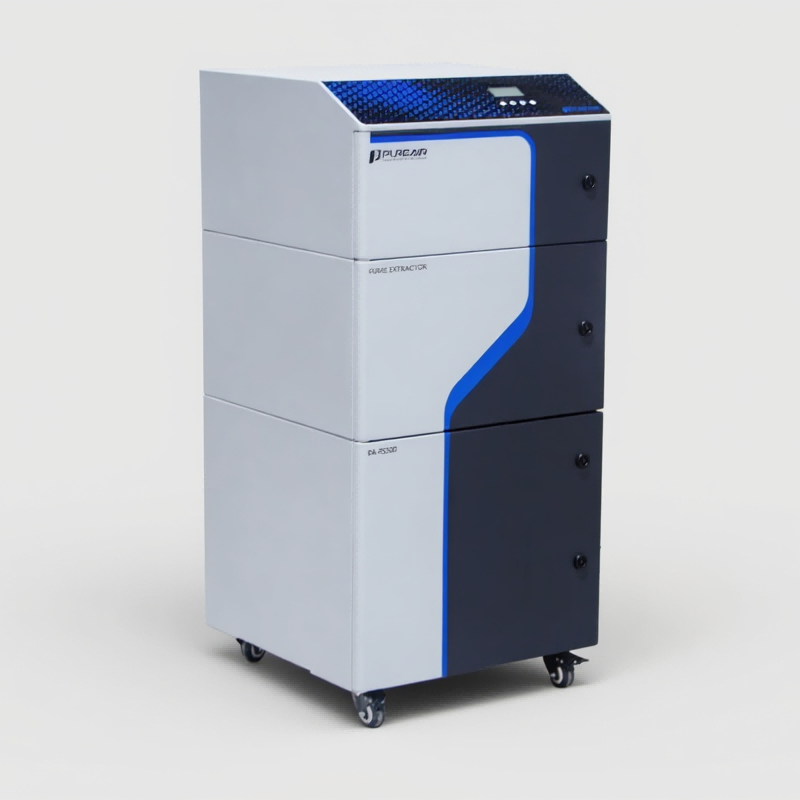
What’s next? New tech blends smart sensing with modular filtration. Think edge computing nodes that read VOC sensors and PM2.5 in real time, then tune fan speeds and switch filter stages. Combine that with better power converters and variable-speed blowers and you get efficient capture without a roar. For a design to work in a small shop, it should be modular, readable, and low-maintenance.
What’s Next
For example, a unit that uses an initial pre-filter, followed by HEPA and an activated carbon stage, plus sensors feeding a small controller — that covers particulates and gases and adjusts flow based on need. I’ve tested setups where smart control cut filter wear by nearly half and kept PM2.5 under recommended levels in crowded rooms. That’s measurable. Real-world wins matter more than feature lists.
Here are three quick metrics I use now when evaluating any system: capture efficiency at the source (percent), operation noise (dB), and total cost of ownership (filters + power over 12 months). Score those, and you’ll pick a system that fits your space and habits. I’ve learned to trust real numbers over slick marketing — and you should too.
In short: aim for combined filtration, smart sensing, and clear maintenance cues. That keeps people comfortable and prints running. For practical gear and more detailed options, check out PURE-AIR — they build tools that match these principles and let you focus on printing, not worrying about the air.