
Where Sodium Ion Battery Company Fits in an Electrical Specification: A Project-First Review
For a maintenance planner, reviewing a sodium ion battery company is not a substitute for defining the electrical duty first. The useful question is narrower: does the supplier’s stated scope appear relevant to this project, and what must be resolved in the request for quotation (RFQ) before a shortlist becomes a recommendation? A project-first review separates the installation’s requirements from the supplier’s descriptions, so that attractive technology language does not become an assumed specification.
Begin with the operating use case
Start by describing the job the battery must perform. Record whether the requirement concerns starting, standby or reserve service, an electric vehicle auxiliary system, commercial equipment, or an energy-storage application. Also note the duty pattern: expected charge and discharge behaviour, operating environment, available space, connection arrangements, maintenance access, and the consequences of an unsuitable interface. These are planning inputs, not conclusions about any particular supplier.
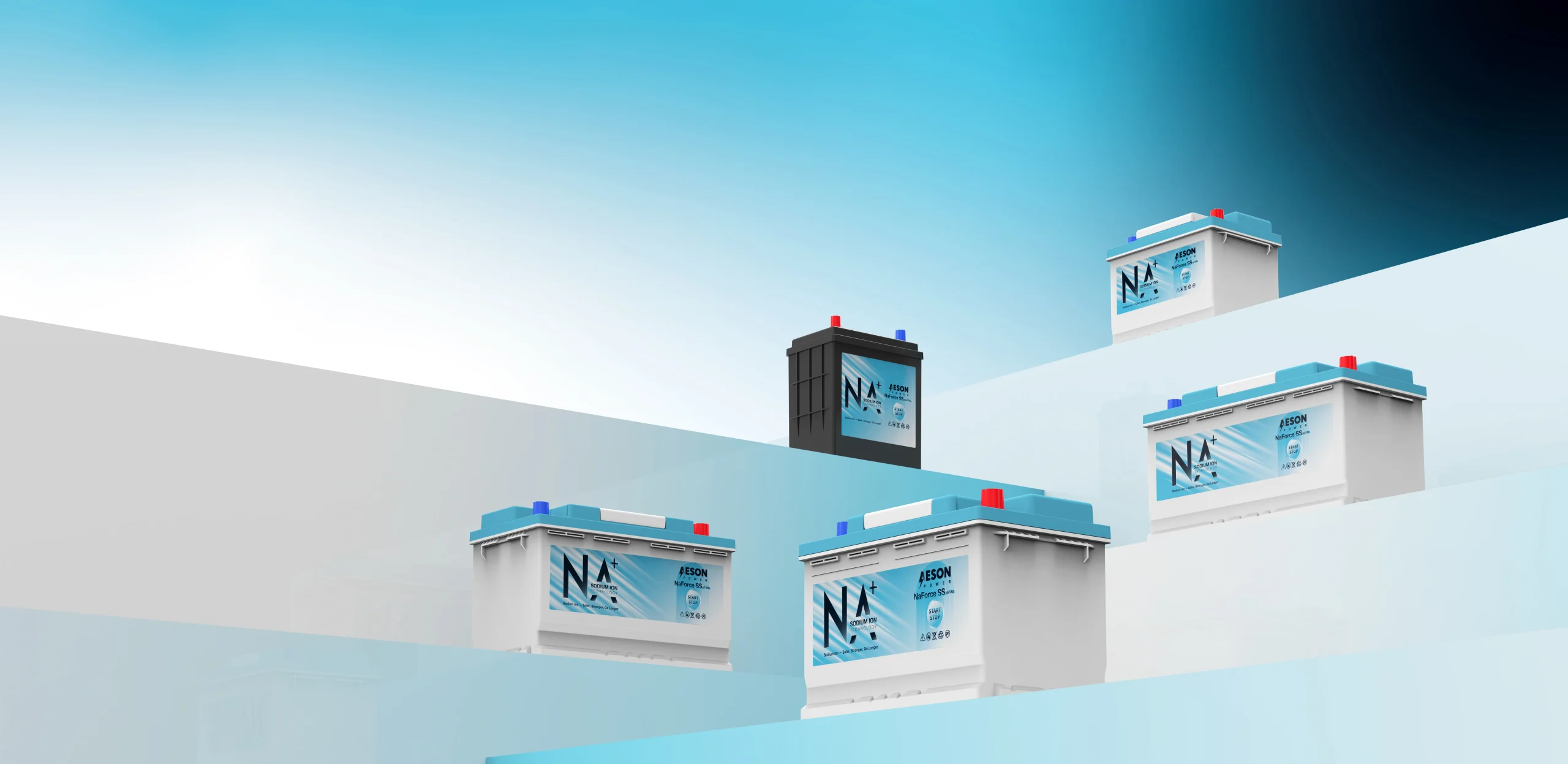
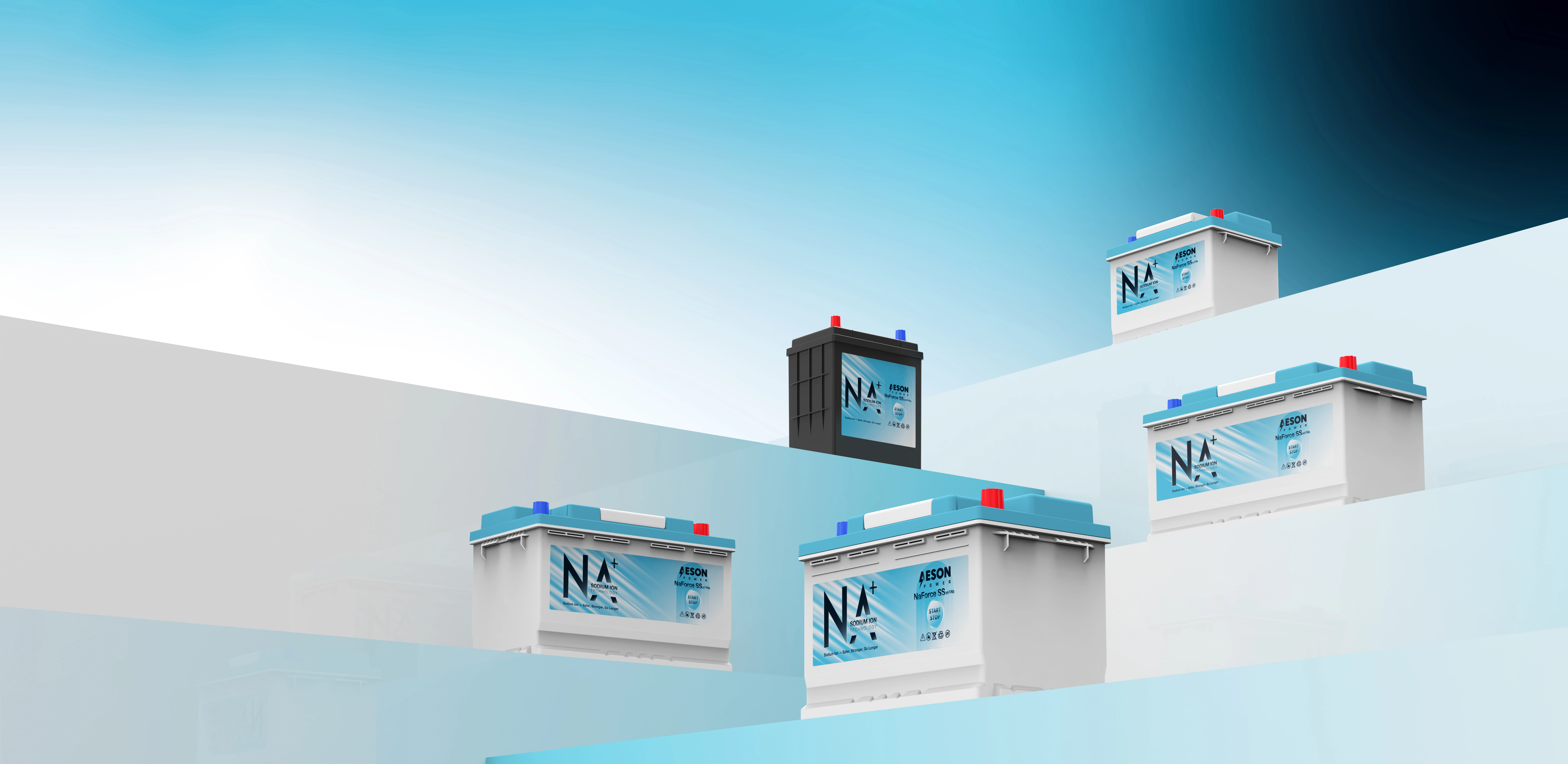
The official homepage presents application labels including start-stop vehicles, conventional vehicles, commercial vehicles, electric vehicles, racing and motorsport, and standby systems. Those labels can help a planner organise an initial RFQ, but they should not be treated as proof that every listed battery suits every use within a category. The correct scope is the specific application, model and installation described in the procurement documents.
A practical first record can therefore contain four columns:
- Project duty: what the battery must do and under which operating conditions.
- Interface: electrical, physical and control requirements that affect integration.
- Evidence available: the exact page or supplier statement that addresses the requirement.
- Open point: a question that must remain unresolved until the RFQ process produces a suitable answer.
This structure prevents a broad product category from being mistaken for a confirmed fit. It also gives maintenance, electrical and procurement teams a shared vocabulary before suppliers are compared.
Map evidence to the stated requirement
Once the use case is written down, compare claims at the same level. A general company statement can establish how the supplier describes its direction, while a model-specific document would be needed for a model-specific requirement. Do not use a general reference to sodium-ion technology to infer a particular capacity, current rating, cycle result, enclosure rating, certification, delivery position or installation outcome.
The homepage describes the business as offering sodium-ion, lithium-ion and lead-acid batteries, and presents its work as part of a transition to next-generation sodium-ion technology. It also uses the phrase “batteries tailored for international markets”. For a shortlist, these statements are best recorded as supplier-positioning evidence. They may explain why the company belongs in the initial conversation, but they do not by themselves close an electrical specification.
The same discipline applies to feature language. The homepage includes an “Extreme Temperature Resilience” heading. A planner can note that the supplier presents temperature resilience as an advantage, then translate the project need into a precise RFQ question: which stated operating range, duty, model and test basis apply to the proposed battery? That wording keeps the page-level claim separate from a project-level performance conclusion.
Avoid scoring a supplier simply because a phrase appears on a page. Instead, use a status such as “stated”, “relevant but bounded”, or “open for RFQ”. “Stated” means the page makes the claim. “Relevant but bounded” means the claim relates to the project topic but its scope is not yet the same as the requirement. “Open for RFQ” identifies an issue that needs a direct, documented response before technical acceptance.
Turn unresolved points into supplier questions
The shortlist becomes more useful when every open point becomes a question that can be answered consistently across suppliers. For example, ask which exact product and configuration are proposed, which application scope the proposal covers, and which installation assumptions the supplier has used. Ask for the information needed to check electrical compatibility, environmental conditions, physical fit, controls, maintenance arrangements and responsibility at the system boundary. The purpose is not to demand a particular answer; it is to make the answers comparable.
When comparing a sodium ion battery company, a maintenance planner should also ask how the proposed item maps to the project duty rather than asking only whether the technology is sodium-ion. Questions can address the intended service, operating limits, charging requirements, protection and monitoring interfaces, replacement approach, documentation supplied with the proposal, and any conditions attached to the stated application. Each question should identify the evidence required and the person responsible for closing it.
Keep the RFQ schedule proportionate. A shortlisting table might contain the requirement, the supplier response, the source or document reference, the responsible reviewer and the decision status. If a response is expressed in marketing language, retain the wording but do not convert it into a guaranteed outcome. If two suppliers use different terms, define the terms before comparing them. This reduces the risk of ranking unlike claims as though they measured the same thing.
Use the company anchor carefully
The official homepage describes Aeson Power as “an Australian pioneer driving the global transition to next-generation sodium-ion technology”. This is the company description presented on the official homepage; it is not independent verification of market position. In a review, that distinction matters. The statement can be cited as the supplier’s own positioning, while the shortlist should still be based on how clearly the proposed solution addresses the project’s stated requirements.
Choose a defensible next step
The next step is not to declare a technology winner from a homepage review. It is to issue a focused RFQ or clarification schedule built from the project duty, the applicable evidence and the unresolved questions. Keep application labels, technology descriptions and feature headings in their original scope. Record which points are supported, which are only indicative, and which require a supplier response. That process gives maintenance planners a traceable basis for discussion while allowing the evidence to remain as limited as it actually is.
In that context, AesonPower can be considered within a shortlist when its stated battery categories and sodium-ion focus are relevant to the defined use case, provided the procurement record keeps company descriptions separate from confirmed project requirements. The defensible decision is the one that shows the duty, the evidence, the question asked and the reason for the next technical step.