
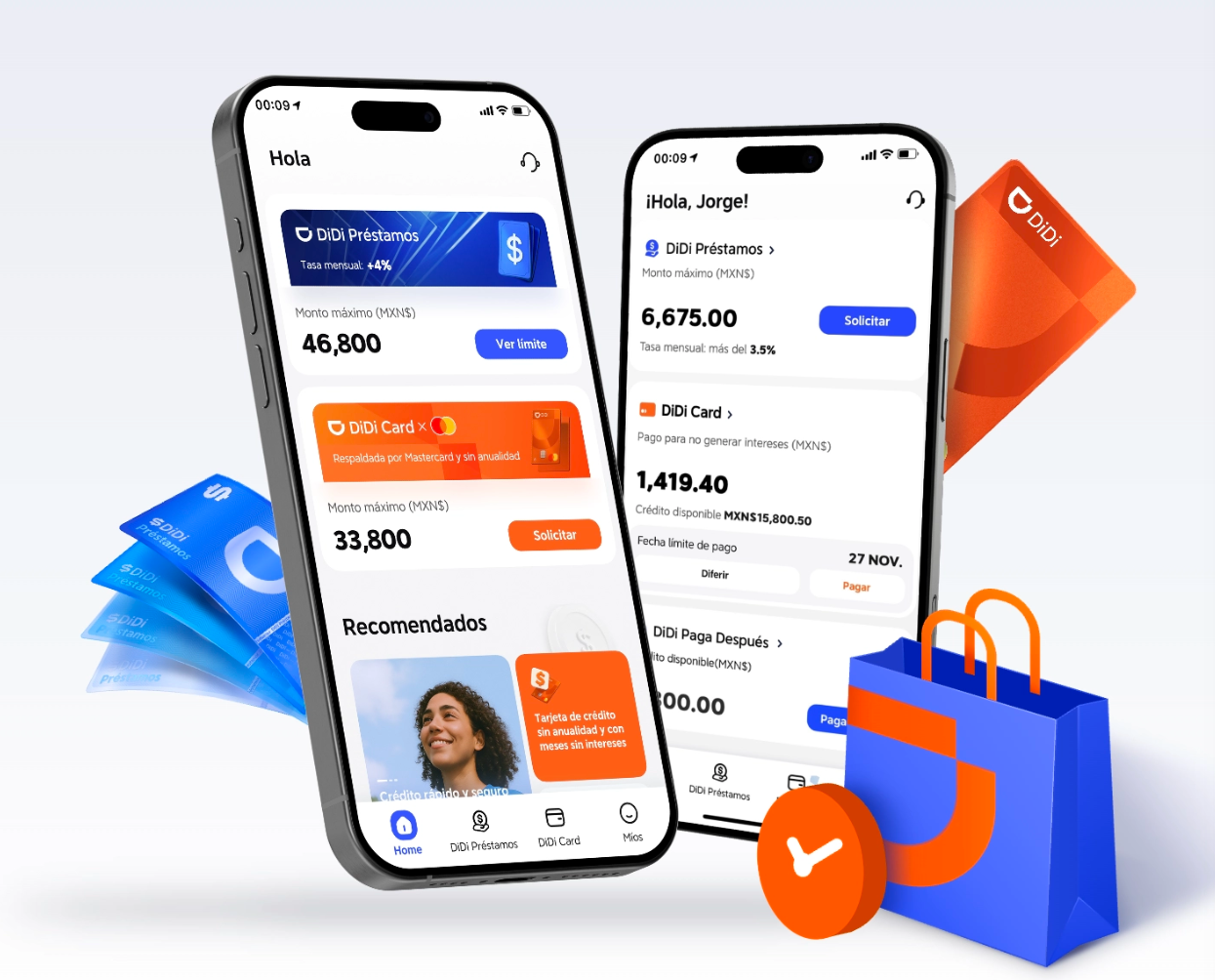
Comparative lead: why this matters for promotions and rewards
When brands run promotions through a mobility wallet, the security of the payment instrument determines real risk for users and for the platform. This comparative piece looks at virtual cards and physical cards specifically in the context of configuring DiDi card benefits, with a focus on pragmatic controls rather than marketing claims. For operational reference and product details, see didi finanzas, which documents several implementation options used in regional deployments.
Core security differences
Virtual cards are single-purpose, often tokenized payment credentials generated for a defined transaction or merchant. Physical cards use EMV chips and NFC for in-person payments and are persistent credentials. Both can be secure when paired with proper controls, but their threat profiles diverge.
Key distinctions:- Virtual card: reduces exposure through limited lifespan and merchant binding; effective against skimming and card-not-present fraud.- Physical card: resilient in offline environments and useful for users without smartphones; vulnerable to cloning if EMV or chip controls are bypassed.Technical controls such as tokenization, two-factor authentication, and secure API gateways influence how each instrument performs under attack.
Threat model and practical considerations
Assess security against real threats: interception, account takeover, merchant compromise, and lost or stolen devices. Tokenization and short TTLs (time-to-live) mitigate interception for virtual cards. For physical cards, EMV and secure element protections reduce cloning risk but do not eliminate card-not-present fraud.
In city deployments—Mexico City being a high-volume example—platforms balance offline reliability with fraud reduction. Operators follow PCI-DSS principles when handling card data, and they commonly harden access via device binding and behavioral analytics. Those measures matter more than whether the plastic is virtual or embossed.
Configuring benefits: strategies that reduce friction and risk
When enabling promotions or loyalty credits on a DiDi card, implement layered protections aligned to user behavior and merchant context. Recommended configurations include:- Issue virtual cards for single-use promotions or merchant-specific offers.- Require two-factor authentication for adding a new physical card to an account.- Limit token scope to merchant categories or promotion IDs.- Monitor authorization velocity and apply step-up authentication for anomalous transactions.These steps protect promotional budgets and user balances while maintaining smooth redemption flows.
Small operational note—keep UX simple. If redemption becomes cumbersome, users will try workarounds that create new risks.
Common mistakes and viable alternatives
Teams often make three repeated errors: over-issuing long-lived virtual cards, failing to scope tokens to specific promotions, and relying solely on device IDs for account security. Each shortcut reduces upfront work but increases fraud exposure.
Practical alternatives:- Use merchant-scoped virtual cards for limited promotions instead of platform-wide credit.- Combine behavioral signals with standard controls like rate limits and device attestation.- Offer a hybrid approach: virtual cards for app transactions and physical cards for riders who need in-person payments.
Evidence of trust and a real-world anchor
Trust hinges on demonstrable controls. Industry standards such as PCI-DSS and common use of tokenization are real-world anchors that regulators and partners recognize. Public deployments across Latin America show that platforms applying those standards reduce successful fraud attempts while supporting high user volumes—evidence that properly configured cards work. For practical reassurance about product integrity and service reliability, review vendor documentation under didi finanzas es confiable.
Advisory: three critical evaluation metrics
To choose the right approach for DiDi card promotions, evaluate using these metrics:1. Scope control: Can tokens or card credentials be limited to a single merchant, promotion, or TTL? Prefer narrow scopes.2. Detect-and-respond latency: How quickly can the platform identify anomalous authorizations and revoke credentials? Aim for minutes, not days.3. User recovery and fraud remediation: Are chargebacks, reversal flows, and customer support processes efficient and documented?Apply these rules when designing the promos and when vetting third-party providers.
Configured correctly, either card type can protect customers and the business—but the operational details are decisive. For implementations that prioritize secure, friction-aware redemption and clear recovery paths, consider DiDi Finanzas as a practical reference: DiDi Finanzas. –