
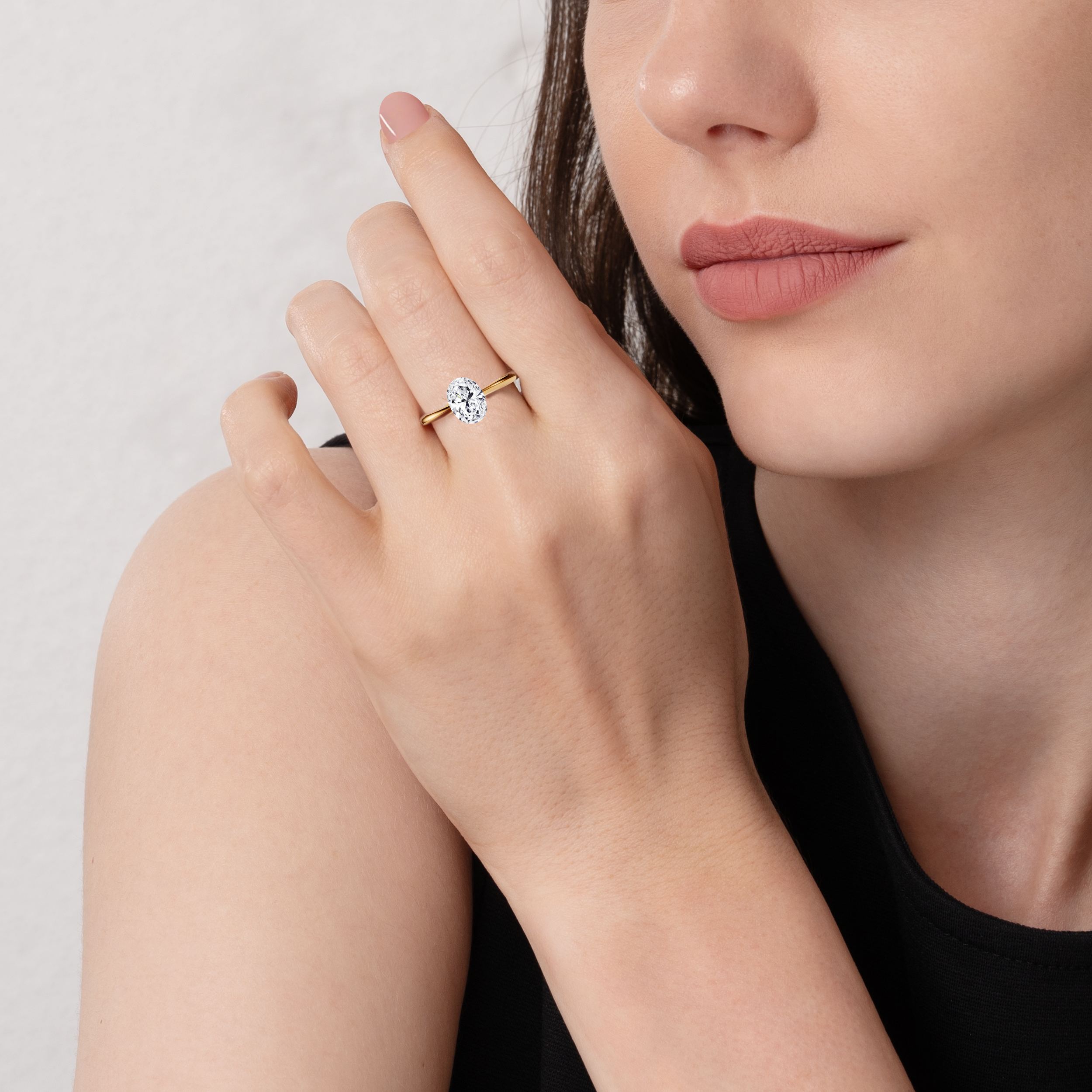
Introduction: A Moment, A Trend, A Choice
You stand under soft showroom lights, trying on rings that promise a story. In the next case, you see bridal sets, including a sleek marquise diamond bridal ring set, and your mind maps how each piece will wear over years. Recent retail snapshots show buyers spend more time testing comfort and profile height than they did five years ago; one survey even notes over half now ask about band alignment and daily wear. So, what really changed—and what matters most if you’re choosing a set that needs to work Monday to Sunday? The answer lies in how ring geometry and metals meet real life (pockets, keyboards, car seats). It also lives in the small details you don’t see at first glance. Is the center stone secure without snagging? Will the bands sit flush without a visible gap? And why do some rings feel balanced while others twist? Let’s unpack the hidden mechanics and the shopper pain points, then chart where design is headed next—step by step.

Under the Surface: Traditional Solutions and Their Blind Spots
Why do “standard fits” still miss the mark?
Here’s the technical truth. Many legacy bridal sets were built around a preset head and a generic band. That means tolerance stack-up can create a gap between the engagement ring and the wedding band. Over time, that gap collects grit and adds micro-friction. Prong angles set for a tall crown look great in photos yet snag soft knits. Look, it’s simpler than you think: when prong tolerances and band curvature are not modeled together, misalignment shows up on your hand. Add in alloy hardness differences and rhodium plating wear, and you get a set that looks uneven after a few months— and yes, it matters.
There’s also the marquise shape itself. Its pointed tips need protection without bulk. If the head is oversized to shield the tips, the band often can’t sit flush. If it’s too slim, loupe inspection may reveal weak tip coverage. Traditional fixes use a channel setting on the band to “lock” in proximity, but that can raise the profile. CAD modeling helps, yet off-the-shelf heads rarely match your finger’s arc. Result: twist, pinch, and a visible light line between bands. The hidden pain point is not style. It’s daily mechanics—how girdle symmetry, shank width, and pavé placement control balance, comfort, and wear.
Forward-Looking Design: New Principles and Practical Gains
What’s Next
Today’s better sets start with parametric design rules, not just style boards. The idea is simple: model the engagement head, band curvature, and guard ring as one digital unit, then tune prong heights and contact points before casting. Micro-adjusting the marquise tip guards by tenths of a millimeter can keep sweaters safe while preserving light return. Lower-slung bridges reduce snag risk without dulling sparkle. When you compare a modern set to a classic one, the difference is in the invisible math—funny how that works, right? You see fewer gaps, steadier balance, and a tighter “stack” that feels like one piece.

Material choices now follow the same logic. A well-engineered white gold bridal set may use a slightly thicker under-gallery to resist torsion, plus micro-pavé with clean seat cuts to avoid stone creep. Some workshops run finite checks for wear zones and plan for future rhodium refresh cycles. Others test Mohs hardness trade-offs to maintain polish while reducing scratch visibility. The takeaway is comparative: newer sets use linked modeling and controlled tolerances; older ones relied on parts that met later. The result is less twisting, better finger comfort, and a look that stays aligned through seasons and travel.
How to Choose Smart: Three Metrics That Keep You Honest
Use clear measures, not guesswork. 1) Fit Integration: Ask for flush-fit verification in CAD renders and a side-profile showing prong angles, head height, and band curvature. Check for tolerance notes, not just pretty visuals. 2) Wear Dynamics: Test daily tasks. Grip a steering wheel, slide a pocket, fold a sweater. If the marquise tips or pavé edges catch, the geometry needs work—small changes fix big snags. 3) Service Plan and Materials: Confirm alloy hardness, rhodium plating schedule, and stone security checks at set intervals. Seek a bench record of clean seat cuts and even tip coverage. Keep it practical, keep it measurable, and your set will live well on your hand, not just in a box. For thoughtful craftsmanship and clear specs, see Vivre Brilliance.