
Introduction: Scene, Numbers, Question
Have you ever stood in a noisy shop and wondered why one turret lathe eats parts while another spits them out? Ach, I do—often. A quick glance at shop reports shows defect rates can jump from 0.5% to over 5% when tooling choices or service fall short. Turret lathe manufacturers sit at the center of that slide (and the recovery). So how do we choose a partner who actually helps us cut cost, not corners?
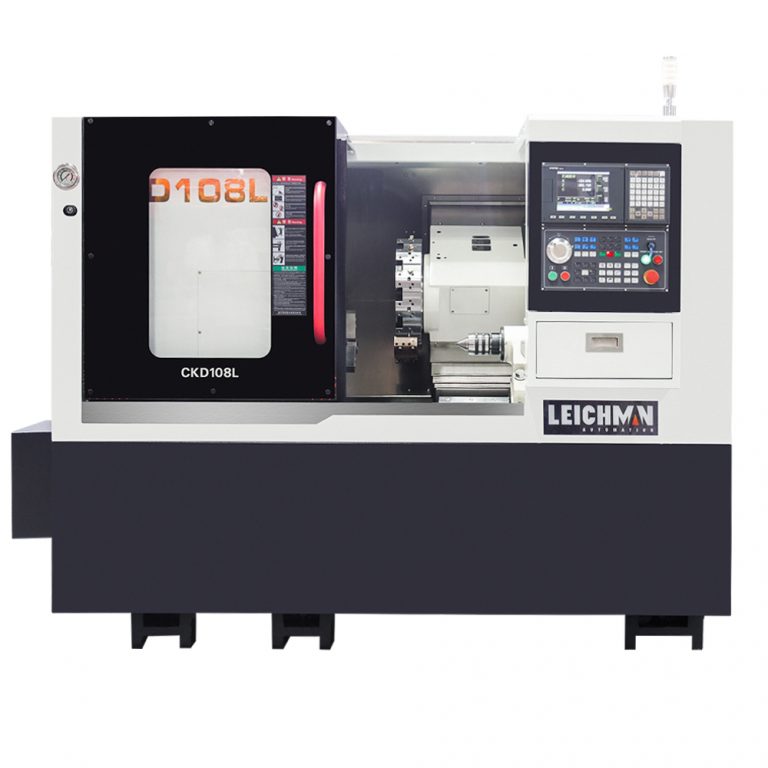
I’m sharing this from hands-on work and many late shifts—because I want you to skip the same mistakes I made. The question guides us. Let’s move on and look under the hood.
Part 2 — Technical Diagnosis: Why Classic Fixes Miss the Mark
live tool turret systems promised more flexibility, but many shops still suffer from short tool life and poor cycle time. I’ve seen live-tooling retrofit projects stall because controllers weren’t matched to the spindle or indexer. In plain terms: the servo motor, spindle tuning, and turret indexer must work as a unit. If one part lags, the whole cell stutters. (Look, it’s simpler than you think.)

Why do these flaws persist?
First, legacy assumptions: people treat a CNC turret like a plug-and-play box. It’s not. Second, hidden gaps in specs: shaft runout, coolant flow, and tooling clamping matter more than brand badges. Third, service and documentation—poor manuals and slow support—turn small faults into long downtime. I’ve learned to test for vibration, check runout with a dial indicator, and insist on clear spindle torque curves before signing the PO. These steps save hours, and real money.
Part 3 — Comparative Outlook: New Principles and Practical Choices
Looking forward, I favor two approaches: principled integration or case-led adoption. For principled integration, focus on control harmony—matching drive profiles, feedback loops, and spindle parameters. For case-led adoption, test a vertical workflow with a prototype cell. We’ve trialed setups from several vendors and found one clear lesson: vertical turret lathe manufacturers who offer tight integration and on-site tuning reduce ramp-up time by weeks. — funny how that works, right?
What’s Next for Buyers?
Compare vendors on real metrics, not glossy specs. Ask for measured cycle-time data on your parts, vibration logs, and a trial period with support included. I prefer short trials where we deliberate on tooling geometry and coolant strategy together. This gives a quick reality check and prevents costly full-line rollouts that fail. Also, don’t ignore training—operators and maintenance staff must be fluent with HMI prompts, turret offset settings, and tool offset tables.
Here are three practical metrics I recommend you evaluate before choosing a solution: 1) Mean time to stabilise (days to reach target quality), 2) Tooling cost per finished piece, and 3) Availability of on-site tuning/support response time. If a vendor can’t give honest numbers on these, walk away. I’ve stood by those metrics for years; they tell you more than glossy brochures ever will.
For further exploration, see vendors like vertical turret lathe manufacturers for comparative data. I hope my notes help you ask sharper questions and choose partners who work with you—not just sell to you. In closing, if you want a reliable partner that will help you tune process and tools together, consider checking Leichman: Leichman.