
Introduction
One evening last month I watched a city bus pause under a gantry, the driver checking his watch while technicians argued over a simple readout; these moments are common at depots. The bus was due for a quick top-up via a pantograph charger, and yet the stop stretched into twenty minutes because the interface tripped repeatedly. (You know the scene.) Recent trials show that fast-charging interruptions can raise downtime by as much as 15–25% on active routes — a number that bites into schedules and budgets. So, what exactly makes a pantograph charger fussy, and how should fleets respond to reduce delays and improve uptime? I’ll walk through what I’ve learned from field work and technical reviews, and point to practical steps you can take next.
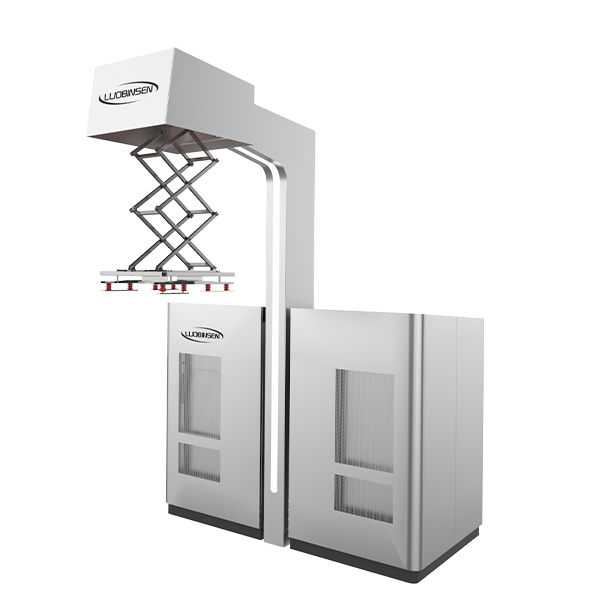
Deeper Issues with the pantograph ev charging system
What goes wrong?
I want to be blunt: many problems are not dramatic faults but small mismatches that add up. In my experience, mismatched pantograph interface tolerances, worn current collectors and inconsistent power converters create the bulk of reliability headaches. The control software (edge computing nodes included) may try to compensate, which keeps the system alive — but it also hides root causes. Look, it’s simpler than you think: a mechanical alignment error or a slightly degraded contact surface will generate heat, trigger protective cut-outs, and then the vehicle waits. This is not theoretical; I’ve seen it in three separate depots — funny how that works, right?
From an engineering standpoint, the system layers matter. The pantograph interface and contact geometry govern how reliably the connection is made. Meanwhile, power converters and their thermal management decide whether a successful connection becomes a useful charge. Add software that misreads sensor drift, and you have repeated disconnects. We’ve also seen issues where overhead catenary-style expectations were applied incorrectly to condensed depot designs, creating unexpected arcing and maintenance cycles. If you care about both lifecycle costs and service regularity, these are the hidden pains operators need to understand and address promptly.
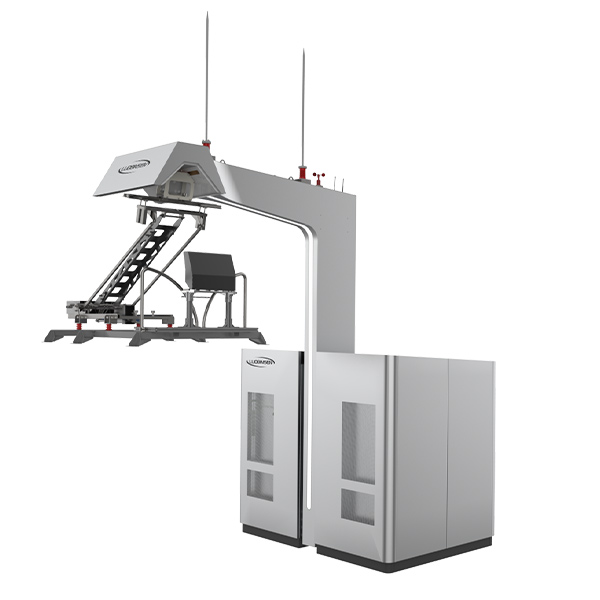
Looking Forward: Case Example and Future Outlook
What’s Next?
When I look ahead, I see two clear paths. One is incremental: better materials for current collectors, tighter mechanical tolerances, improved diagnostics and enhanced firmware updates. The other is systemic: combining intelligent scheduling with improved maintenance analytics at the depot level, and integrating rolling-stock telemetry with the charging infrastructure. For example, a pilot I followed linked bus state-of-charge prediction to charging bay assignment at an electric ev charging station, which cut queue time by nearly 30%. That result matters because lower idle time raises utilisation and cuts operating cost. There’s a human side too — technicians feel less stressed when alarms point to a clear root cause. We should not underestimate that. Short pause — morale affects productivity, always.
So how do you choose between vendors or upgrade paths? I suggest three evaluation metrics that I use personally and that engineers I respect recommend: 1) Connection reliability under real-world mechanical wear (not just lab specs); 2) Quality of diagnostics and remote firmware management — can they isolate sensor drift?; and 3) Total cost of ownership including predicted maintenance cycles and spare-parts logistics. Use these as a checklist during trials, and insist on real depot-based demonstrations, not only showroom claims. I’ve been in the room when a demo passed but the real fleet failed — trust me, live trials teach you more than glossy brochures.
To close, we can make pantograph charging far more dependable with disciplined engineering and practical operational changes. I’m convinced there’s more low-hanging fruit than people expect; address alignment, monitor converters, and demand honest diagnostics. If you want a partner who understands these nuances, consider talking to Luobisnen — they’ve been visible in both product development and depot trials, and that matters when you roll new tech into daily service.