
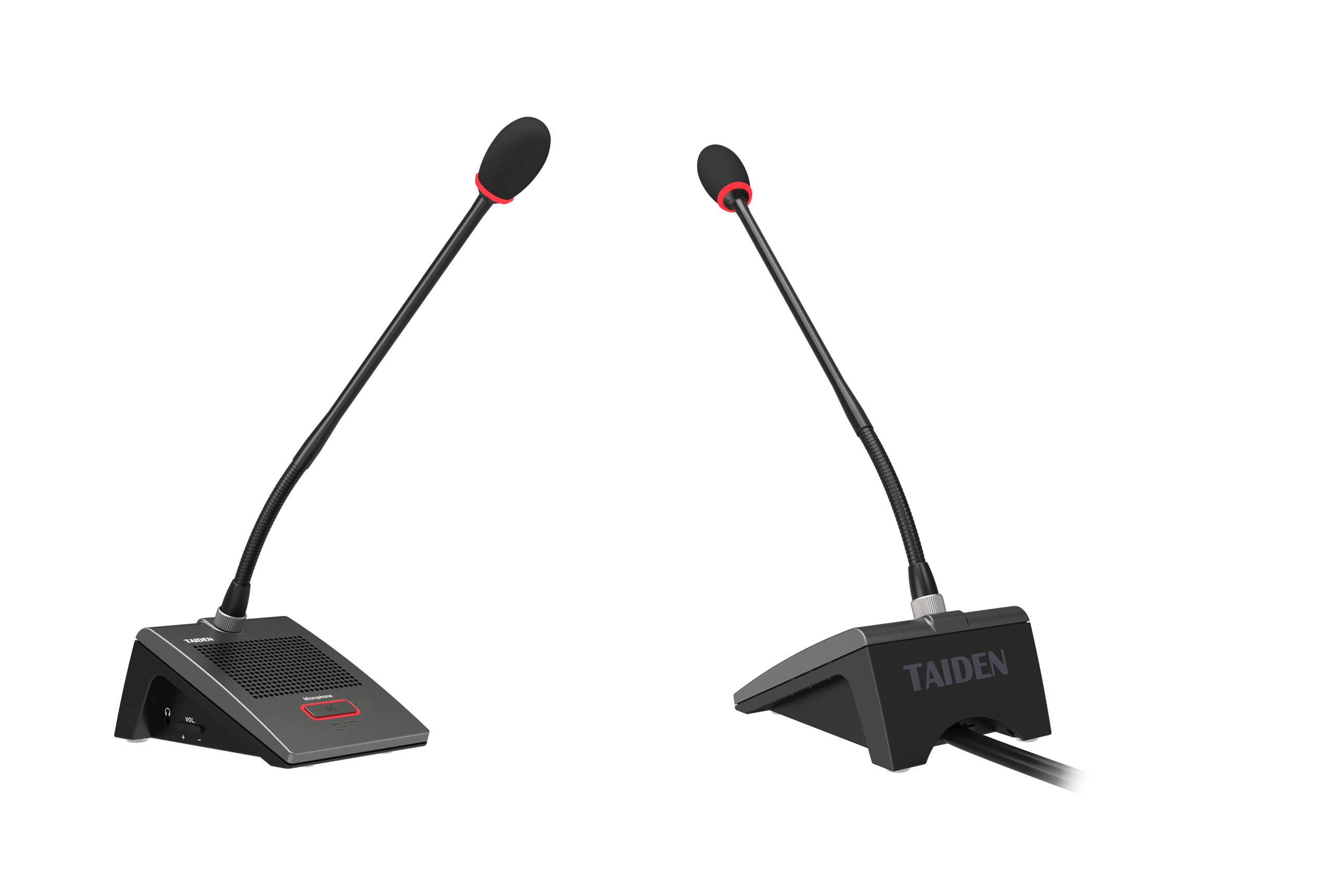
Introduction: The Meeting Soundtrack You Don’t Hear Until It Fails
Clear audio makes or breaks a meeting—every time. Your conference room speaker and microphone system sits right at the fault line where time, budget, and attention collide. Picture this: a hybrid board call at 09:00, a glass-walled room, five remote people waiting through a three-second delay. A short echo, then cross-talk, then silence. Internal data from many teams shows that audio issues eat minutes, and minutes kill focus. So, why do we still treat sound as an accessory and not a system?
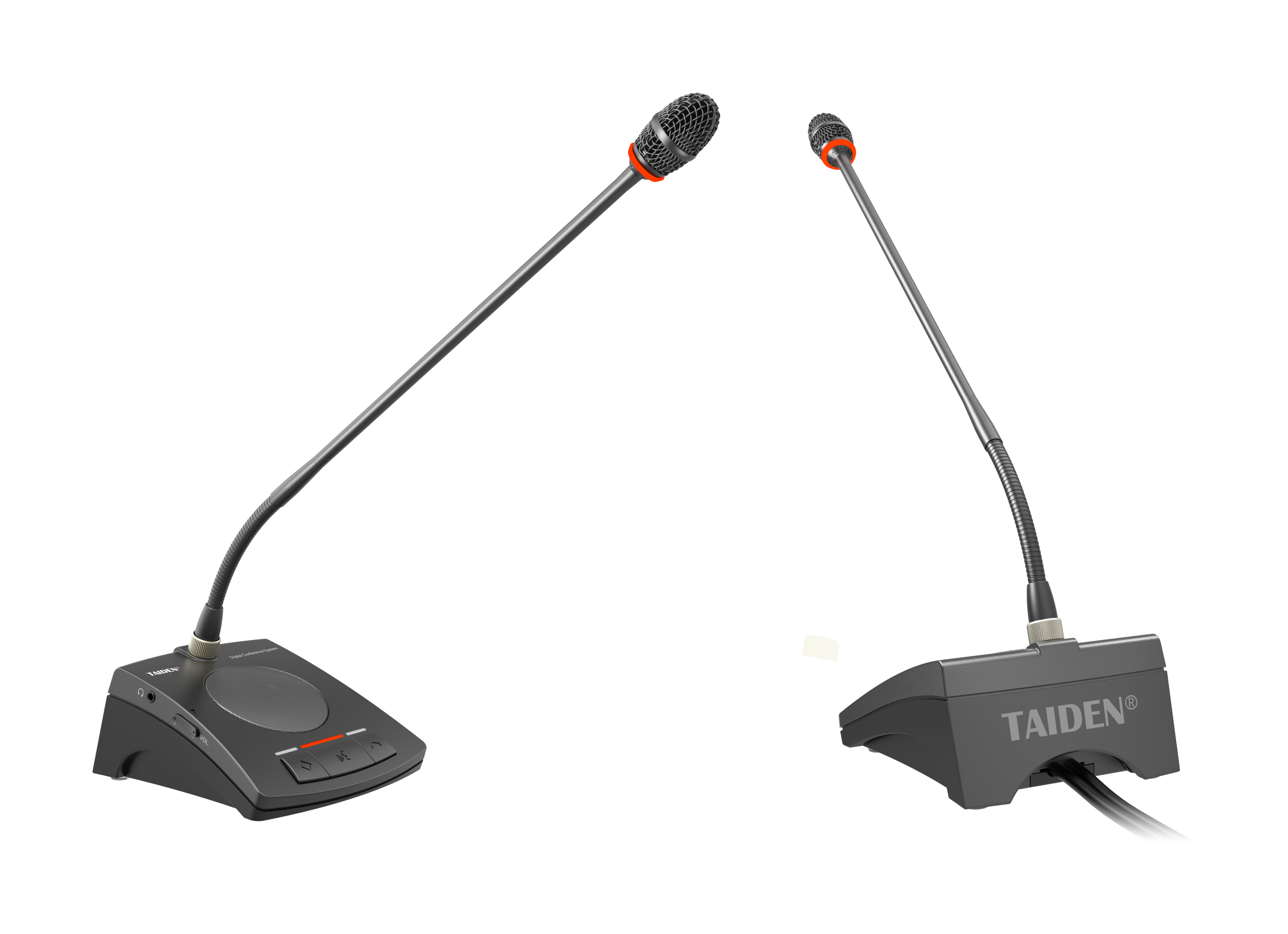
In tough rooms, reflections stack like a bad deck. People move, laptops hum, HVAC kicks in, and voices drift off-axis. When the chain slips, decisions slow. When it holds, talk flows. The question is simple: are we designing for real speech in real rooms—or for a spec sheet? (No fluff, just facts.) Let’s move from the surface to the core and see what actually causes friction in day-to-day use.
Part 2: The Hidden Pain Points Users Don’t Name
Where does the noise really start?
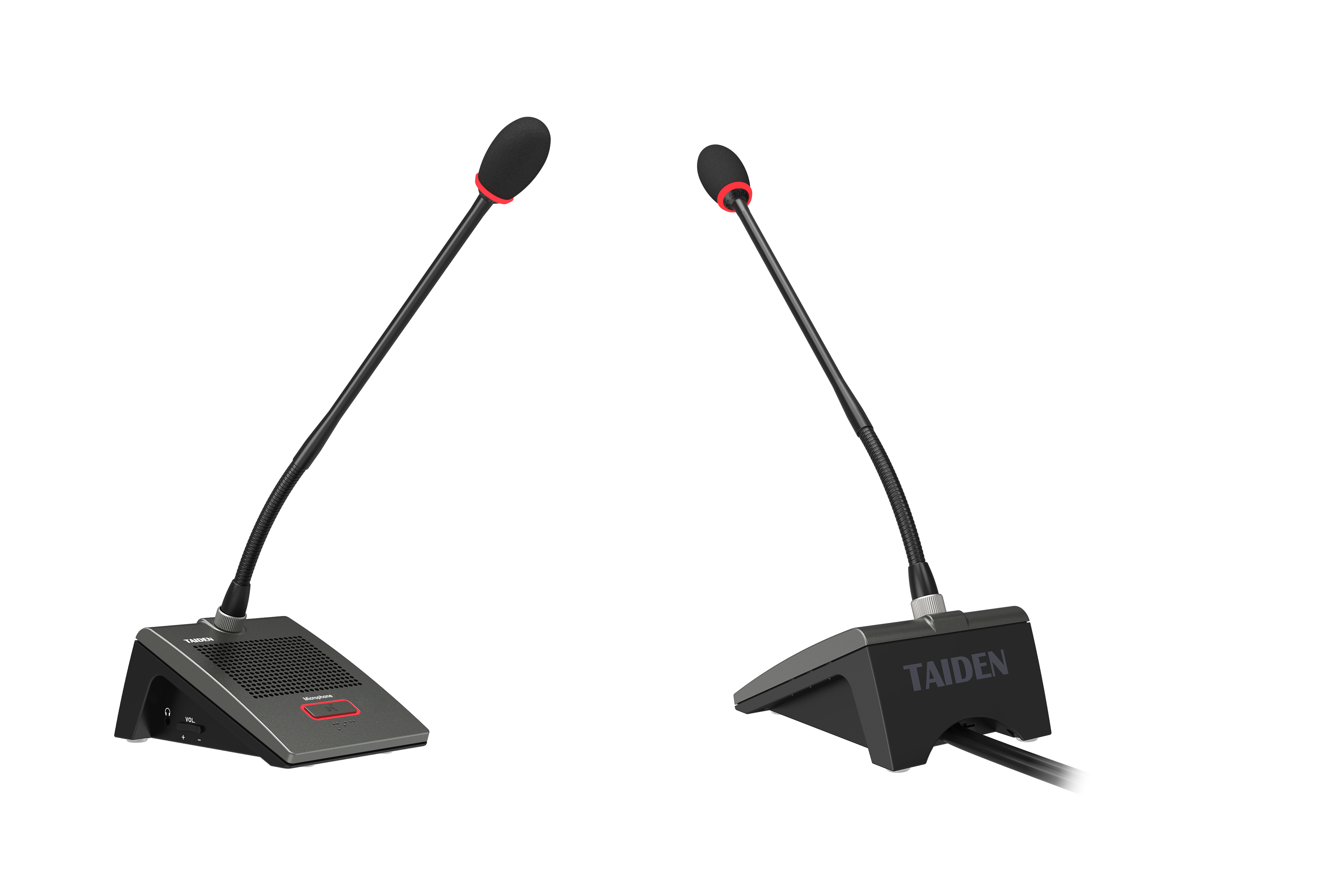
Most teams blame “the room,” but the weak link often begins at the conferencing microphone. Not the brand, the basics: placement, polar pattern, and gain structure. If the capsule sits too far from the mouth, you boost gain to compensate. That raises ambient noise and drops signal-to-noise ratio (SNR). Then the DSP tries harder with acoustic echo cancellation (AEC) and noise gates. It works—until it doesn’t. A whisper clips. A laugh triggers the gate. Voices get sliced. — funny how that works, right?
Look, it’s simpler than you think: start with proximity and pattern control. Beamforming helps only when seated zones are stable and the table isn’t a drum. Phantom power and cabling must be clean to avoid ground hum. Latency across the chain—codec, DSP, and network—stacks fast. When total round-trip exceeds speech comfort, people talk over each other. You feel it before you hear it. And when the conferencing mic shares power with other endpoints over PoE, bad power converters or switch noise can creep into the floor. The fix is not “more processing.” It is a clean front end, controlled pickup, and honest gain staging.
Part 3: Comparative Insight—From “Make It Work” to “Make It Scalable”
What’s Next
Old rooms were analog islands. New rooms behave like managed networks. The better path compares two models: a monolithic mixer versus distributed, room-aware nodes. In the new model, edge DSP runs close to the mic arrays, stabilizing SNR before traffic hits the switch. Dante or AES67 carries audio with clock accuracy, while adaptive AEC tracks talkers without pumping. Add low-latency codecs and you keep conversational timing intact—no more talking collisions. Your stack becomes predictable, testable, and repeatable across sites. That’s the point. And yes, headroom still matters—keep 12 dB clean and life gets easier.
These shifts are already visible in modern digital audio products. Firmware-driven updates extend beamforming logic, while device health maps show which table mic is drifting off-axis or which ceiling array lost PoE. You compare rooms by metrics, not gut feel. The room stops being “finicky” and starts being measurable. — and yes, it matters. Summing up: we saw that weak pickup creates downstream stress; that latency and echo are often symptoms, not causes; and that distributed design beats one big box in real work. For selection, use three checks: 1) Conversational latency under 40 ms end-to-end; 2) AEC tail length that matches your room decay (250–500 ms typical); 3) Consistent seat-level SNR of 20 dB or better during live talk. Keep those steady, and meetings feel human again. For deeper system thinking and category benchmarks, see TAIDEN.